


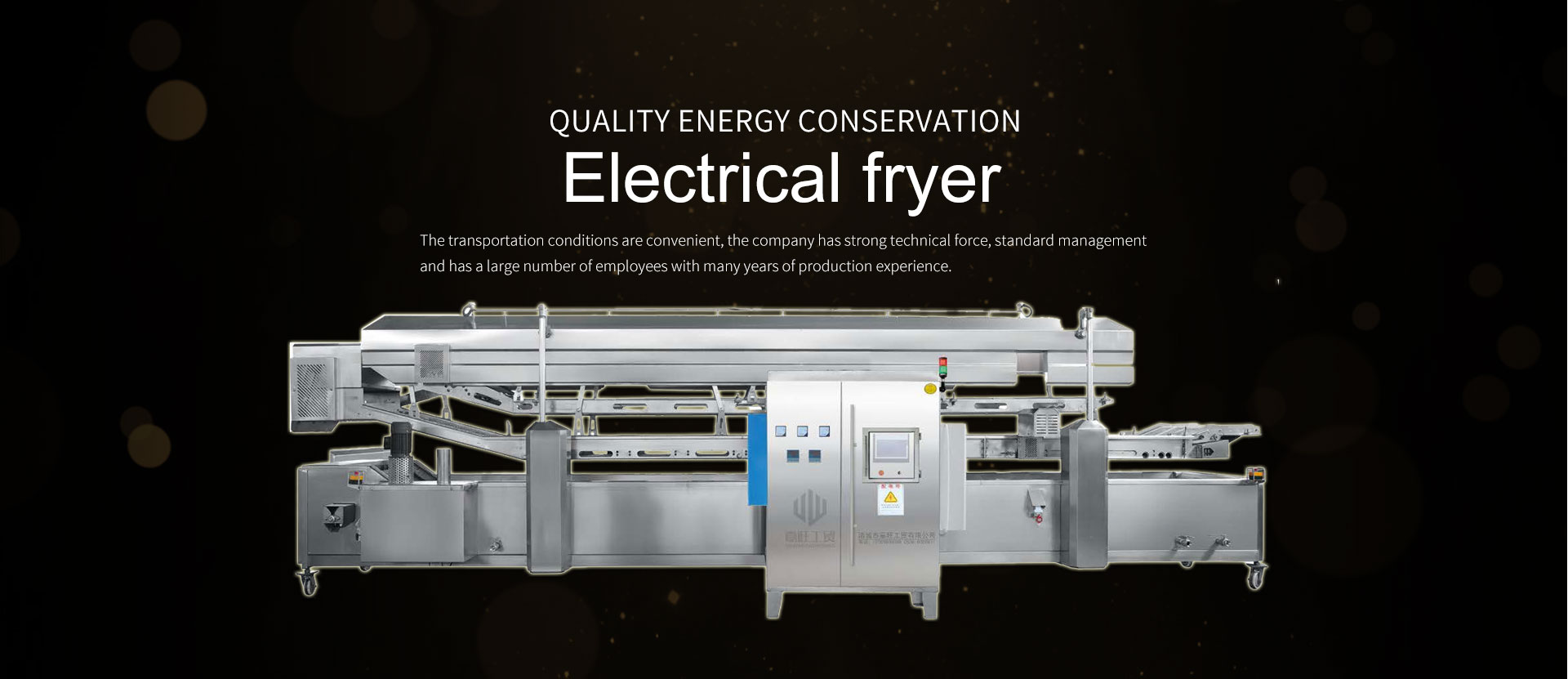
Can an automatic double spiral cooker handle frequent recipe changes?
An automatic double spiral cooker can handle frequent recipe changes, but only when its thermal operating range, conveyor controls, and cleaning arrangements match the products being scheduled. Switching between similar products with different cooking times is a different task from switching between products that require different humidity levels, heat-transfer conditions, or allergen controls. Recipe storage alone does not establish changeover capability.
The decisive measure is the interval between the last acceptable product from one recipe and the first acceptable product from the next. That interval includes clearing the conveyor, stabilizing the cooking environment, completing any required cleaning, and confirming product quality. A fast touchscreen recipe selection may save operator effort while leaving most of the actual changeover time unchanged.
Define what changes between recipes
Start with the intended product range rather than the machine’s recipe capacity. Changes in piece weight, thickness, starting temperature, moisture content, and belt loading can alter cooking requirements even when the chamber temperature remains unchanged. A larger product may need a longer residence time; a wetter formulation may change the chamber’s moisture load and the finished texture.
Group products by their processing requirements. Products sharing a similar temperature, humidity, and residence-time window offer the strongest case for frequent switching. A schedule that alternates between substantially different thermal conditions creates a more demanding test because the chamber and conveyor retain heat and moisture from the preceding run.
For bakery applications, distinguish cooking from surface finishing. Steam-dominant processing can support heating and moisture retention, but it does not establish that the equipment can deliver the dry-heat exposure needed for a particular crust or color. When comparing a spiral cooker with a Steaming and baking machine, establish the actual heating modes and moisture-control capabilities of each configuration. Equipment names are not proof of equivalent processing performance.
Check what the double spiral arrangement actually controls
“Double spiral” describes an arrangement, not a guarantee of two independent cooking processes. Request a conveyor-path drawing and control-zone diagram. Determine whether the spirals form one continuous path, use separate drives, occupy a shared chamber, or operate within independently controlled environments.
If both sections share one conveyor speed, changing residence time affects the entire path. If they share a cooking atmosphere, a humidity or temperature adjustment can affect products in both sections. Separate settings are useful only when the mechanical and thermal design allows them to produce meaningfully separate conditions.
Residence time follows the effective cooking-path length divided by belt speed. That relationship creates a capacity trade-off: slowing the belt increases exposure but reduces output at unchanged loading. Increasing belt loading to recover throughput can restrict circulation, change heat transfer, or exceed the validated loading pattern. The evaluation should therefore establish an acceptable speed-and-loading envelope for each product, not simply the drive’s minimum and maximum speeds.
Conveyor suitability also matters. Check product clearance, belt openings, transfer geometry, sticking behavior, and the risk of deformation during travel. A recipe may be thermally achievable yet unsuitable for the conveyor, particularly if dough expansion, soft fillings, or delicate surfaces change how the product behaves during cooking.
A saved recipe must include more than temperature and speed
A useful recipe system should capture the variables that materially determine the result. Depending on the installed equipment, these can include zone temperatures, conveyor speed, steam or moisture settings, fan operation, exhaust settings, and permitted loading conditions. Confirm which values are controlled automatically, which are only displayed, and which still require manual adjustment.
Recipe permissions and revision history help prevent an approved process from being overwritten during troubleshooting. Parameter limits can also prevent combinations that fall outside the established operating envelope. These functions support consistency, but they do not compensate for an unsuitable heating range or inadequate chamber control.
The most revealing control question is what happens to product already inside the cooker when a new recipe is selected. An immediate global speed change alters the remaining residence time of every item on the conveyor. A chamber setpoint change likewise affects both outgoing and incoming products during the transition. Ask whether the system supports controlled clearing, delayed parameter activation, or another defined transition sequence, and how affected product is identified.
Data logging should connect operating conditions with production records. Chamber temperature alone cannot demonstrate that the product reached its required internal condition or finished texture. Time-aligned records of belt speed, relevant chamber conditions, alarms, and product entry and exit provide a better basis for investigating changeover losses.
Thermal stabilization can dominate the changeover
Changing a setpoint is an instruction, not an instantaneous change in the cooking environment. Chamber walls, conveyor components, retained condensate, and the circulating atmosphere respond over time. Heating and cooling transitions need not take the same duration, especially where the system has limited means to remove stored heat.
The stabilization criterion should therefore be explicit. A display reaching its target temperature is insufficient if other zones remain outside limits or the first products show unacceptable moisture, color, or internal temperature. Establish acceptance conditions for both the equipment and the product.
Test with realistic loading. An empty chamber does not reproduce the heat demand or moisture contribution of a loaded conveyor. Where applicable, verify that steam supply, electrical capacity, ventilation, and condensate drainage support the most demanding transition without destabilizing the process.
Production sequencing can reduce disruption when compatible products are grouped together. However, sequencing must respect validated food-safety and allergen controls. A thermally convenient order is not necessarily an acceptable hygiene order.
Cleaning access determines which recipe changes are practical
Some changes require only conveyor clearance and parameter adjustment. Others require residue removal, allergen cleaning, or a more extensive sanitation cycle. Frequent switching between these categories should not be treated as one changeover requirement.
Inspect access to belt surfaces, the underside of the conveyor, guides, transfer points, drip areas, and chamber corners. Determine whether inspection and cleaning require tools, component removal, or substantial maintenance intervention. Compact equipment can save floor space while making specific cleaning tasks more difficult.
If automated washing is offered, verify its coverage and limits. A programmed cycle does not prove effective removal of every soil or allergen. The cleaning method must suit the actual formulation, and its effectiveness must be validated. Include draining, reassembly, inspection, and reheating in the changeover measurement; wash-cycle duration alone understates the production interruption.
Use transition trials to establish the operating envelope
A steady-state demonstration shows that the machine can process a product under settled conditions. It does not show that frequent switching is reliable. Acceptance trials should include consecutive recipes and the transitions most likely to expose limitations.
- Similar products with different residence times: assess conveyor-speed changes, product clearance, and recovery of acceptable output.
- Contrasting thermal requirements: assess both heating and cooling transitions, including moisture control where relevant.
- Different loading conditions: assess whether changes in piece size, spacing, or throughput disturb cooking uniformity.
- A cleaning-dependent change: measure the full cleaning-to-restart interval using the required sanitation procedure.
Agree on acceptance criteria before the trial. These should cover product-specific attributes such as internal temperature where relevant, texture, moisture, color, integrity, and variation across the belt. Record transition time, rejected or segregated product, manual interventions, and output after stabilization. Repeat critical transitions to establish whether performance is reproducible rather than relying on one successful run.
The selection boundary is practical: the cooker should cover the required product range and complete representative transitions within the permitted downtime and waste limits. Where long residence times, incompatible heating modes, or substantial cleaning requirements consume much of a short production run, automation cannot remove that constraint. In that situation, longer campaign runs or separate processing capacity may fit the schedule better than a single highly automated system.
Online Consultation