

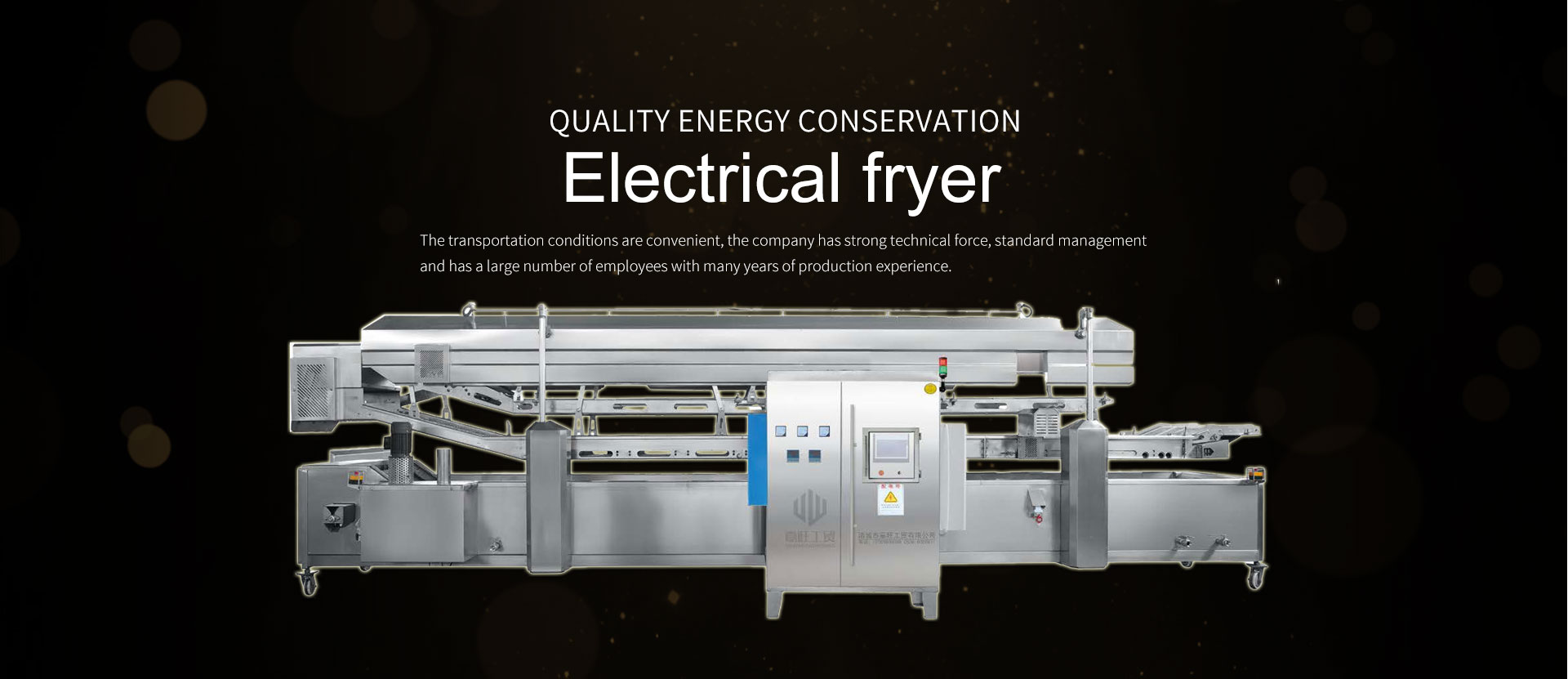
What Makes an Electrical Fryer Supplier Reliable for Long-Term Projects?
Choosing an electrical fryer supplier for a long-term baking equipment project is rarely just a purchasing decision. It affects installation timing, line stability, maintenance planning, and future expansion. A reliable partner is not only expected to deliver a fryer that works, but also to support the wider production system with consistent engineering, documentation, and service.
Reliability starts before the equipment arrives
In baking and thermal processing lines, delays often come from poor coordination rather than obvious product failure. An experienced electrical fryer supplier usually shows reliability early, through clear drawings, realistic lead times, and practical answers about utilities, footprint, and output matching.
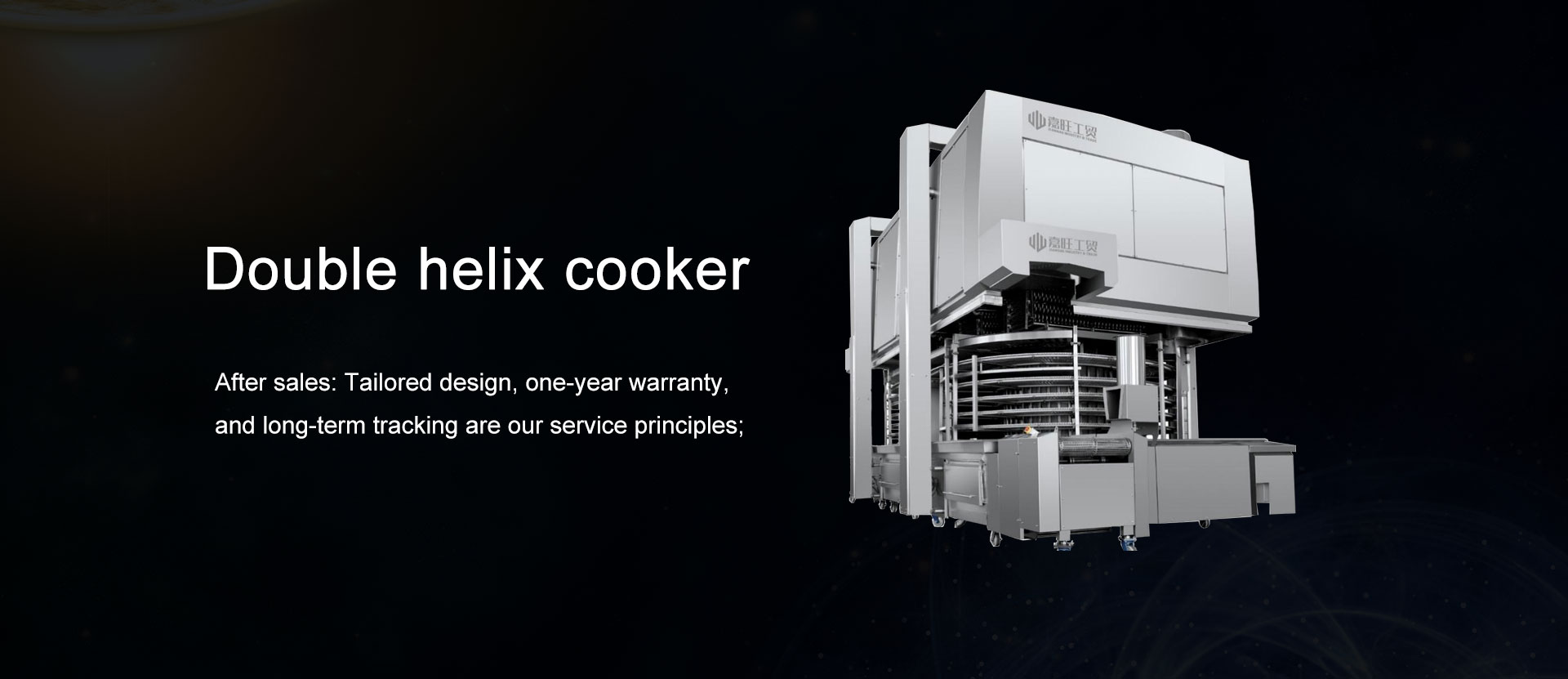
This matters even more when the fryer is part of a broader setup that may include an oil fryer, oil tank, steam tunnel machine, double helix cooker, steaming and baking machine, or steam cabinet. The supplier must understand how one machine affects the next.
What long-term projects usually require
A dependable electrical fryer supplier should be able to support more than initial commissioning. Long projects often need repeat orders, layout updates, spare parts continuity, and process adjustments after production begins.
- Stable component sourcing for heaters, controls, pumps, and sensors
- Technical files that help site teams install and troubleshoot correctly
- Capacity planning that fits both pilot production and later scale-up
- Service support that remains available after handover
Without these basics, even a well-built machine can become expensive to operate over time.
Key signs of a reliable electrical fryer supplier
Technical compatibility
The fryer should match the product type, oil circulation logic, heating control, and downstream handling requirements. A capable electrical fryer supplier asks detailed questions about throughput, product moisture, frying profile, cleaning cycle, and plant utilities.
Delivery discipline
Reliable delivery is not only about shipping on time. It includes phased manufacturing updates, inspection coordination, packing standards, and complete accessory supply. Missing cables, valves, or manuals can slow a project as much as a late machine.
Service depth
After-sales support should cover start-up guidance, spare part identification, fault response, and preventive maintenance advice. For oil-based systems, suppliers that also understand related equipment such as an Oil filter often provide more practical support for line efficiency and oil quality management.
Why the market pays closer attention now
Baking equipment projects are under pressure to reduce downtime, control energy use, and maintain product consistency across longer production runs. That has made supplier reliability more visible in daily operations.
An electrical fryer supplier is now judged by how well the equipment performs after months of use, not only during factory acceptance. Cleanability, oil management, control accuracy, and spare part access have become stronger decision points.
A practical way to compare suppliers
A simple comparison framework helps separate polished sales claims from real execution ability.
What to clarify before moving forward
Before selecting an electrical fryer supplier, it helps to define the project in operational terms. Desired output, product range, utility limits, cleaning expectations, and expansion plans should be documented early.
It is also useful to ask how the supplier supports related oil management equipment, including filtration and storage. That discussion often reveals whether the supplier is thinking about long-term plant performance or only the main machine shipment.
A sound next step is to compare suppliers against real project conditions, not generic brochures. That usually leads to better decisions, fewer installation surprises, and a baking line that remains easier to run over time.
Online Consultation