


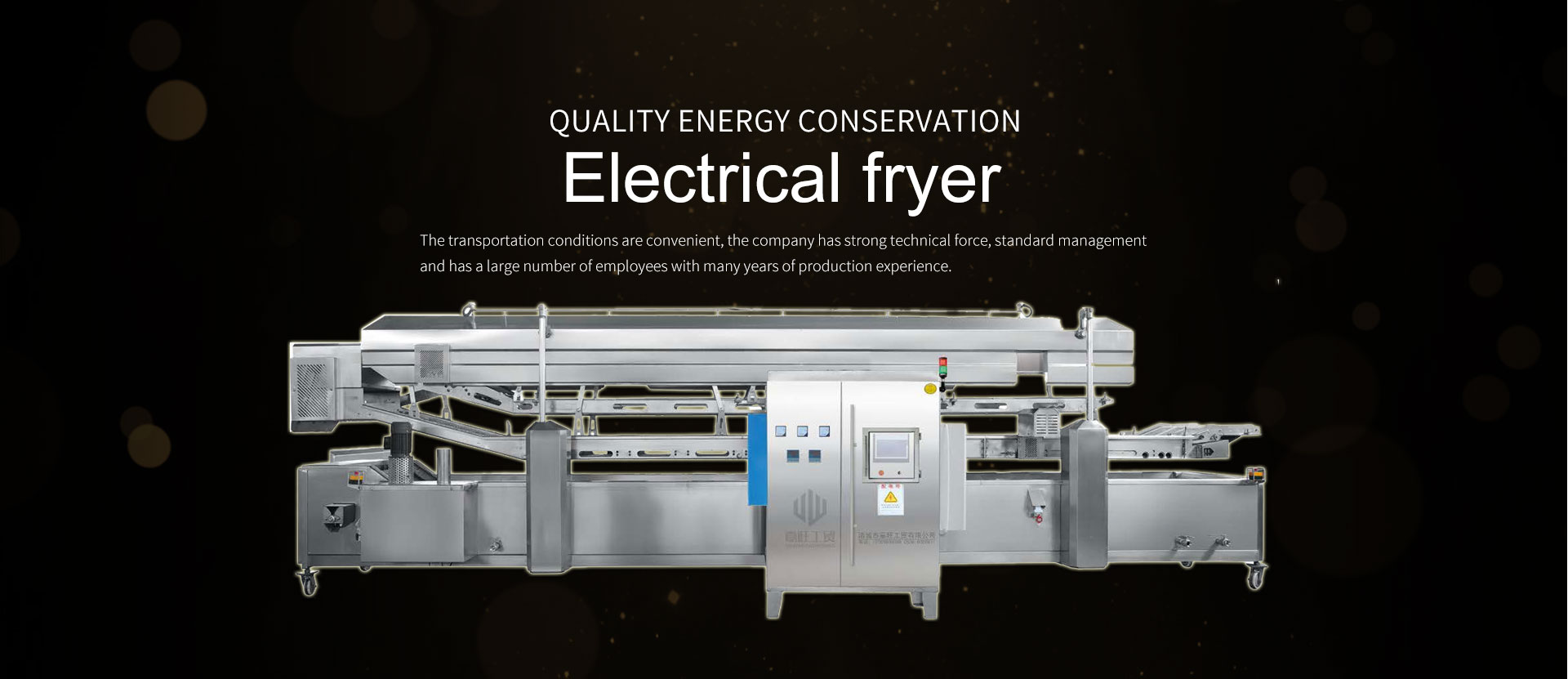
When does a double spiral cooker suit a space-limited food plant?
A double spiral cooker can suit a space-limited food plant when the required cooking time would make a straight conveyor impractically long. For project managers planning a bakery expansion or thermal-processing upgrade, however, a compact equipment footprint is only the starting point. Ceiling height, product stability, utility capacity, sanitation access, and connections to the existing line determine whether the installation will actually work.
The strongest case is not simply “we have little floor space.” It is “we need sustained, continuous cooking, and we have usable vertical space without sacrificing access or process control.” That distinction can prevent a promising layout from becoming a difficult production asset.
Start with the cooking duty, not the available corner
Before assessing layouts, define what the cooker must achieve. A filled dough product requiring controlled steam treatment presents a different challenge from a product that needs dry heat, surface browning, or frying. Equipment names alone do not establish process capability: confirm the proposed heating method, temperature range, humidity control, and conveyor arrangement with the supplier.
A double-spiral configuration typically uses two spiral conveyor sections to accommodate a long product path within a relatively compact area. The exact path, transfer arrangement, and inlet and outlet elevations vary by design. Do not assume that every double helix cooker offers the same product handling or thermal performance.
For bakery applications, distinguish cooking from finishing. Steam may support moist cooking or setting, but it does not automatically produce the crust, color, or texture associated with baking. If a product requires both stages, evaluate whether a steaming and baking machine, or separate cooking and finishing equipment, better matches the recipe.
A practical fit exists when residence time is substantial, production is continuous, and the product can travel reliably through the proposed conveyor path. If any of those conditions is uncertain, product trials should precede a purchase decision.
Translate throughput into conveyor requirements
Rated capacity is useful only when its assumptions match your products. Ask whether the quoted throughput depends on a particular product size, loading pattern, cooking duration, or belt coverage. A machine that meets the target with closely packed, uniform pieces may fall short when delicate bakery products need generous spacing.
The basic relationship is straightforward: required heated conveyor length equals belt speed multiplied by residence time. Throughput then depends on usable belt width and product loading density. These variables must be considered together; increasing belt speed raises output only if the shorter cooking time still delivers the required result.
- Define the operating range: include normal production, peak demand, and likely future product sizes.
- Establish spacing: allow for expansion, sticking risk, and circulation of the heating medium.
- Check the limiting recipe: the slowest-cooking product may determine capacity for the whole line.
- Allow for interruptions: loading gaps and upstream stoppages affect saleable output, even when nominal capacity looks sufficient.
Request thermal and handling trials with representative products, including the most difficult recipe. Depending on the product, acceptance criteria may include core temperature, moisture change, texture, shape retention, and validated food-safety outcomes. Chamber temperature alone cannot demonstrate that every piece has received the required treatment.
Measure the installed envelope of a double spiral cooker
The equipment outline on a drawing is not the space it needs in service. Include access doors, belt maintenance areas, motor removal, cleaning routes, utility connections, and space for operators. An arrangement that fits tightly between walls can become expensive if routine repairs require dismantling neighboring equipment.
Vertical clearance deserves the same attention as floor area. Check overhead beams, ducts, sprinkler systems, pipework, and any lifting clearance required for maintenance. Confirm structural loads and anchoring requirements with the equipment supplier and the plant’s structural engineer.
Walk the proposed layout with maintenance and sanitation staff before approving it. Their questions often reveal constraints that are easy to miss on a general arrangement drawing.
Product handling can overturn the space-saving argument
Spiral conveying introduces curves, tier clearances, and potentially transfers between conveyor sections. Soft dough, sticky surfaces, fragile coatings, or unstable shapes may need special belt selection and loading control. Check whether products shift, touch, deform, or leave residue under realistic conditions—not just during a short demonstration with easy-to-handle samples.
Where the line includes batter coating equipment, evaluate the handoff carefully. Wet coating can transfer to the belt or adjacent products, while an unsuitable transfer can disturb coverage. Confirm whether the coated product is intended for the proposed cooking process or needs a frying or setting stage first.
Upstream and downstream behavior matters just as much. A fryer, steam tunnel, cooling conveyor, or packaging line may run at a different rate or stop more frequently. Define what happens to product inside the cooker during a downstream stoppage. Continued heating can create overprocessed product, while simply stopping the belt may not be an acceptable process response.
Utilities and hygiene are part of the footprint
A small machine envelope does not guarantee a small infrastructure requirement. For a steam-based configuration, assess steam supply at the required operating conditions, condensate handling, exhaust, and water quality. For electrically heated equipment, check available electrical capacity and distribution. Utility demand should cover startup and realistic peak operation, not only steady-state averages.
In an existing bakery, added heat and moisture can affect nearby processes and working conditions. Review ventilation and condensation control, particularly where cooked product exits the enclosure. Positioning the cooker close to packing may shorten transfers, but it must not undermine hygienic zoning or expose finished product to condensate.
Cleaning also needs a realistic production window. Ask the supplier to explain access to belts, supports, drains, and concealed surfaces. If automated cleaning is offered, clarify coverage, manual tasks, chemical compatibility, and verification requirements. A cleaning-system label is not proof that every product residue will be removed.
When another configuration is the better decision
A double spiral cooker is less compelling when cooking time is short, ceiling clearance is restricted, or product handling requires a simple, accessible conveyor path. A straight steam tunnel may occupy more floor length but offer easier inspection and integration. For smaller batches or frequent recipe changes, a steam cabinet may provide more appropriate flexibility, although batch handling changes the labor and production model.
Compare alternatives on installed cost and operating consequences, not purchase price alone. Include ventilation, drainage, structural work, conveyor modifications, cleaning time, maintenance access, and expected changeover losses. The best space-saving option is the one that preserves usable production capacity over its working life.
Set clear approval gates before committing
For project approval, require four pieces of evidence: a confirmed process specification, representative product-trial results, an installation layout with service clearances, and a utilities-and-sanitation review. Add a documented response to line stoppages and an agreed acceptance test using your products and target operating conditions.
A double spiral cooker becomes a sound choice when long residence time and continuous output justify vertical conveying—and the plant can support it without compromising maintenance, hygiene, or product quality. If those conditions are demonstrated rather than assumed, the compact layout offers a credible route to expansion within an existing building.
Online Consultation