

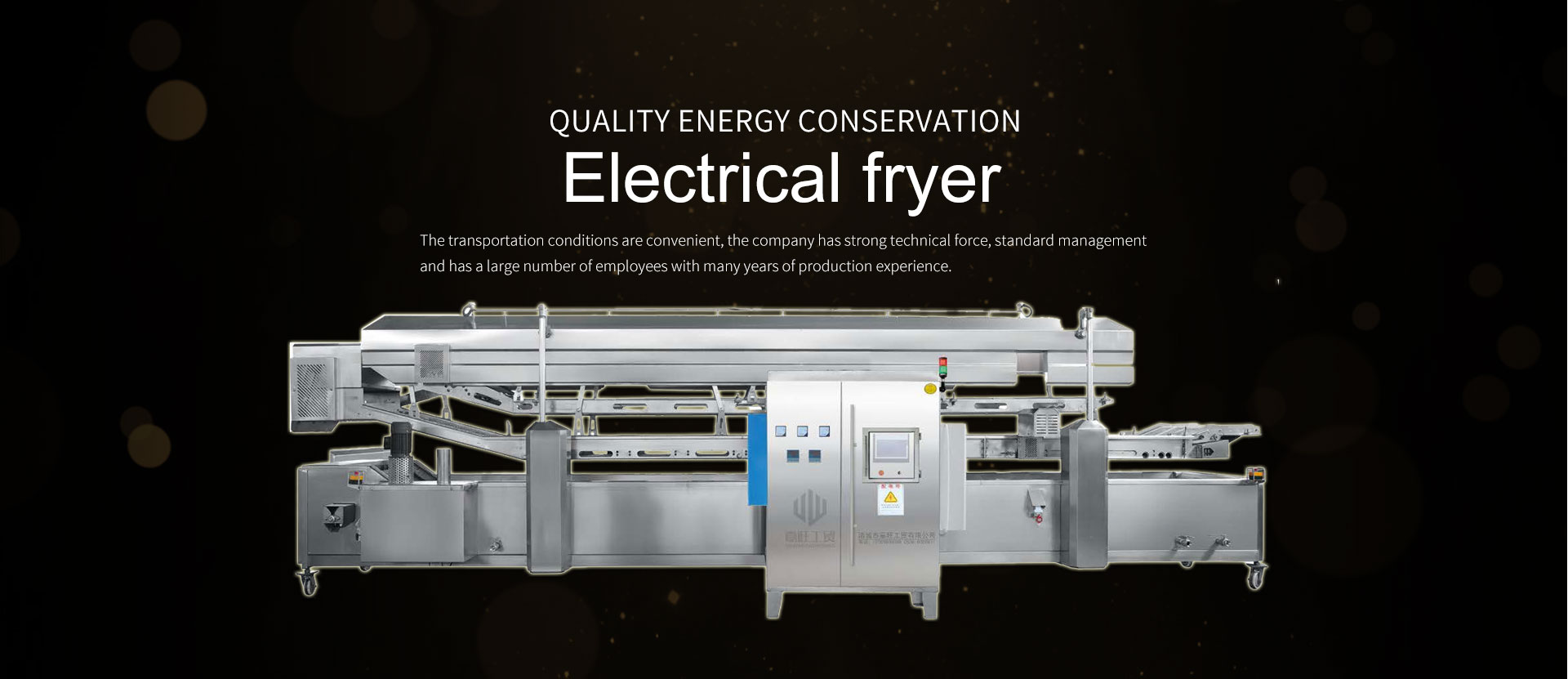
Electrical fryer not heating evenly? Common causes to check
If your electrical fryer is not heating evenly, the cause is often not just “weak heating.” In most cases, uneven heat comes from a small group of practical issues: faulty heating elements, poor oil circulation, incorrect loading, thermostat or sensor deviation, power supply problems, or maintenance buildup. For operators, this means inconsistent color and texture. For quality and safety teams, it can mean unstable cooking results and higher food safety risk. For buyers and decision-makers, it can signal higher operating costs, more downtime, and the need to evaluate whether repair or replacement makes better business sense.
In this article, we’ll look at the most common causes behind uneven heating in an electrical fryer, how to check them, and how different teams—from operators to procurement managers—can make better maintenance, troubleshooting, and purchasing decisions.
What uneven heating usually looks like in real production
Before checking components, it helps to define the symptom clearly. “Not heating evenly” can mean several different things:
- Food on one side fries faster than the other
- Oil temperature drops too much after loading product
- Recovery time is too slow between batches
- Top layers and bottom layers cook differently
- Color varies from batch to batch under the same settings
- The displayed temperature does not match actual frying performance
This distinction matters because uneven heating is not always caused by a failed heater. Sometimes the fryer is technically heating, but the heat is not being transferred, distributed, controlled, or retained properly.
Check the heating elements first
One of the most common reasons an electrical fryer heats unevenly is partial heating element failure. In many systems, multiple elements share the heating load. If one element burns out, weakens, or cycles incorrectly, the fryer may still operate, but heat distribution becomes uneven.
What to look for:
- Longer-than-normal preheating time
- One zone of the oil tank staying cooler
- Visible damage, scaling, or carbonized buildup on elements
- Uneven amperage draw across heating circuits
For technical teams, using a multimeter or current clamp can help confirm whether each element is drawing power as expected. For non-technical users, a repeated pattern of slow recovery or one-sided frying is often enough to justify an inspection.
Verify thermostat and temperature sensor accuracy
If the fryer’s control system is reading temperature incorrectly, the unit may stop heating too early, overheat one cycle, or fail to maintain a stable setpoint. This is especially common in older equipment, heavily used fryers, or units that have not been calibrated regularly.
Common issues include:
- Sensor drift over time
- Loose sensor placement
- Poor contact between sensor and measuring point
- Controller calibration errors
- Damaged wiring between sensor and control panel
A practical check is to compare the displayed temperature with an independent calibrated thermometer measured at different points in the oil. If there is a meaningful gap, the issue may be control-related rather than heater-related.
For quality control and safety managers, this step is critical. Inaccurate temperature control can affect not only product appearance, but also cooking consistency and food safety validation.
Look at oil level, oil condition, and circulation behavior
Heat in an electrical fryer is carried through the oil, so even a functioning heating system can perform poorly if the oil itself is part of the problem.
Check the following:
- Oil level too low, exposing heaters or reducing heat transfer
- Oil degraded by oxidation, contamination, or excessive crumbs
- Blocked circulation paths in systems with assisted movement
- Cold spots caused by poor tank design or sediment buildup
Old or contaminated oil tends to transfer heat less effectively and may create localized overheating or underheating. Excess debris can also interfere with thermal flow and lead to unstable results.
In high-throughput food lines, upstream processing also matters. For example, if products enter the fryer with inconsistent coating thickness, moisture level, or loading density, frying performance may look like a fryer problem when it is actually a process consistency issue. In some integrated lines, equipment such as batter coating equipment can influence how evenly product behaves once it reaches the fryer.
Do not overlook loading practices and basket arrangement
Many uneven heating complaints are caused by operation, not equipment failure. Overloading the fryer, placing product unevenly, or introducing product too quickly can create temporary but repeated cold zones.
Typical operator-related causes:
- Batch size exceeds fryer recovery capacity
- Product is concentrated on one side of the basket
- Frozen product is loaded without spacing
- Successive batches are loaded too quickly
- Different product sizes are mixed in one cycle
For operators and supervisors, one simple test is to run a controlled batch with reduced load and uniform placement. If heat performance improves significantly, the fryer may be undersized for the production pattern, or the loading method may need adjustment.
This is also valuable for procurement teams. If a fryer only performs well under light loads, its real production capacity may not match the supplier’s nominal specification.
Inspect power supply and electrical connections
Electrical fryers depend on stable voltage and proper phase balance. If the power supply is inconsistent, heating output may drop or become uneven across circuits.
Things to check include:
- Voltage drop during peak operation
- Loose terminals or overheated connectors
- Single-phase issues in three-phase systems
- Damaged contactors, relays, or solid-state switching components
- Undersized wiring causing heat loss and unstable performance
In commercial kitchens and industrial plants, this issue is often missed because the fryer still powers on. But “power on” does not mean “full heating output.” A qualified electrician or service technician should confirm whether the unit is receiving and distributing power correctly.
Check for carbon buildup, scale, and poor cleaning routines
Residue buildup acts as insulation. When heating surfaces are coated with burnt crumbs, carbon, or mineral deposits, heat transfer efficiency drops. The fryer may consume normal power but deliver inconsistent frying results.
Warning signs include:
- Dark residue on heaters or tank surfaces
- More smoke or burnt odor than usual
- Oil breaking down faster than expected
- Performance declining gradually instead of suddenly
Routine cleaning is not just a hygiene issue. It directly affects heating uniformity, oil life, and energy use. For plant managers and owners, this means maintenance discipline has measurable cost impact, not just housekeeping value.
Evaluate whether the fryer is correctly matched to the application
Sometimes the fryer is not malfunctioning; it is simply the wrong fit for the product, throughput, or duty cycle. This is especially relevant for buyers, project managers, and business decision-makers reviewing repeated heating complaints.
Ask these questions:
- Is the fryer designed for continuous or batch operation?
- Does its heating capacity match actual production demand?
- Is the tank geometry suitable for the product type?
- Is the control system precise enough for your quality requirements?
- Is the fryer integrated properly with upstream and downstream equipment?
If your production line includes coating, steaming, or pre-cooking stages, process compatibility matters. Uneven fryer performance can be a system-level issue rather than a standalone machine issue. In line planning, matching the fryer with feeding and preparation equipment—including, where relevant, batter coating equipment—can improve consistency across the full cooking process.
When to repair, when to upgrade, and when to replace
For technical evaluators and procurement teams, the key question is not only what is wrong, but what action makes economic sense.
Repair is usually reasonable when:
- The issue is limited to sensors, wiring, contactors, or one heating element
- The fryer structure is still sound
- Spare parts are available quickly
- Downtime cost is manageable
Upgrade or replacement should be considered when:
- Uneven heating is frequent even after servicing
- Temperature control is outdated or unstable
- Energy consumption is too high for output
- Cleaning and maintenance are too labor-intensive
- Production demand has outgrown the current machine
- Food quality complaints are affecting business performance
For decision-makers, the real comparison is not repair cost versus replacement price alone. It is total cost of ownership: product waste, oil consumption, labor time, downtime risk, consistency, and customer satisfaction.
A practical inspection checklist for uneven heating
If you need a fast, structured review, use this sequence:
- Confirm the symptom: side-to-side, batch-to-batch, or slow recovery
- Check actual oil temperature with an independent thermometer
- Inspect heating elements for failure or buildup
- Verify sensor calibration and controller response
- Check oil level, oil age, and debris accumulation
- Review batch size and product loading pattern
- Test voltage, current draw, and electrical connections
- Assess whether fryer capacity matches production demand
This approach helps teams isolate whether the root cause is mechanical, electrical, operational, or process-related.
Conclusion
An electrical fryer that does not heat evenly is usually pointing to a specific, diagnosable issue—not just random fluctuation. The most common causes are heating element problems, thermostat or sensor inaccuracy, poor oil condition, improper loading, electrical supply faults, maintenance buildup, or capacity mismatch.
For operators, early checks can prevent quality loss and unnecessary downtime. For technical teams, structured diagnosis reduces guesswork. For buyers and managers, repeated uneven heating is a useful signal when evaluating equipment reliability, operating cost, and whether the current fryer still fits the application.
The best decision starts with the right diagnosis. If you identify the real cause early, you can often improve frying consistency, reduce waste, and protect both product quality and long-term equipment value.
Online Consultation