

Oil Fryer vs Electric Fryer: Which Cuts Operating Costs in 2026?
Oil Fryer vs Electric Fryer: the 2026 Cost Question in Baking Equipment
In 2026, fryer selection affects far more than output speed.
For baking equipment operations, the real issue is operating cost over time.
An Oil fryer can lower total expense in some production settings.
In other settings, an electric fryer may reduce utility and service overhead.
The best choice depends on production rhythm, oil management, batch size, and heat demand.
This guide compares both systems through practical baking-related use cases.
When the Production Scene Changes, Cost Logic Changes Too
A fryer used for donuts has different pressure points than one used for snacks or coated bakery items.
That is why operating cost should be judged by scene, not by sticker price alone.
An Oil fryer often performs better where long runs and stable oil temperature matter most.
Electric fryers often fit compact lines, lighter output, and sites with strict ventilation limits.
Energy tariffs, downtime risk, and oil replacement frequency now influence ROI more than before.
Key cost drivers to compare in 2026
- Energy source price and peak-hour billing
- Heat recovery time between batches
- Oil degradation speed and filtration quality
- Cleaning labor and maintenance intervals
- Production consistency and scrap reduction
Scene 1: Continuous Donut and Fried Bakery Lines
This is the strongest case for an Oil fryer.
Continuous production needs fast thermal recovery and even heat distribution across long operating hours.
When the fryer runs all shift, fuel-based heating can deliver stable output at a lower unit cost.
That advantage grows when local electricity prices are high or demand charges apply.
A well-designed Oil fryer can also support better oil turnover and surface color consistency.
That reduces waste from undercooked centers or dark finished products.
What matters most in this scene
- Long production hours per day
- Large batch sizes with few stops
- High sensitivity to oil temperature drop
- Need for lower cost per finished unit
Scene 2: Small-Batch Bakery Shops or Flexible Test Lines
Electric fryers become more attractive when output is limited and recipes change often.
These lines usually stop and start many times during the day.
In this pattern, the energy advantage of an Oil fryer may shrink.
Electric systems can be easier to install, easier to control, and simpler to clean in smaller spaces.
They may also reduce combustion-related infrastructure costs.
For facilities balancing baking, steaming, and frying in one room, compact equipment matters.
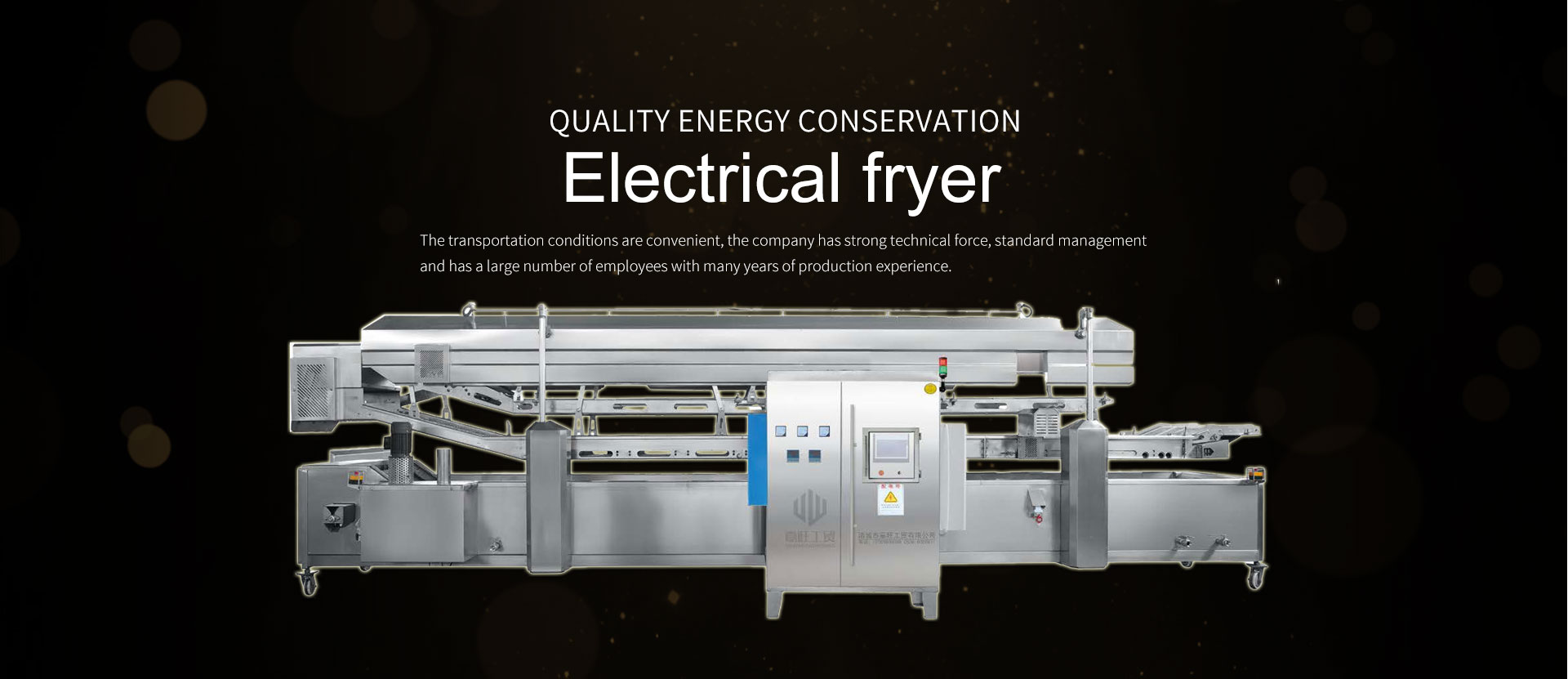
In mixed-process layouts, Electrical fryer solutions can fit workflow planning more smoothly.
Scene 3: Operations Focused on Oil Quality and Shelf Life
For many bakery products, oil cost is larger than expected.
If oil breaks down too quickly, total operating cost rises regardless of the heating method.
An Oil fryer paired with filtration and controlled tank design can preserve oil quality longer.
That is important for crumbs, sugar particles, and fine batter residue.
Operations already using oil filters, oil tanks, or linked frying systems may gain more from this setup.
The savings appear in lower refill frequency and fewer product defects.
Scene 4: Facilities Limited by Utilities, Safety, or Layout
Some sites are shaped by building restrictions rather than by process ideal.
If gas access is limited, electric models may prevent extra installation spending.
If ventilation systems are already upgraded, an Oil fryer may still provide lower long-run cost.
The correct decision comes from full-site costing, not from the fryer alone.
Include exhaust, training, cleaning tools, spare parts, and planned service windows.
Operating Cost Differences by Scene
How to Match the Right Fryer to the Right Need
- Choose an Oil fryer for long shifts, high output, and strict unit-cost targets.
- Choose electric when floor space, utility access, or flexible scheduling dominate.
- Review oil filtration together with fryer design, not as a separate purchase.
- Measure real downtime and reheating losses before comparing energy bills.
- Check whether future line expansion favors integrated frying, steaming, and baking flow.
Common Misjudgments That Distort Cost Comparison
One common mistake is focusing only on hourly energy consumption.
That misses oil waste, rejected output, labor time, and cleaning frequency.
Another mistake is comparing two fryers without matching production volume.
A small electric unit may seem cheaper until demand rises.
Likewise, an oversized Oil fryer can waste energy in short daily runs.
It is also unwise to ignore linked equipment such as oil filters and tanks.
System design often determines actual savings more than the heat source alone.
What to Do Next for a 2026 Decision
Start by mapping production hours, batch frequency, and local utility pricing.
Then calculate cost per finished product, not just per machine hour.
If your line depends on stable thermal performance, an Oil fryer deserves serious review.
If flexibility and installation simplicity matter more, compare advanced electric options carefully.
For operations planning integrated bakery processing, Electrical fryer configurations can be evaluated alongside steam and frying equipment.
The lowest operating cost in 2026 will come from scene-fit equipment, not generic assumptions.
Online Consultation