


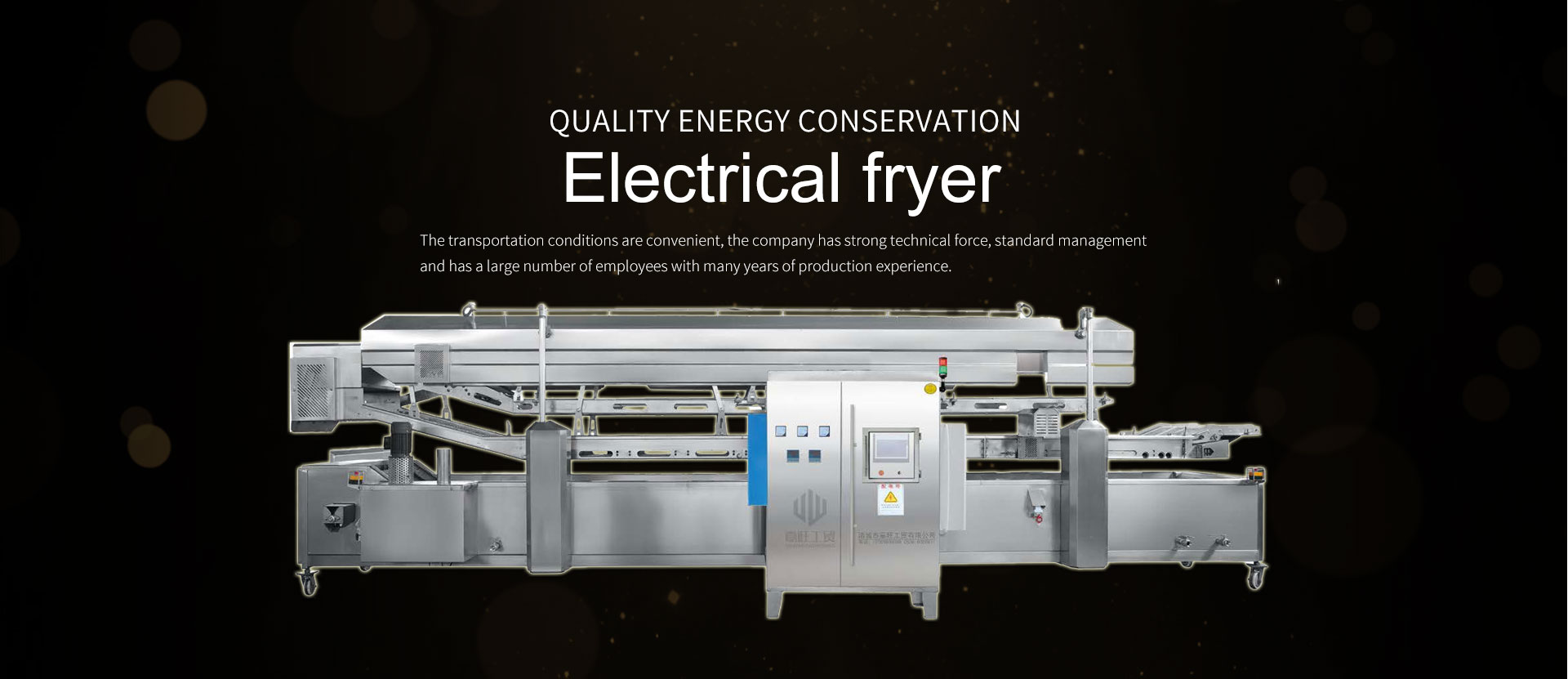
Electrical Fryer Price Guide: What Changes the Real Operating Cost?
Electrical Fryer Price Guide: What Changes the Real Operating Cost?
When reviewing electrical fryer price, the first number is only part of the story.
A lower purchase price can still lead to higher daily cost.
In food production and baking equipment supply, operating cost usually decides real value.
That includes power use, oil loss, cleaning time, maintenance, and output stability.
A practical electrical fryer price comparison should measure total cost, not equipment price alone.
Power Consumption Has a Direct Cost Impact
Electricity use is one of the biggest hidden cost drivers.
Two fryers may have a similar electrical fryer price, but very different heating efficiency.
Look at heating element design, insulation quality, and temperature recovery speed.
Fast recovery reduces idle time and keeps batch quality more consistent.
It also means less wasted energy during peak production hours.
- Check rated power against actual hourly output.
- Ask for energy data under full-load conditions.
- Compare standby consumption, not only peak power.
Oil Management Often Changes Total Ownership Cost
Oil usage can quietly exceed the gap in electrical fryer price over time.
Poor temperature control breaks oil down faster and raises replacement frequency.
That creates extra cost, product variation, and more cleaning pressure.
In actual operations, oil filtration support can improve both cost control and food quality.
Adding an Oil filter into the line may help extend usable oil life.
This is especially relevant when throughput is high and frying cycles are continuous.
Maintenance Design Affects Downtime More Than Expected
Maintenance cost is not only about spare part price.
It is also about cleaning access, part replacement time, and technician availability.
A fryer with a modest electrical fryer price may still be expensive to service.
More clearly, downtime can damage delivery schedules and reduce line utilization.
- Confirm heater access and drain structure.
- Ask which parts wear fastest in normal production.
- Review service response time and parts stock policy.
Production Efficiency Should Be Part of Any Price Comparison
A real electrical fryer price evaluation must include output per hour.
If one machine handles more product with stable quality, its unit cost may be lower.
This matters when matching fryers with baking, steaming, or transfer equipment.
Line balance problems often create hidden labor and waiting cost.
How to Compare Electrical Fryer Price More Accurately
Start with a simple operating cost checklist.
- Estimate daily production volume.
- Match fryer capacity to actual line demand.
- Calculate energy, oil, labor, and maintenance cost monthly.
- Review support equipment such as an Oil filter when oil cost is high.
- Request performance data from similar applications.
From a procurement view, the best electrical fryer price is the one with the lowest practical running cost.
Compare purchase price with operating efficiency, serviceability, and line fit, then the decision becomes much clearer.
Online Consultation