

Electrical Fryer Market Shifts to Watch in 2026
As the baking equipment industry adapts to rising efficiency demands and smarter production standards, the Electrical fryer market is entering a new phase in 2026. For business decision-makers, understanding these shifts is essential to improving output, controlling operating costs, and choosing equipment that supports long-term growth. This article explores the key trends shaping the market and what they mean for future investment strategies.
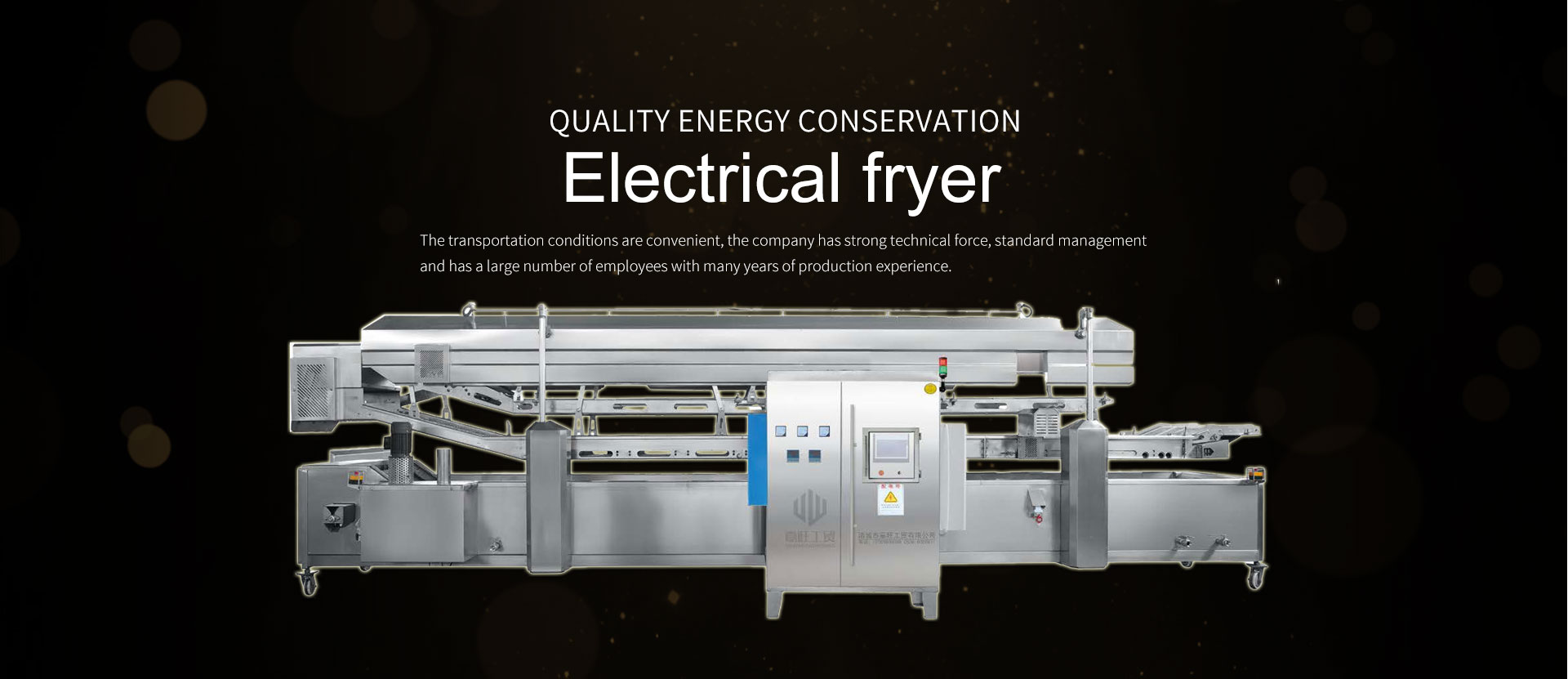
In commercial baking and snack production, an Electrical fryer is no longer viewed as a standalone heating unit. It is increasingly evaluated as part of a broader processing line that may include oil filtration, oil storage, steam handling, and automated conveying. That shift changes how procurement teams compare suppliers, estimate lifecycle cost, and plan capacity for the next 3 to 5 years.
Why the Electrical fryer Market Is Changing in 2026
Several market forces are converging at the same time. Energy prices remain volatile, labor is harder to optimize, and production managers are under pressure to reduce waste while keeping output stable across 8-hour, 12-hour, or even 24-hour operating cycles. For many bakeries and prepared-food plants, these pressures make equipment selection more technical than it was 2 years ago.
1. Efficiency is being measured beyond power consumption
A modern Electrical fryer is now judged by heat recovery speed, temperature control range, oil turnover management, and cleaning downtime. Buyers are asking whether a system can hold stable frying conditions within a practical working band, such as 160°C to 200°C, while reducing product-to-product variation during high-volume runs.
This is especially important in baking-related applications where fried dough, coated fillings, and snack components must maintain color, texture, and moisture balance. A unit that saves 8% to 15% in energy but creates uneven product quality does not improve overall plant economics.
2. Automation compatibility matters more than unit price
In 2026, more buyers will compare Electrical fryer options based on line integration. A fryer that connects smoothly to an oil filter, a steam tunnel machine, or a transfer section can reduce manual intervention by 2 to 4 steps per batch. That can lower labor demand and reduce contamination risk in repetitive production.
What procurement teams are now prioritizing
- Temperature stability during continuous loading
- Oil circulation and filtration compatibility
- Cleaning access points and maintenance intervals
- Electrical load matching with existing factory power systems
- Integration with upstream and downstream baking equipment
The table below outlines the key market drivers affecting Electrical fryer purchasing decisions in baking equipment operations.
The key takeaway is clear: the Electrical fryer market is moving from basic equipment comparison to system-level evaluation. Decision-makers who still focus only on initial purchase price risk underestimating operating cost, downtime exposure, and future expansion limits.
How Buyers Should Evaluate Electrical fryer Options
For B2B buyers in the baking equipment sector, a practical evaluation model should include at least 4 dimensions: production fit, thermal performance, oil management, and serviceability. This approach helps teams avoid buying oversized or underspecified equipment that creates bottlenecks after installation.
Match capacity to real production flow
Many companies overbuy capacity by 20% or more in anticipation of future growth. In reality, line balance matters more than nominal output. If the upstream dough forming, proofing, or steaming section only delivers stable volume at one rate, the Electrical fryer should be selected around actual hourly throughput rather than theoretical maximum loading.
A balanced line may include not only frying units but also support equipment such as an Oil tank to improve oil storage and transfer efficiency between processing stages. This becomes useful when plants run multiple recipes and need cleaner oil handling during shift changes.
Review the full oil management process
Oil quality directly affects product taste, surface finish, and operating cost. That is why Electrical fryer buyers increasingly ask how the fryer works with an oil filter, how often residue should be removed, and how oil is stored between production runs. Better oil management can reduce cleaning interruptions and support more stable frying across long shifts.
Five practical checks before ordering
- Confirm voltage, phase, and installed power requirements.
- Check the working temperature range and heat recovery behavior.
- Review tank cleaning access and residue discharge design.
- Verify compatibility with oil filtration and storage equipment.
- Ask for a realistic maintenance schedule covering weekly and monthly tasks.
The next table can help procurement teams compare Electrical fryer solutions using measurable criteria rather than generic marketing claims.
A strong purchasing decision should connect equipment specifications to daily operational realities. If service access is poor or oil circulation is difficult to manage, even a technically capable Electrical fryer may become costly over a 12-month period.
Technology Trends Reshaping Competitive Advantage
The Electrical fryer market in 2026 will be defined not only by core heating performance but also by how well equipment supports digital monitoring, modular expansion, and process consistency. In the baking equipment field, these capabilities influence both quality control and investment timing.
Smarter controls are becoming standard
Buyers increasingly prefer systems with intuitive control panels, alarm logic, and easier parameter storage for different recipes. Even simple functions such as storing 10 to 20 frying profiles can save setup time and reduce operator error when plants switch between products in the same day.
Modular lines support phased investment
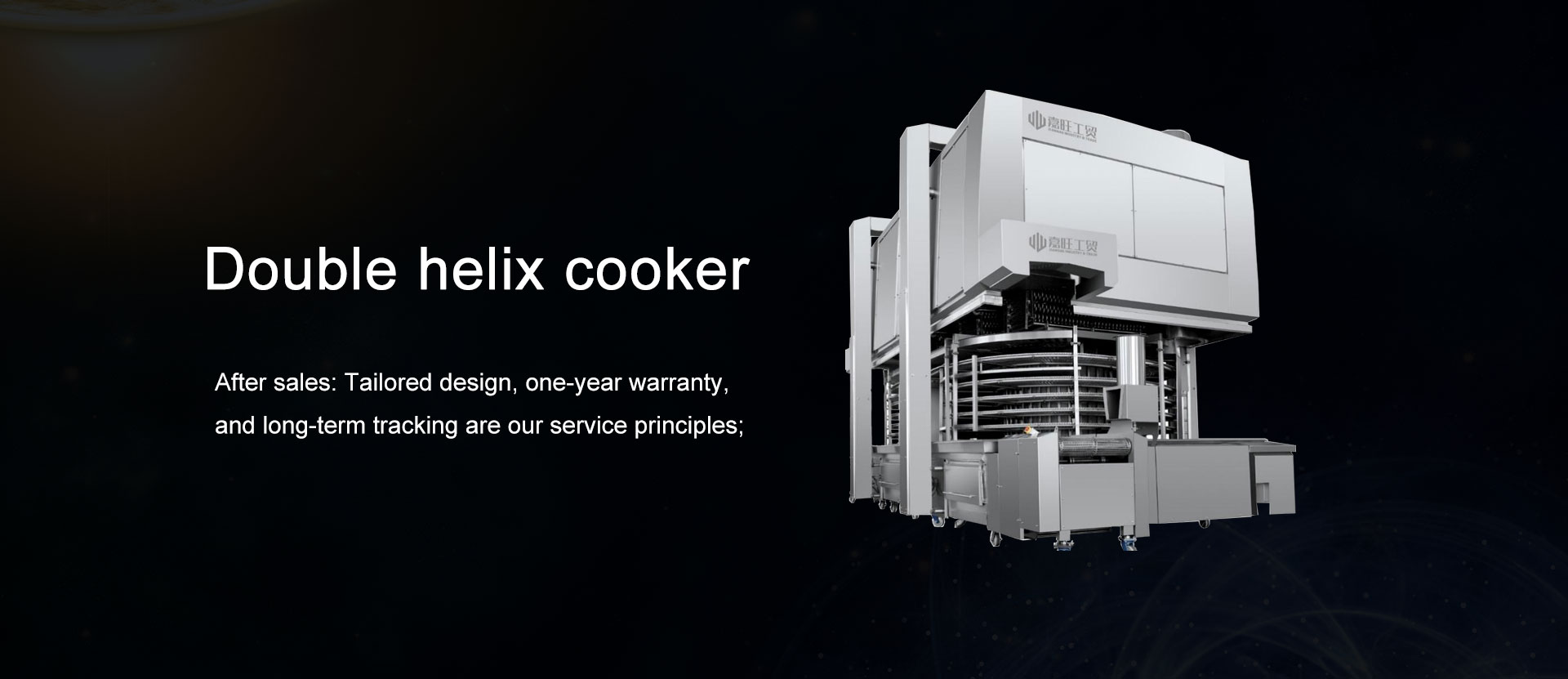
Not every factory needs a complete automated line from day one. Many decision-makers now favor modular equipment that allows a fryer to be integrated later with an oil filter, steam cabinet, double helix cooker, or storage solution such as a second Oil tank. This lowers capital pressure and makes expansion easier over 2 or 3 investment stages.
Common investment mistakes to avoid
- Choosing equipment with no allowance for future line connection
- Ignoring oil handling logistics during layout planning
- Estimating ROI only from output, not from downtime and cleaning labor
- Skipping operator training during startup and acceptance
Another trend worth watching is the growing demand for process visibility. Buyers want clearer insight into heating status, oil condition management, and maintenance timing. In a plant that runs 5 or 6 days per week, even small improvements in monitoring can reduce unplanned interruptions and help standardize output across shifts.
What This Means for Business Decision-Makers
For executives, plant managers, and procurement leaders, the Electrical fryer decision in 2026 should be treated as a strategic production choice rather than a simple equipment replacement. The right system can improve consistency, support oil control, and fit into a wider baking equipment workflow that includes steaming, frying, filtering, and holding stages.
A sound buying process usually involves 3 steps: define production goals, compare equipment against real operating conditions, and confirm service support before installation. Asking detailed questions early can prevent redesign costs, delivery delays, and underused capacity later.
As market expectations rise, businesses that invest in a well-matched Electrical fryer solution will be better positioned to control cost and scale with confidence. If you are planning a new baking line or upgrading your frying process, contact us now to discuss equipment details, request a tailored solution, or learn more about integrated frying, oil handling, steaming, and baking systems.
Online Consultation