

When Does an Electrical Fryer Fit Automated Bakery Lines?
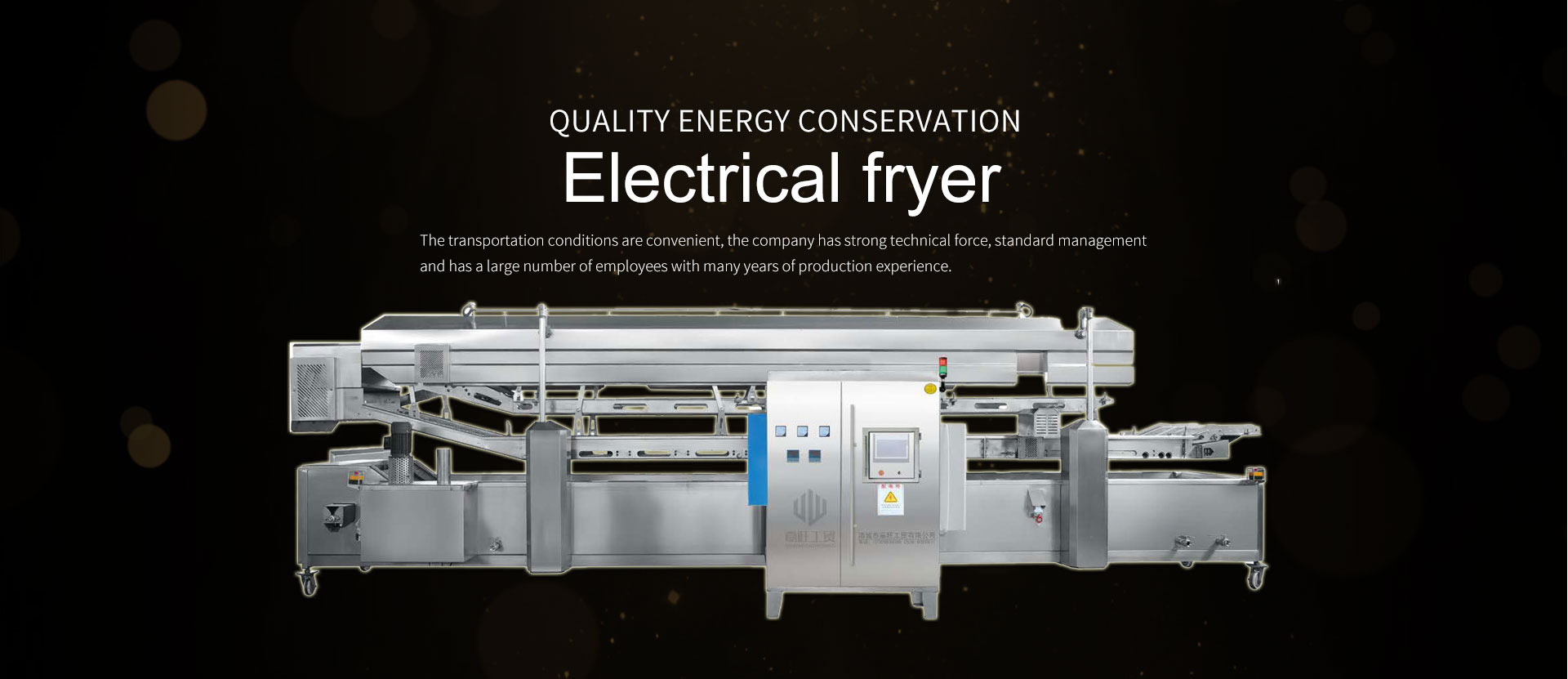
An Electrical fryer fits automated bakery lines when teams need precise temperature control, stable throughput, and cleaner integration with upstream and downstream equipment. For project managers and engineering leads, the right solution depends on product type, line capacity, energy planning, and food safety targets. Understanding these factors helps determine whether an Electrical fryer can improve consistency, reduce manual handling, and support a more efficient bakery production process.
When is an Electrical fryer the right fit for bakery automation?
For bakery equipment projects, the main question is not whether an Electrical fryer is modern, but whether it matches the production objective. Automated lines need equipment that can keep pace with conveyors, proofing, loading, de-oiling, cooling, and packaging without frequent intervention.
In practice, an Electrical fryer is often selected when the plant needs repeatable thermal control, easier utility management, and cleaner installation inside enclosed production areas. It becomes especially relevant when product quality variation or manual frying bottlenecks are limiting line performance.
- The product requires stable frying color, moisture reduction, and texture across long production runs.
- The line layout benefits from electric heating because steam, gas, or thermal oil infrastructure is limited.
- The project team needs tighter integration with loaders, discharge conveyors, oil filters, and downstream seasoning or packaging units.
- Food safety and sanitation targets require controllable operation, predictable cleaning intervals, and reduced open handling.
Typical bakery products that support the decision
Not every baked or fried item needs the same frying profile. Doughnuts, filled snacks, fried dough pieces, crouton-style items, and hybrid baked-fried products may all have different dwell time and temperature demands. Project leaders should start from the product behavior, not only from the machine specification.
Which production scenarios make the strongest business case?
The table below helps engineering teams judge where an Electrical fryer creates value in bakery equipment projects. It compares common line conditions, operational needs, and the likely fit of electric frying.
This comparison shows that an Electrical fryer is usually most attractive when control, integration, and sanitation are priority criteria. If a project is driven mainly by very large thermal demand, the team should compare alternative heating approaches early in the design stage.
Upstream and downstream equipment also matter
A fryer rarely works alone. The best result comes when the fryer, oil filter, oil tank, conveyors, and discharge handling are planned as one system. In mixed-process lines, some plants also connect frying with steaming or baking sections. For example, a hybrid product route may include Steaming and baking machine capacity before or after frying depending on the recipe and texture target.
Electrical fryer vs oil fryer: what should project managers compare?
Selection should not stop at the purchase price. Project managers need to compare utilities, process stability, installation conditions, maintenance access, and line expansion plans. The next table highlights common decision factors in bakery equipment procurement.
The practical takeaway is simple. If your line demands recipe flexibility, compact installation, and stable product appearance, an Electrical fryer deserves serious evaluation. If your main constraint is very high heat demand at the lowest utility cost under local energy pricing, a broader thermal comparison is necessary.
What technical points should engineering leads verify before approval?
Key process and equipment checks
A fryer can look suitable on paper and still underperform in production if the project team skips process verification. Engineering approval should connect machine details to product behavior, utility limits, and operator workflow.
- Confirm product loading pattern, floating behavior, turnover needs, and expected residence time in the oil zone.
- Check whether the Electrical fryer supports stable temperature recovery during peak loading, not only during empty testing.
- Review oil circulation, filtration frequency, crumb removal method, and access for daily sanitation.
- Verify electrical load, cable routing, panel coordination, and plant power quality before final layout release.
- Match fryer discharge height and conveyor speed to downstream cooling, seasoning, or packaging equipment.
Oil management is part of line performance
Many project delays come from focusing only on the heating section. In bakery equipment lines, oil quality affects color consistency, taste, sanitation, and operating cost. That is why oil filter and oil tank planning should be considered together with the fryer instead of as separate later-stage accessories.
How should buyers evaluate selection, cost, and implementation risk?
The following selection table is useful during internal review meetings. It gives project managers a structured way to compare line requirements before requesting a final quotation for an Electrical fryer or a combined bakery equipment solution.
A disciplined review process reduces change orders later. It also helps the supplier propose the right combination of fryer, oil circulation, holding tank, steam equipment, or auxiliary modules that fit the line instead of overselling a standalone machine.
Common implementation risks
- Assuming the same fryer settings will work for different dough formulations without pilot validation.
- Ignoring oil turnover, crumb load, and filtration intervals during cost planning.
- Choosing line speed first and checking product core quality only after installation.
- Treating fryer selection separately from steam tunnel machine, steam cabinet, or other thermal process equipment in a hybrid line.
What about compliance, sanitation, and long-term line development?
General compliance points to review
Specific certification needs vary by country and project, but bakery equipment buyers usually review food-contact material suitability, electrical safety, guarding, emergency stop logic, and cleanability. For export projects, the engineering file should also record wiring, utility requirements, and operating procedures in a clear, auditable format.
Long-term planning matters too. If the line may later add proofing, steaming, baking, or further cooking capacity, the control architecture should not be isolated. Some bakeries eventually combine frying with modules such as a Steaming and baking machine to support broader product development without rebuilding the full process line.
FAQ for project managers evaluating an Electrical fryer
How do I know if an Electrical fryer is too small or too large for my line?
Start with hourly throughput, product size, oil residence time, and future expansion. A line that only meets nominal output under ideal conditions may struggle after recipe changes or seasonal demand peaks. Ask for capacity evaluation based on your actual product loading pattern, not only machine dimensions.
Is an Electrical fryer suitable for continuous automated bakery production?
Yes, often it is, especially for lines that require stable control and predictable integration. The key is matching heat recovery, conveyor handling, and oil filtration to the production rhythm. Continuous automation fails when support systems are undersized, not simply because the heating method is electric.
What should we ask suppliers before procurement approval?
Request confirmation on electrical load, control method, oil management design, sanitation access, installation boundaries, and expected commissioning support. Also ask how the fryer connects with oil filter, oil tank, and upstream or downstream conveyors in a complete bakery equipment solution.
Can an Electrical fryer reduce manual handling?
In many lines, yes. Automated infeed, frying, discharge, and oil handling can reduce operator touchpoints and improve consistency. The reduction depends on whether the overall system includes automatic feeding, filtration, transfer, and product discharge rather than a manual batch setup.
Why choose us for bakery equipment project support?
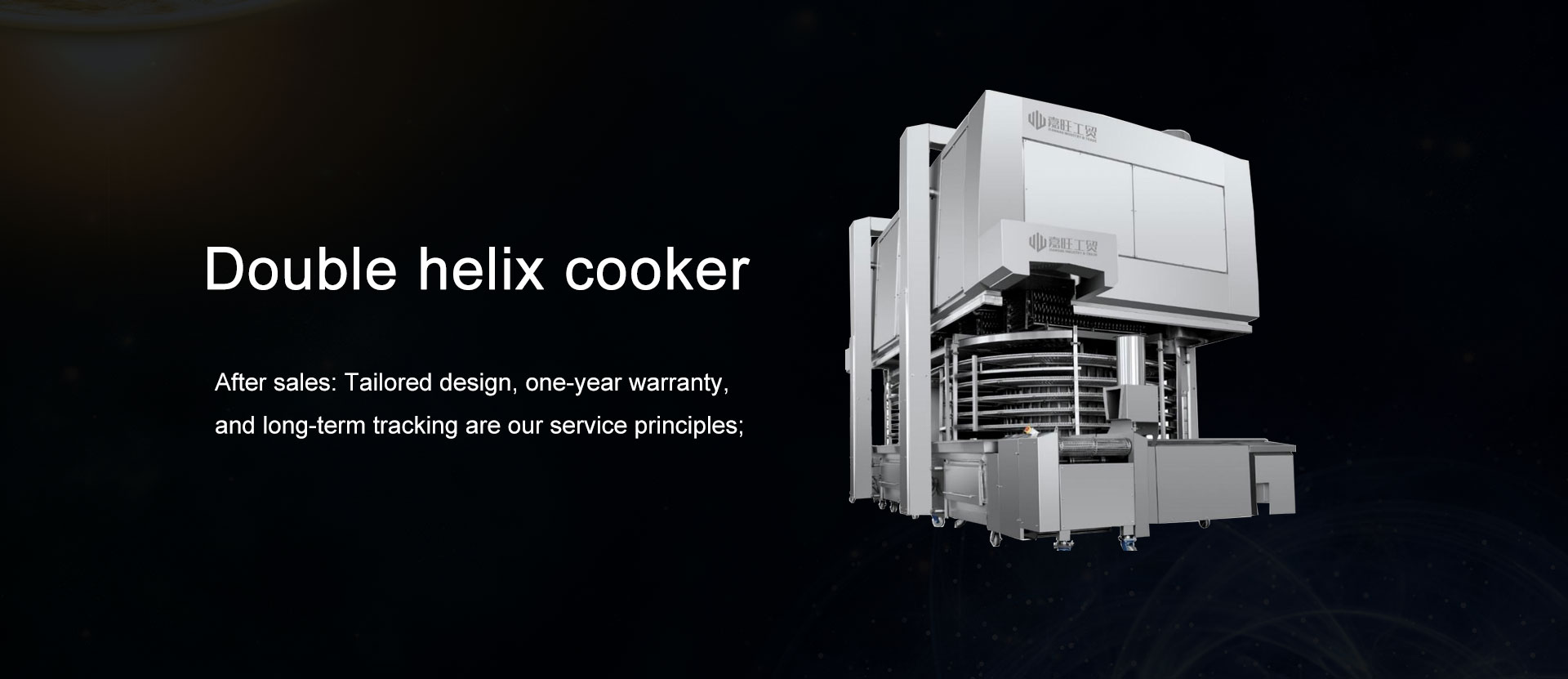
We focus on practical line matching, not generic equipment recommendations. Our scope covers Electrical fryer systems together with oil fryer, oil filter, oil tank, steam tunnel machine, double helix cooker, steaming and baking machine, and steam cabinet solutions for integrated food production lines.
If you are evaluating a new bakery line or upgrading an existing one, you can contact us for specific support on capacity confirmation, product-based selection, utility planning, layout coordination, delivery timing, and customization options. We can also discuss sanitation priorities, integration with upstream and downstream equipment, and quotation preparation based on your target process rather than a one-size-fits-all machine list.
Online Consultation