


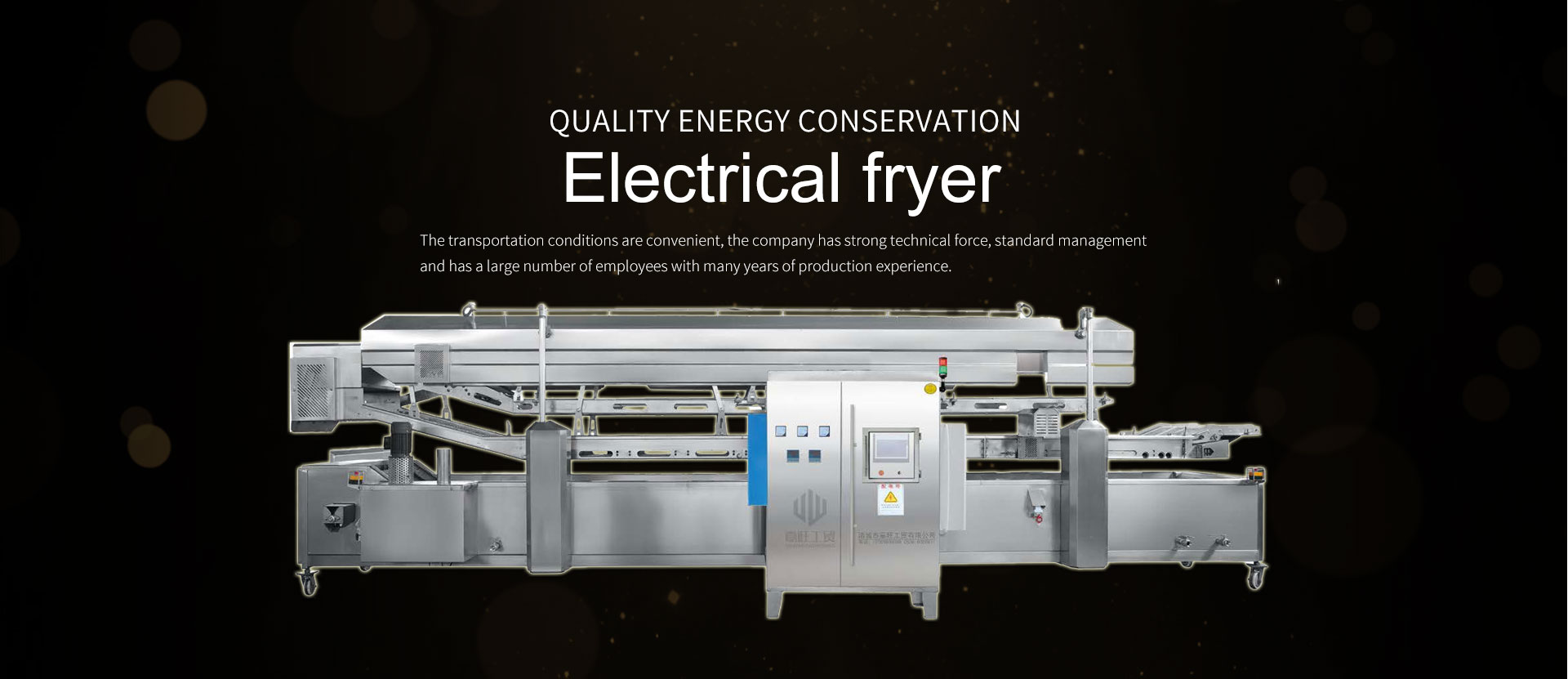
Electrical fryer recovery time affects output more than expected
An electrical fryer’s recovery time can quietly limit batch capacity, affect product consistency, and increase operating costs more than many kitchens expect. For bakeries, food plants, and commercial frying lines, understanding how fast an electrical fryer returns to target temperature is essential for stable output, oil quality, and efficient production planning.
In practical terms, recovery time is not a minor technical detail. It directly influences how many batches you can run per hour, how evenly products fry, and how much stress the oil and heating system experience during peak demand. For operators, engineers, buyers, and production managers, the key question is simple: can the fryer return to target temperature fast enough to support your real production rhythm without sacrificing quality or efficiency?
Why recovery time matters more than many teams realize
Recovery time is the period an electrical fryer needs to return to its set temperature after a cold or wet product load is dropped into the oil. Every batch pulls heat out of the system. If the fryer cannot replace that heat quickly, the oil temperature stays below target longer than expected.
That temperature dip creates a chain reaction:
- Longer frying cycles
- Lower hourly output
- More variation between early and late batches
- Higher oil absorption in some products
- Greater risk of color inconsistency and texture defects
- Extra operator adjustments that reduce process stability
Many facilities focus on nominal tank size or connected power, but those figures alone do not reveal real production performance. A fryer may look adequate on paper yet still struggle during repeated loading, especially when production shifts from occasional frying to continuous batch operation.
How slow recovery time reduces real output
Output loss often appears gradually, which is why it is underestimated. A fryer that recovers slowly may only add 20 to 40 seconds to each batch. But across dozens or hundreds of batches, that small delay becomes a significant production constraint.
For example, if your line runs 60 batches in a shift and each batch effectively loses 30 seconds due to temperature recovery, that is 30 minutes of lost productive time. In a high-volume bakery or snack operation, that can mean missed targets, overtime costs, or pressure to overload the fryer, which usually makes the problem worse.
Slow recovery can also reduce throughput indirectly by forcing operators to:
- Lower batch size to maintain quality
- Wait between loads
- Increase fry time to compensate for low oil temperature
- Sort or reject more off-spec product
From a business perspective, recovery time affects effective capacity more than advertised capacity. That is the number procurement teams and plant managers should care about.
What product quality problems are linked to poor temperature recovery?
For users, quality control teams, and safety managers, recovery time is closely tied to product consistency. When oil temperature drops too far or remains unstable, frying results become less predictable.
Common issues include:
- Uneven color from batch to batch
- Soft crust or poor surface development
- Excessive oil pickup
- Moisture retention problems
- Inconsistent internal doneness
- More crumbs and fines breaking into the oil
In bakery-related applications, where products may have delicate coatings, controlled moisture, or specific texture requirements, these variations can be especially costly. Even if the average output looks acceptable, poor recovery creates hidden quality instability that affects customer satisfaction and rework rates.
How to tell whether recovery time is limiting your line
Many teams assume a fryer is undersized only when production becomes obviously slow. In reality, recovery-related losses can be identified earlier through a few practical checks.
Look for these signs:
- Oil temperature drops sharply after each load and needs noticeable time to recover
- First batches after idle periods differ from later batches
- Operators routinely extend frying time without formal process adjustment
- Product quality worsens during peak production windows
- Actual hourly output remains below planning assumptions
- Oil degrades faster than expected under normal loading
A useful assessment method is to compare set temperature, lowest temperature after loading, and time required to return near the set point under normal batch conditions. This should be tested using actual product, actual batch weight, and realistic production intervals, not empty-equipment conditions.
What determines recovery performance in an electrical fryer?
Recovery time depends on more than heater wattage. Several design and operating factors work together:
- Installed heating power: Higher effective power generally improves heat replacement, but only if well matched to tank volume and load pattern.
- Heat transfer efficiency: Element design, placement, and oil circulation influence how quickly heat reaches the product zone.
- Oil volume: Larger oil mass can buffer temperature drop, but may also require more energy to recover if the system is poorly designed.
- Batch size and load temperature: Frozen, wet, or oversized loads cause deeper temperature drops.
- Control system responsiveness: Sensors, controller logic, and power modulation affect how precisely the fryer responds.
- Workflow discipline: Back-to-back loading without spacing may exceed the fryer’s intended duty profile.
This is why technical evaluation should focus on the fryer as a thermal system, not just a listed specification sheet. In some cases, a properly configured Oil fryer can provide better real-world stability than a larger unit with less effective heat recovery design.
How buyers and engineers should evaluate a fryer before purchase
For procurement teams, project managers, and engineering decision-makers, the best way to avoid recovery-related mistakes is to ask performance questions tied to production reality.
Key questions include:
- What is the tested recovery time after a defined batch load?
- At what batch size and product temperature was that result measured?
- How much does oil temperature drop immediately after loading?
- What is the recommended continuous batch rate per hour?
- How does the fryer perform during peak or repeated loading?
- What controls are used to maintain temperature stability?
- Can the design support future capacity increases?
If possible, request trial data, production references, or a live demonstration using a comparable product. A supplier that can discuss recovery time clearly usually understands process demands better than one that only promotes generic heating capacity.
Operational steps to improve recovery and protect output
If replacing equipment is not immediate, operators can still reduce the impact of poor recovery with better process control.
- Standardize batch weight and loading intervals
- Avoid overloading during peak demand
- Pre-drain or pre-condition products with excess surface moisture
- Verify actual oil temperature with calibrated instruments
- Maintain heating elements and sensors properly
- Filter oil regularly to support heat transfer and product quality
- Review whether the production plan exceeds the fryer’s stable operating zone
These steps will not fully compensate for an undersized or poorly designed system, but they can improve consistency and reduce unnecessary output loss. In growing operations, this data also helps build a stronger business case for equipment upgrade.
Why recovery time affects operating cost as well as capacity
Recovery time is not only a throughput issue. It also changes cost structure. Slow recovery can increase labor cost per unit, energy waste from extended cycle times, and oil replacement frequency due to unstable frying conditions.
When production teams repeatedly compensate for low temperature by increasing fry time, the result may be:
- Higher energy consumption per kilogram of product
- Lower labor efficiency
- More quality loss and rework
- Faster oil degradation
- Reduced confidence in production scheduling
For business evaluators and senior decision-makers, this means recovery time should be treated as an operating profit variable, not only a technical characteristic. In many cases, selecting a more stable frying system delivers value through higher usable output and lower total process cost.
When it may be time to upgrade your fryer system
An upgrade should be considered when demand regularly pushes the fryer beyond its thermal recovery ability, or when quality variation and line inefficiency become recurring management issues.
Typical triggers include:
- Repeated missed output targets
- Frequent product inconsistency during busy periods
- Ongoing operator intervention to maintain acceptable results
- Expansion into higher-volume or stricter-quality product lines
- Rising oil and energy costs without corresponding productivity gains
For distributors, project planners, and plant decision-makers, equipment selection should align with both current production and likely future loading patterns. A fryer that only meets today’s minimum requirement may become a bottleneck quickly. Evaluating options such as an appropriately specified Oil fryer within a broader thermal process plan can reduce that risk.
Conclusion
Electrical fryer recovery time affects output more than many operations expect because it quietly controls batch rhythm, product consistency, and process cost at the same time. A fryer that takes too long to return to target temperature does not just slow production; it can also increase oil absorption, create quality variation, and reduce the true profitability of the line.
The most useful way to evaluate fryer performance is to look beyond rated specifications and focus on real recovery behavior under actual production loads. For operators, engineers, buyers, and managers alike, that approach leads to better decisions, more stable quality, and a clearer understanding of what the equipment can truly deliver.
Online Consultation