

Electrical fryer vs gas fryer: which fits daily production better?
Choosing between an Electrical fryer and a gas fryer can directly affect output stability, operating cost, safety control, and daily workflow. For bakeries and food production lines, the right fryer is not just about heat source, but about matching capacity, maintenance needs, and product consistency with real production goals. This comparison helps buyers and operators identify which option fits daily production better.
In bakery equipment planning, the fryer is rarely a standalone decision. It connects with oil filtration, oil storage, pre-coating, conveying, steaming, and even downstream cooling or packaging. For procurement teams, plant managers, distributors, and operators, the practical question is not which heat source sounds better, but which fryer supports daily output targets with lower interruption risk and more predictable cost.
A small retail bakery producing 80 kg to 150 kg of fried products per day may value installation simplicity and precise temperature recovery. A central kitchen or industrial food line processing 300 kg to 1,000 kg per shift may care more about fuel availability, energy cost structure, and maintenance planning. The correct answer depends on production rhythm, utility conditions, operator skill level, and safety management standards.
How electrical and gas fryers differ in daily bakery production
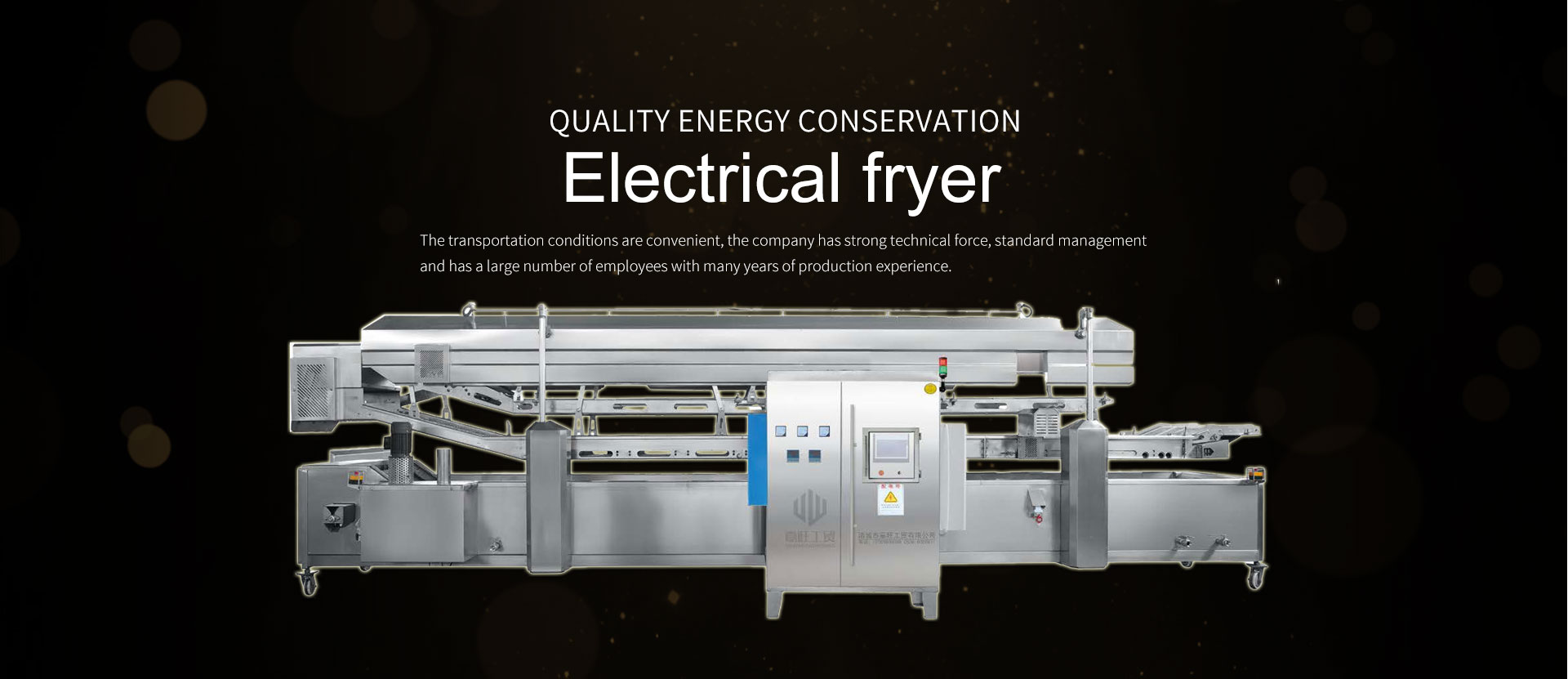
An electrical fryer converts electrical power directly into heat through heating elements. A gas fryer uses a burner and heat exchanger system. In bakery and snack production, both can handle donuts, filled pastries, coated products, and fried side items, but their heat response profile and operating environment differ in ways that matter every shift.
Electrical fryers are often selected for precise temperature control. In many standard configurations, temperature fluctuation can be kept within a narrower band, often around ±1°C to ±3°C depending on controller quality and load condition. This is important when product color, moisture loss, and crust formation must remain stable across repeated batches.
Gas fryers are frequently preferred in facilities where gas cost per unit of heat is lower than electricity or where higher throughput is required over long operating windows such as 8 to 16 hours per day. Their heating power can be strong, but actual frying stability depends on burner design, combustion efficiency, and ventilation conditions.
For bakery equipment buyers, the comparison should include not only fryer body price, but also oil tank layout, oil filter integration, exhaust arrangement, utility connection time, and cleaning workload. In many lines, the fryer’s real performance is determined by the system around it, not only the heating source inside it.
Core operating differences
- Electrical fryer: faster control adjustment, simpler indoor installation in many workshops, and easier integration with automated control panels.
- Gas fryer: often suitable for sites with stable gas supply, strong production demand, and lower fuel cost pressure over long shifts.
- Electrical systems may require 380V or similar industrial power access for medium to large capacity units, which can affect project lead time by 3 to 10 days.
- Gas systems usually need burner setup, exhaust checks, and combustion safety review, adding 1 to 2 more commissioning steps.
The table below shows a practical side-by-side comparison for bakery and fried food production teams evaluating heat source choice under daily operating conditions.
The key takeaway is that electrical fryer selection tends to favor process consistency and easier control integration, while gas fryer selection often aligns with long-hour production economics and utility availability. Neither is automatically superior; the better option is the one that fits the plant’s real operating structure.
Output stability, product consistency, and workflow impact
For bakeries, output stability means more than kilograms per hour. It includes color consistency, oil absorption control, batch repeatability, and predictable recovery time after loading cold or wet product. In daily production, a fryer that reaches target temperature quickly but recovers poorly under load can create uneven results across 2 or 3 consecutive batches.
Electrical fryers are commonly chosen when recipes are sensitive to frying temperature, such as filled donuts, crumb-coated snacks, or products with a narrow browning window. If the product requires frying at 175°C to 185°C and must remain within a 2°C to 4°C process band, electrical systems often give operators finer adjustment and repeatable setpoint behavior.
Gas fryers can perform very well in continuous production, especially when basket loading is frequent and the oil volume is large enough to buffer temperature shock. In a line running 400 kg to 600 kg in one shift, gas heating may support strong thermal recovery, but the practical result depends on fryer design, oil circulation, and whether an oil filter is used at planned intervals.
Workflow also changes with the heat source. Electrical systems may reduce startup checks to 3 or 4 main points: power, thermostat, oil level, and safety interlock. Gas systems typically add burner ignition, flame observation, gas pressure confirmation, and exhaust inspection. In busy production mornings, those extra checks can affect labor assignment and startup time.
Why upstream and downstream equipment matter
A fryer rarely works alone in food production. Coating, feeding, oil management, and discharge all influence the final result. For example, when crumb-coated products enter the fryer with uneven coverage, oil cleanliness drops faster and surface color variation increases. In such cases, pairing the frying section with a pre-processing solution such as wet crumb coater can help improve coating uniformity before frying.
Likewise, oil tanks and oil filters play a direct role in daily quality control. If oil is filtered every 4 to 6 hours instead of only at end of shift, suspended crumb can be reduced, resulting in cleaner appearance and more stable flavor. This matters for both electrical and gas fryers because oil quality often has as much impact on product consistency as heat source does.
Typical workflow checks for stable production
- Confirm oil level, target temperature, and startup readiness 20 to 30 minutes before loading.
- Check raw material temperature and moisture condition, especially if product enters from chilled holding.
- Filter oil by schedule instead of waiting for visible darkening or excessive crumb buildup.
- Record batch color, frying time, and product weight loss at least every 2 to 3 hours.
- Review end-of-shift cleaning and next-shift startup condition to reduce cumulative residue risk.
For most bakeries, stable daily production is achieved by balancing fryer design, recipe sensitivity, and operating discipline. Plants with high SKU variation often lean toward electrical control precision, while facilities with steady high-volume runs may gain more from gas-based energy economics if maintenance and ventilation are properly managed.
Cost analysis: purchase price, utilities, and maintenance burden
Initial purchase price is only one part of the decision. Over a 12 to 36 month operating horizon, actual cost comes from energy use, downtime, maintenance labor, spare parts consumption, and oil life management. Procurement teams should compare total operating cost per shift or per kilogram, not only the equipment quotation.
Electrical fryers may have an advantage in sites where installation needs to be fast and workshop infrastructure already supports sufficient power capacity. If a unit falls in the 12 kW to 36 kW range, power distribution may still require review, but the installation process is often simpler than a new gas setup. This can shorten project coordination and reduce hidden engineering cost.
Gas fryers can become cost-effective in plants running 2 shifts or more per day, especially where gas prices are structurally lower than electricity. However, maintenance should include burner cleaning, flame sensor inspection, and ventilation verification. If these checks are skipped, fuel savings can be offset by unstable heating or unplanned stoppage.
Oil cost is another overlooked factor. Poor heat distribution, residue accumulation, and irregular filtration can shorten oil life by several days. In many bakery applications, scheduled filtration and controlled crumb load may extend acceptable oil use by 15% to 30%, which can change the real cost comparison between fryer types.
Practical cost comparison points
The following table helps technical and commercial teams compare cost drivers that affect daily production, not just purchase approval.
From a budgeting perspective, plants should evaluate at least 5 cost layers: equipment price, installation, utility consumption, maintenance labor, and oil management. This approach gives a more realistic answer than choosing only by nominal energy price.
Safety, compliance, and maintenance planning in bakery facilities
Safety teams and quality managers often influence fryer selection as much as production supervisors do. Frying equipment operates at high temperature, uses large oil volumes, and may run near flour dust, crumbs, moisture, and human traffic. In bakery workshops, daily safety control must be practical enough to repeat every shift, not just during commissioning.
Electrical fryers usually require strict attention to grounding, cable protection, moisture isolation, and overload prevention. In wet-cleaning environments, enclosure integrity and panel sealing are especially important. A simple preventive routine every 7 to 14 days can reduce the chance of control fault escalation and unplanned stoppage during peak production hours.
Gas fryers place greater emphasis on flame monitoring, gas connection checks, burner cleanliness, and exhaust performance. If the workshop has insufficient ventilation or unstable gas pressure, operators may see delayed ignition, uneven heating, or safety alarm interruptions. These issues are manageable, but they require discipline in inspection and maintenance scheduling.
Oil handling is a shared safety topic for both systems. Oil tanks, transfer lines, and filtration points should be designed to minimize manual lifting and hot-oil contact. In medium and large lines, integrating an oil filter and dedicated oil tank can lower cleaning risk and improve sanitation control across 1 to 2 production shifts per day.
Maintenance priorities by fryer type
- Electrical fryer: inspect heating elements, thermostats, contactors, and wiring terminals on a fixed cycle.
- Gas fryer: inspect burners, ignition parts, flame sensors, and air-gas ratio condition.
- Both types: verify oil quality, sediment load, seal condition, and cleaning completeness after each shift.
- For continuous production lines, prepare 1 basic spare kit covering sensors, seals, and high-wear electrical or ignition components.
Common risks buyers should not ignore
A common mistake is selecting a fryer by output claim alone without checking utility match, ventilation path, and sanitation workflow. Another is underestimating the role of operator training. Even a well-designed unit can lose efficiency if startup, filtering, and shutdown are not standardized. In many plants, 3 to 5 operating instructions posted near the fryer reduce avoidable process drift.
Maintenance planning should begin before installation. Decision-makers should ask how often key parts need inspection, what failure points are most common, and whether service support can respond within a practical timeframe. A fryer that saves fuel but creates long service delays may not be the better production asset.
How to choose the right fryer for different production scales
The best selection method is to match fryer type to production pattern, not just product type. A bakery selling fresh fried items in one location has very different requirements from a food factory serving multiple channels through a daily production line. Capacity planning, shift length, product range, and expansion possibility should all be reviewed together.
For low to medium output, electrical fryers often fit well because they are easier to control and may simplify installation in urban workshops or indoor food preparation areas. If daily output is below 200 kg and recipe changes happen often, the control flexibility can be more valuable than chasing nominal fuel savings.
For medium to high continuous output, gas fryers may offer stronger economic logic, especially where the line runs 8 hours or more and local gas infrastructure is stable. If the plant already uses steam tunnel machines, steam cabinets, or other thermal equipment, utility integration may further support gas-based planning in some projects.
Distributors and project managers should also consider future modular expansion. A fryer may later need to connect with an oil filter, oil tank, conveyor, steamer, or pre-treatment unit. In some coated food applications, a second-stage solution such as a wet crumb coater may be added upstream, so layout flexibility matters from the start.
Selection guide by scenario
Use this matrix to align fryer choice with real operating conditions and decision priorities.
This selection logic helps stakeholders across purchasing, engineering, and operations speak from the same framework. Instead of debating heat source in isolation, they can compare capacity, utility fit, maintenance load, and product consistency in a structured way.
A 6-point evaluation checklist before purchase
- Define actual daily output, peak-hour load, and expected expansion within 12 to 24 months.
- Check utility conditions, including available power, gas access, and exhaust configuration.
- Review product sensitivity to temperature fluctuation, color variation, and oil absorption.
- Confirm cleaning method, oil filtering frequency, and operator maintenance capability.
- Estimate total cost per shift, including energy, labor, downtime, and oil replacement.
- Verify compatibility with related bakery equipment such as oil filter, oil tank, steamer, or conveying units.
FAQ for buyers, operators, and technical evaluators
Which fryer is better for consistent donut or pastry color?
If the product is highly sensitive to temperature variation, an electrical fryer is often easier to manage because control response is typically more precise. For recipes that need stable frying between 175°C and 185°C, this can help reduce uneven browning across multiple batches. That said, a well-designed gas fryer with stable combustion and proper oil filtration can also perform consistently in continuous production.
Is gas always cheaper to run than electricity?
Not always. The answer depends on local energy pricing, daily operating hours, fryer efficiency, and maintenance quality. A gas fryer may show better economics in long 8 to 16 hour production runs, but if gas infrastructure, exhaust work, and maintenance complexity increase project cost, the total advantage may narrow. Buyers should compare full operating cost over at least 1 year.
What should quality and safety teams inspect first?
Start with temperature control reliability, oil handling safety, and cleaning access. For electrical systems, check grounding, moisture protection, and controller condition. For gas systems, check flame monitoring, gas leakage prevention, and ventilation adequacy. In both cases, verify that oil filtering and sanitation steps can be completed safely at the required frequency.
How long does commissioning usually take?
For standalone equipment in a prepared facility, basic installation and commissioning may take 1 to 3 days. If utility upgrades, exhaust modification, oil tank integration, or full line coordination are required, the project may extend to 1 to 3 weeks. Early review of site power, gas access, drainage, and workflow can prevent delays.
Electrical fryer vs gas fryer is ultimately a production-fit decision. Electrical systems often stand out in precise control, easier operational management, and recipe-sensitive applications. Gas systems often make sense for longer runs, larger throughput, and facilities with favorable fuel conditions. The most reliable choice comes from evaluating output demand, utility readiness, oil management, maintenance discipline, and line integration together.
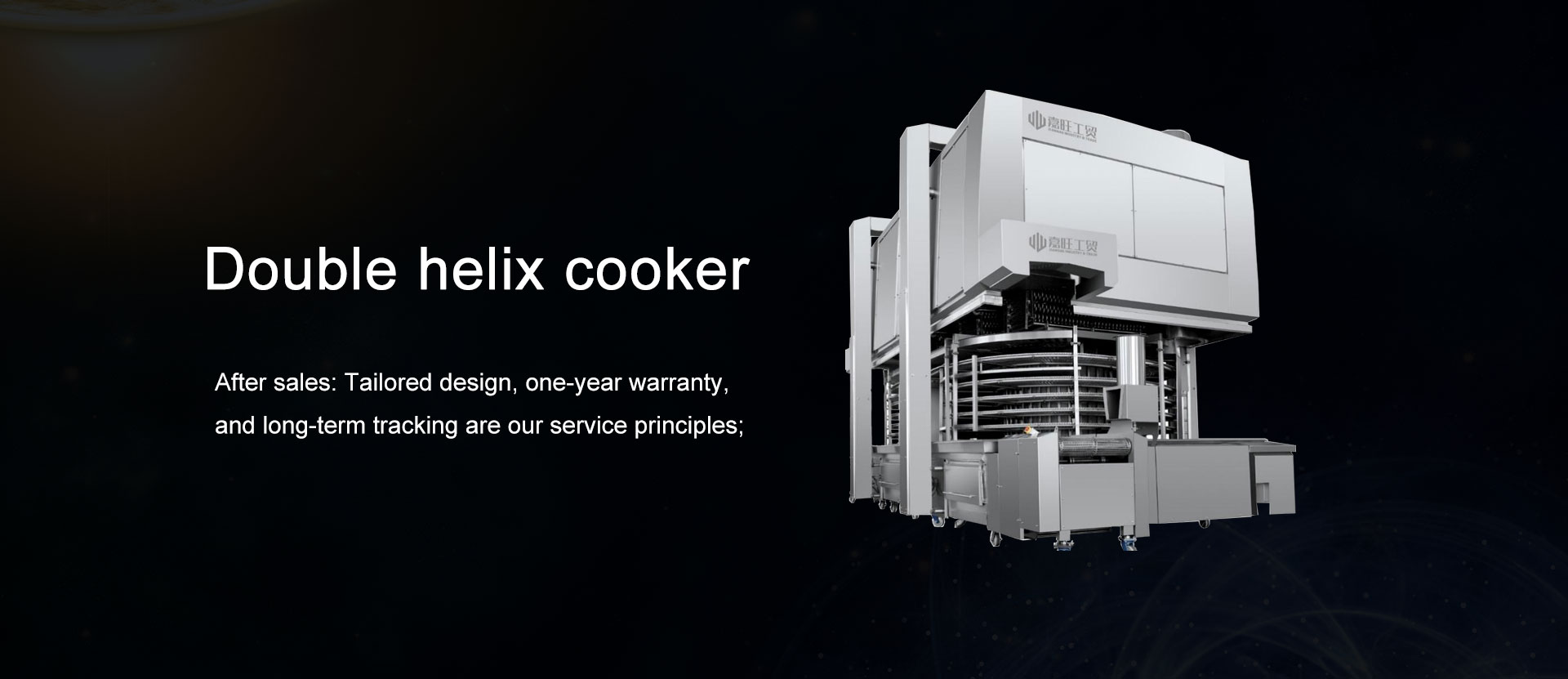
If you are planning a bakery or food production upgrade involving electrical fryer, oil fryer, oil filter, oil tank, steam tunnel machine, double helix cooker, steaming and baking machine, or steam cabinet solutions, now is the right time to compare configurations based on real daily production goals. Contact us to get a tailored recommendation, discuss technical details, or request a customized frying and processing solution for your operation.
Online Consultation