

Oil Fryer Price Comparison: Purchase Cost vs Maintenance Cost in 2026
Why does oil fryer price never stop at the quote?
In 2026, oil fryer price matters less as a single number and more as a cost pattern over time.
For baking equipment lines, the first invoice is only one part of the decision.
Daily energy draw, oil life, filter performance, downtime, and spare parts often change the real budget more than expected.
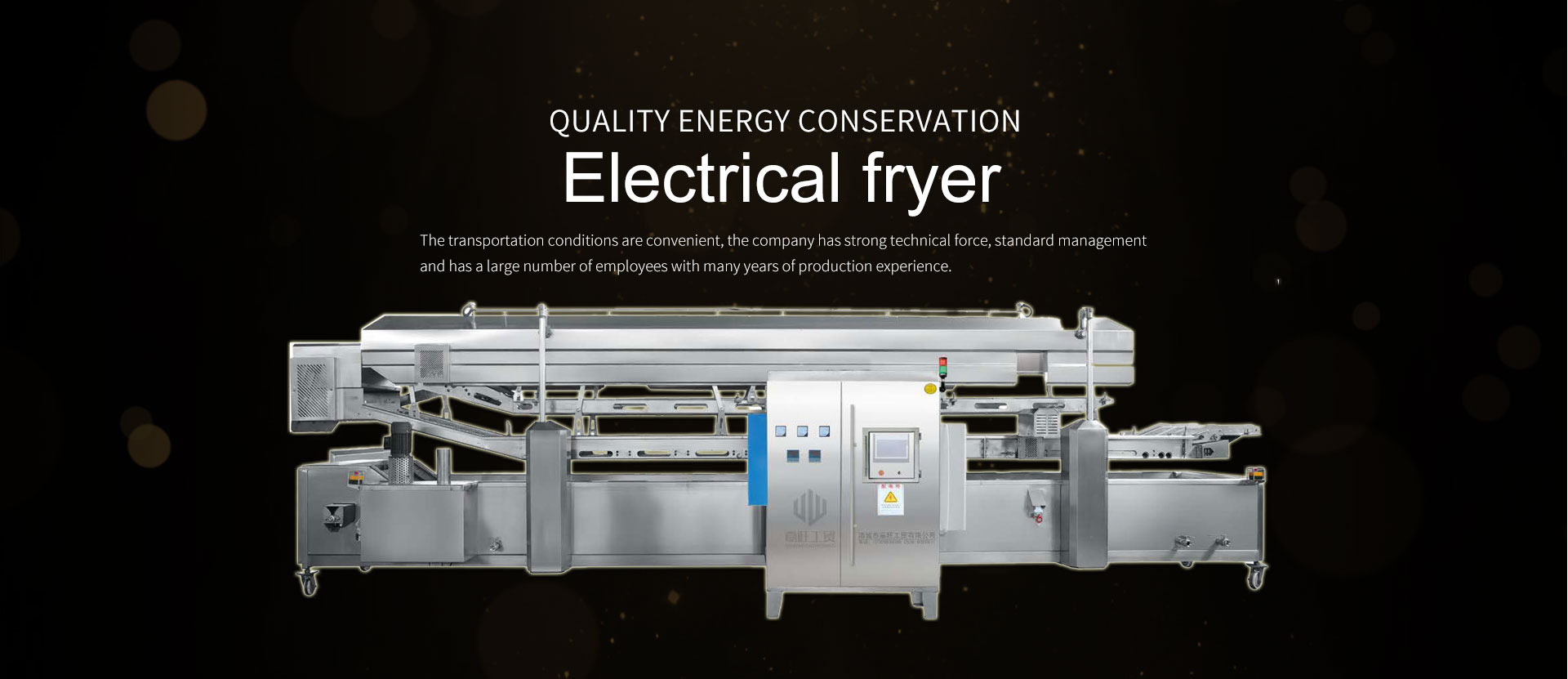
This is especially true when fryers work beside oil tanks, oil filters, steam cabinets, or continuous thermal equipment.
Is a lower oil fryer price actually cheaper in long-term use?
Not always. A lower purchase price can hide higher operating cost within the first year.
In practical use, the biggest hidden cost is usually oil consumption.
If heat control is unstable, oil degrades faster, product color shifts, and replacement frequency rises.
The second pressure point is maintenance.
Units with weak burners, poor sealing, or basic filtration may look affordable, yet require more cleaning time and more unplanned repairs.
A quick comparison helps
Which maintenance costs should be checked before comparing offers?
A serious oil fryer price review should break maintenance into several small but measurable items.
- Heating system service intervals and replacement parts
- Filter media cost and cleaning labor
- Pump, valve, and temperature control reliability
- Availability of oil tanks and matching filtration accessories
- Lead time for seals, sensors, and electrical components
Need to compare labor as well.
A fryer that takes longer to drain, clean, and restart adds cost even when parts spending looks normal.
How do production conditions change the oil fryer price decision?
The right answer depends on product type, throughput, and line integration.
For coated snacks or bakery items, oil quality control is more sensitive than many buyers expect.
If crumbs are heavy, filtration becomes central to cost control.
That is where upstream handling, including batter coating equipment, can indirectly affect fryer maintenance and oil life.
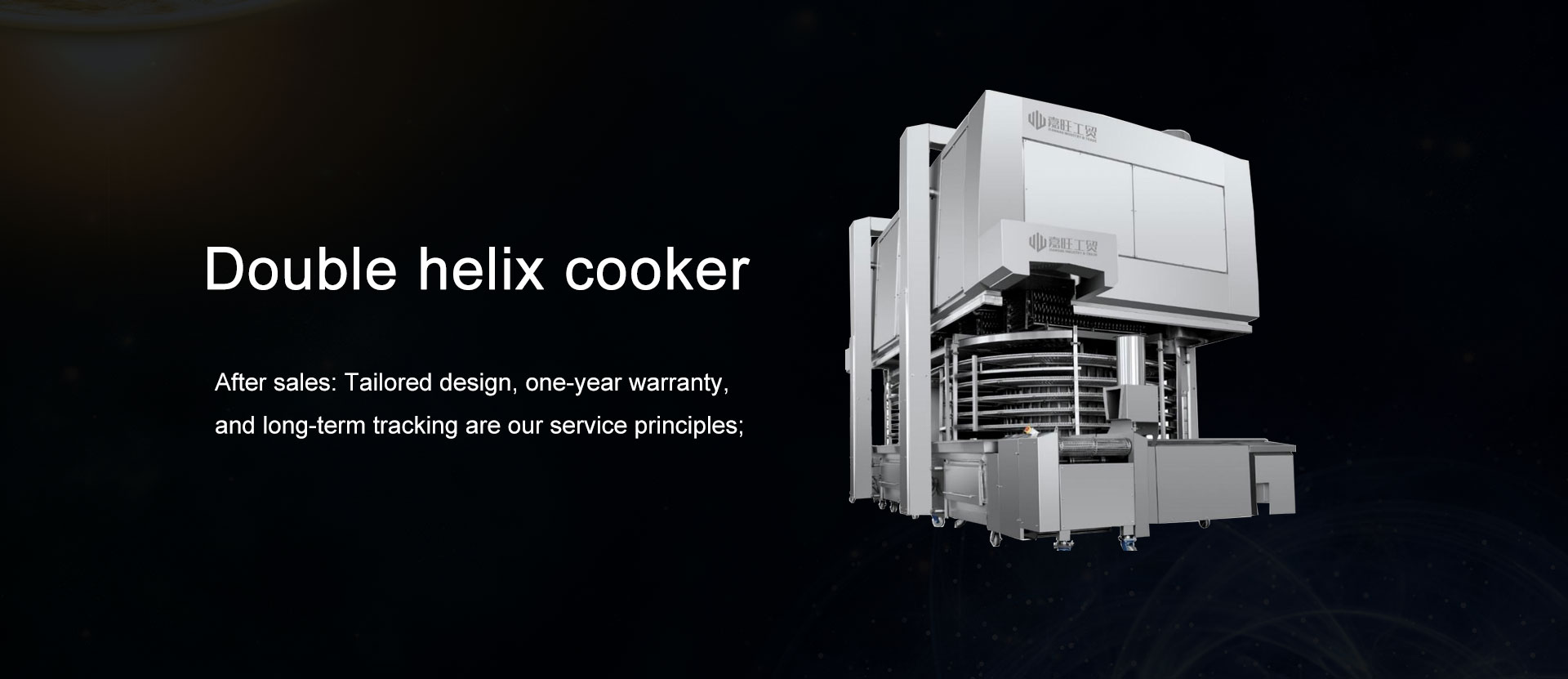
In larger lines, fryers may also sit near steam tunnel machines, double helix cookers, or steaming and baking machines.
When capacities are mismatched, oil turnover and idle heating raise operating cost.
What are the most common mistakes when judging oil fryer price?
One mistake is comparing only tank size and output.
Those numbers matter, but they do not show thermal efficiency or cleaning difficulty.
Another mistake is ignoring service structure.
A moderate oil fryer price can become expensive if replacement parts are specialized or slow to source.
Some buyers also overlook line compatibility.
If the fryer does not connect smoothly with oil filters, oil tanks, or feeding equipment, daily operation becomes less efficient.
So how should offers be compared in 2026?
A practical method is to compare three numbers together: purchase cost, annual operating cost, and expected maintenance cost.
Ask suppliers for data on oil loss, heating stability, filter design, cleaning time, and common spare parts.
Also check whether the fryer will work with related process equipment, including batter coating equipment, when crumb load or coating consistency matters.
The best oil fryer price is usually the one that keeps output steady while reducing oil waste, service stops, and labor pressure.
Before shortlisting, build a simple comparison sheet using your real production hours, oil replacement cycle, and maintenance assumptions.
That step turns a price discussion into a total ownership decision.
Online Consultation