


How to Audit an Oil Fryer Factory for Stable Quality and Delivery
How to Audit an Oil Fryer Factory for Stable Quality and Delivery
Choosing the right oil fryer factory is critical for buyers who need consistent product quality, on-time delivery, and long-term supply stability.
In the baking equipment market, a factory audit shows what brochures cannot.
It helps confirm real capacity, process control, and risk exposure before orders start.
A reliable oil fryer factory should prove stable output, traceable quality, and predictable lead times.
Start with Production Reality
First, compare claimed capacity with what is visible on the shop floor.
Check how many assembly lines are active, not just installed.
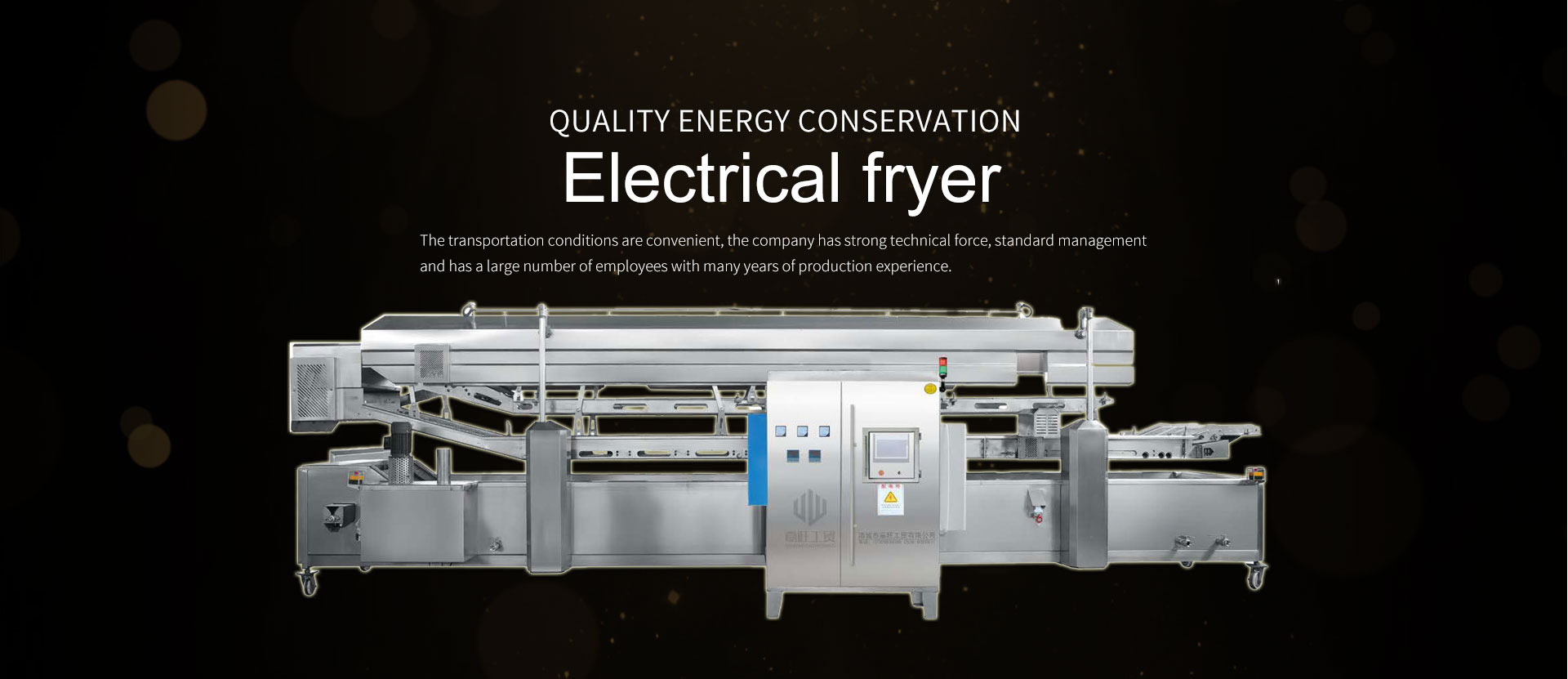
Ask for monthly output records for electrical fryer, oil fryer, oil filter, oil tank, and steam equipment.
A capable oil fryer factory should also show line balancing and labor planning during peak periods.
- Live work orders and production boards
- Equipment utilization by shift
- Bottlenecks in welding, polishing, wiring, or testing
- Backup capacity for urgent orders
Review Quality Control in Detail
Stable quality depends on process discipline, not only final inspection.
Ask the oil fryer factory how incoming materials are checked and recorded.
Focus on stainless steel grades, heating parts, temperature controls, pumps, and electrical components.
Then inspect in-process checkpoints for welding quality, sealing, wiring safety, and temperature accuracy.
More importantly, confirm whether failed units are isolated and reworked with records.
- IQC, IPQC, and final inspection forms
- Calibration status of testing tools
- Serial number traceability
- Corrective action records from past complaints
Check Delivery Risk Beyond Lead Time
Many suppliers promise fast delivery, but actual risk sits upstream.
Ask which components are made in-house and which are outsourced.
A dependable oil fryer factory should manage key suppliers with approved vendor lists and delivery ratings.
This matters even more when projects include matching lines, such as a wet crumb coater beside frying equipment.
In actual sourcing, linked equipment increases scheduling complexity and coordination pressure.
- Request the last six months of on-time delivery data.
- Review open purchase orders for delayed materials.
- Confirm finished goods packing and export readiness.
Assess Engineering and After-Sales Strength
A strong oil fryer factory should support customization without losing consistency.
Review drawings, BOM control, change approval flow, and version management.
If design changes are handled casually, repeat orders often become unstable.
Also check spare parts policy, remote support response time, and warranty case handling.
This is a useful point to see whether related systems, including a second wet crumb coater, follow the same support standard.
Use a Simple Audit Scorecard
To compare suppliers fairly, score each oil fryer factory across the same criteria.
Final Decision Point
A good audit does more than qualify an oil fryer factory.
It shows whether the supplier can protect cost, quality, and delivery at the same time.
Before placing volume orders, verify records, observe real production, and test how the team answers hard questions.
That approach gives a clearer view of long-term supply stability and leads to stronger sourcing decisions.
Online Consultation