

Oil Fryer Supplier Selection: 7 Risks That Delay Equipment Projects
Oil Fryer Supplier Selection: 7 Risks That Delay Equipment Projects
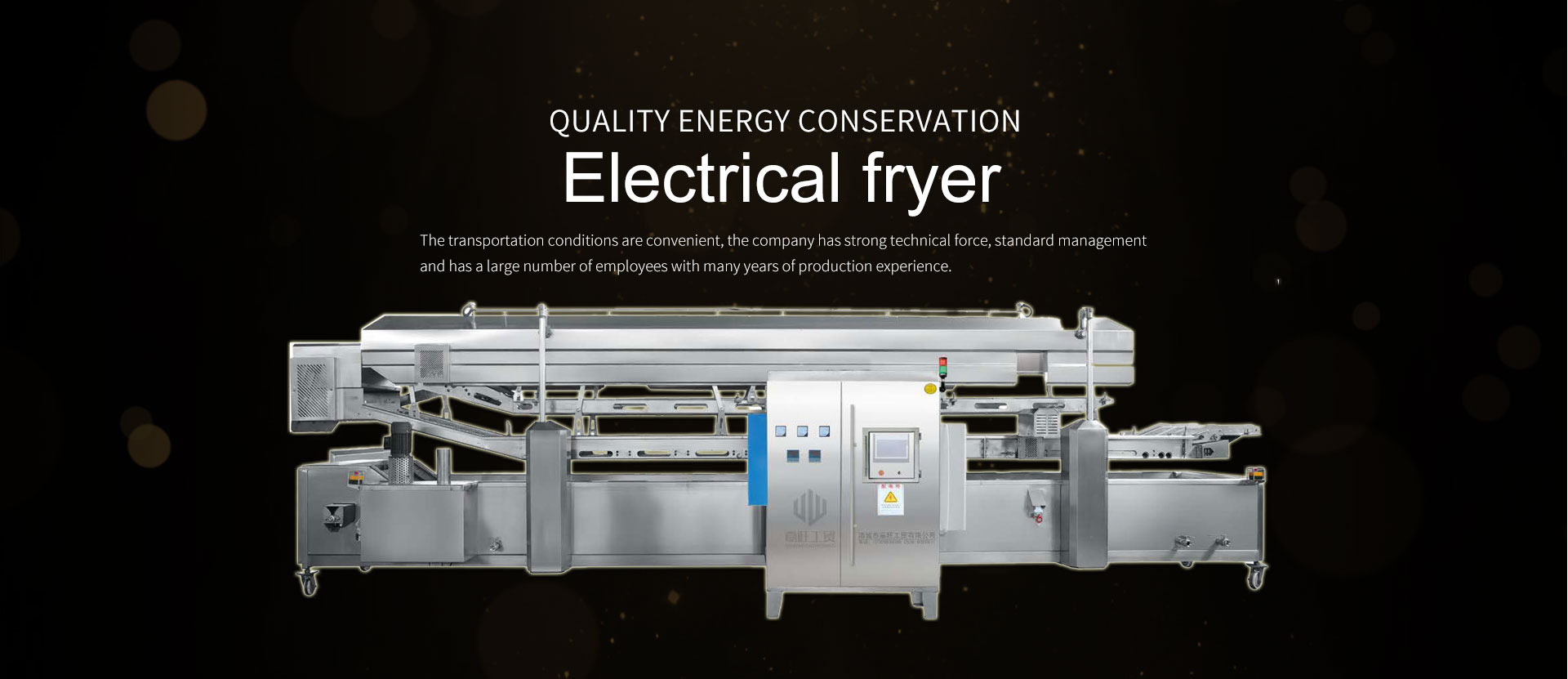
Choosing the right oil fryer supplier often decides whether a project moves smoothly or stalls at a critical stage.
In baking equipment projects, delays rarely come from one obvious mistake.
More often, they start with small gaps in supplier evaluation, then grow during design, delivery, and commissioning.
If you are comparing an oil fryer supplier, these seven risks deserve close attention before any purchase decision is made.
1. Weak Technical Clarification at the Start
A common problem starts before the order is placed.
Some oil fryer supplier teams quote quickly but ask too few technical questions.
That creates mismatches in capacity, heating method, product type, oil circulation, and factory utility conditions.
A better supplier will confirm throughput, product characteristics, temperature range, and installation limits before finalizing the proposal.
2. Incomplete Layout and Interface Coordination
Project delays often appear during layout review.
An oil fryer supplier may provide equipment dimensions, but not full interface details.
Missing drain directions, maintenance space, control cabinet access, and conveyor height can force redesign on site.
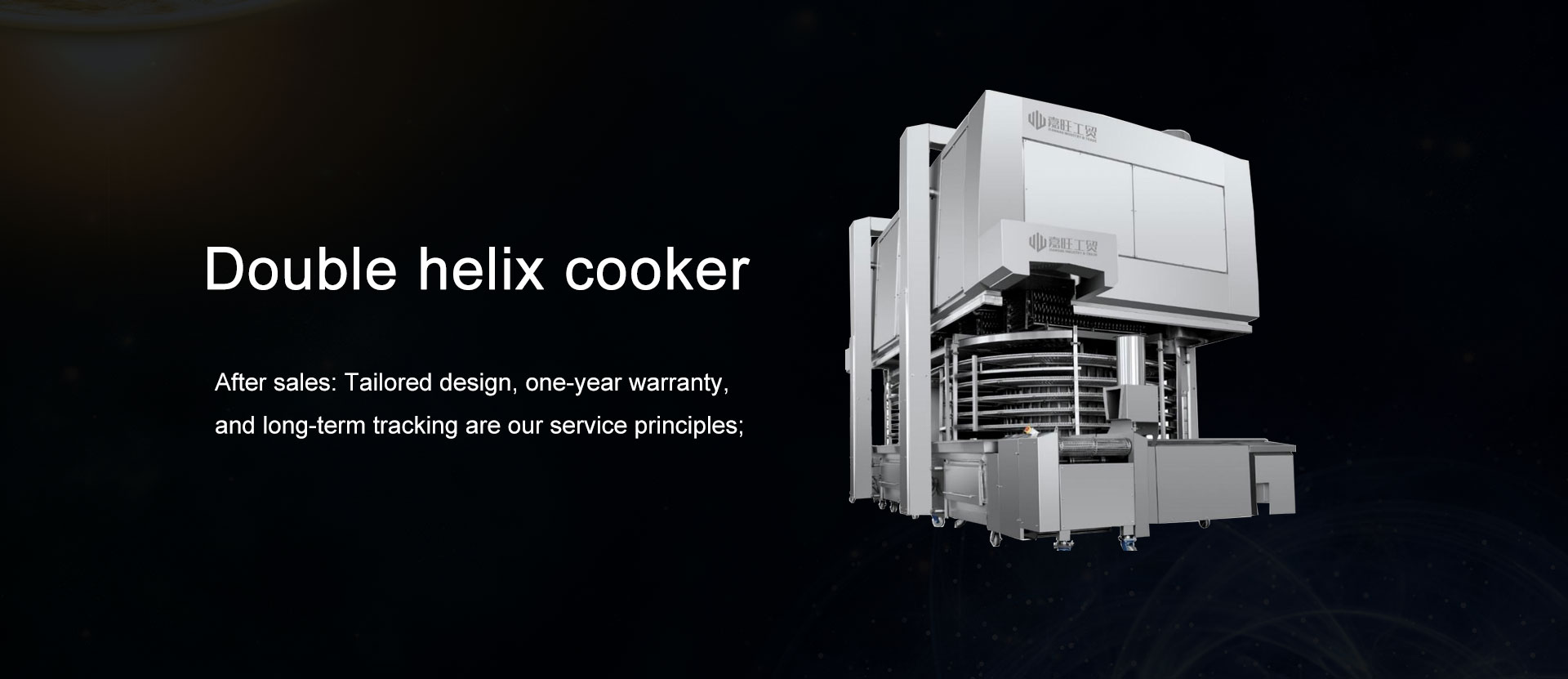
This matters even more when the line includes linked systems such as an Steaming and baking machine or upstream feeding equipment.
3. Overpromised Lead Times
Fast delivery promises sound attractive, but they can hide major risk.
Some oil fryer supplier quotes use ideal production schedules, not real ones.
If key parts depend on subcontractors, imported components, or custom fabrication, one delay can affect the full project timeline.
Ask for a milestone schedule covering design approval, fabrication, testing, shipping, and installation readiness.
4. Limited Experience With Integrated Baking Lines
Not every oil fryer supplier understands full-line coordination.
A supplier may know fryer manufacturing well, yet struggle with line balancing and process continuity.
In real projects, fryer performance affects oil filtering, cooling, conveying, and product consistency.
Recent market changes make this more visible, especially where frying is combined with steaming or baking sections.
5. Weak FAT and Commissioning Support
Factory acceptance testing is often underestimated.
A reliable oil fryer supplier should define what will be tested before shipment.
That includes temperature control, conveyor speed, oil turnover, safety interlocks, and cleaning access.
Without that step, site commissioning becomes longer, more expensive, and harder to control.
6. Poor Spare Parts and Service Planning
A project is not truly complete when the machine arrives.
An oil fryer supplier should also support startup stability after handover.
If spare parts lists are vague, maintenance teams lose time identifying heaters, sensors, pumps, and control elements.
This also means slower recovery when a line includes related systems like a second Steaming and baking machine or holding equipment.
7. Price-Only Decision Making
The lowest quote is not always the lowest project cost.
When choosing an oil fryer supplier, low pricing can exclude testing, documentation, installation guidance, or service response commitments.
That usually shifts cost and risk back to the project team later.
A strong decision compares total value, technical fit, schedule reliability, and post-installation support.
A Practical Supplier Checklist
- Confirm process requirements before quotation approval.
- Review full layout, utilities, and maintenance clearances.
- Check lead time by milestone, not by headline promise.
- Verify integrated line experience in baking equipment projects.
- Request FAT scope, commissioning plan, and training details.
- Review spare parts lists and service response terms.
- Compare total project risk, not price alone.
Selecting the right oil fryer supplier is really a risk control exercise.
When evaluation is detailed early, equipment projects move faster, installation becomes cleaner, and production startup is far more predictable.
Online Consultation