

How to Compare Oil Fryer Manufacturers for OEM and Custom Line Needs
Choosing an oil fryer manufacturer for OEM or custom line projects affects more than purchase cost. It shapes output stability, product quality, service response, and how well a baking equipment portfolio fits local market demand.
In practical terms, the best comparison goes beyond fryer body material or heating power. A reliable oil fryer manufacturer should match line design, filtration logic, oil management, and downstream production goals.
What should be compared first
The first step is understanding whether the supplier builds single machines or complete processing solutions. That difference matters in baking-related production where frying often connects with proofing, steaming, baking, cooling, or packaging.
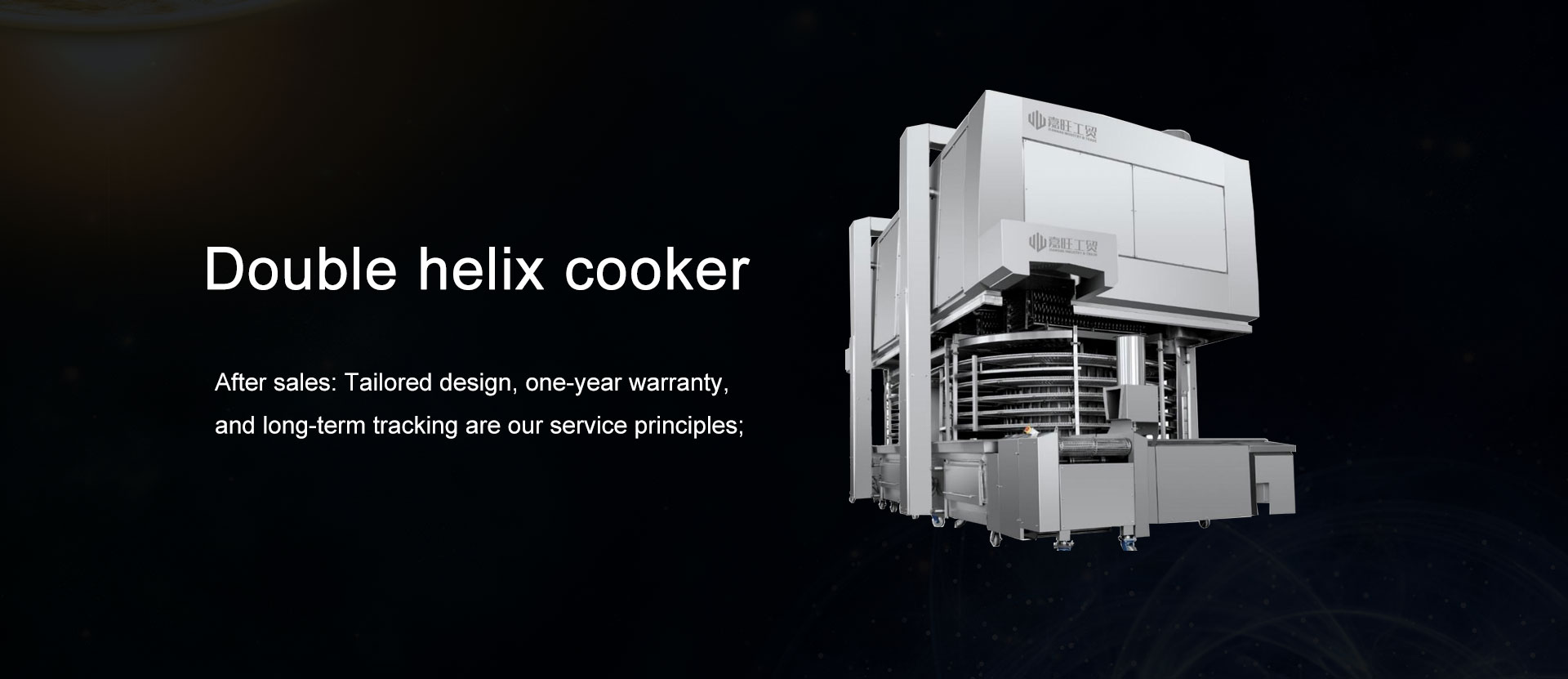
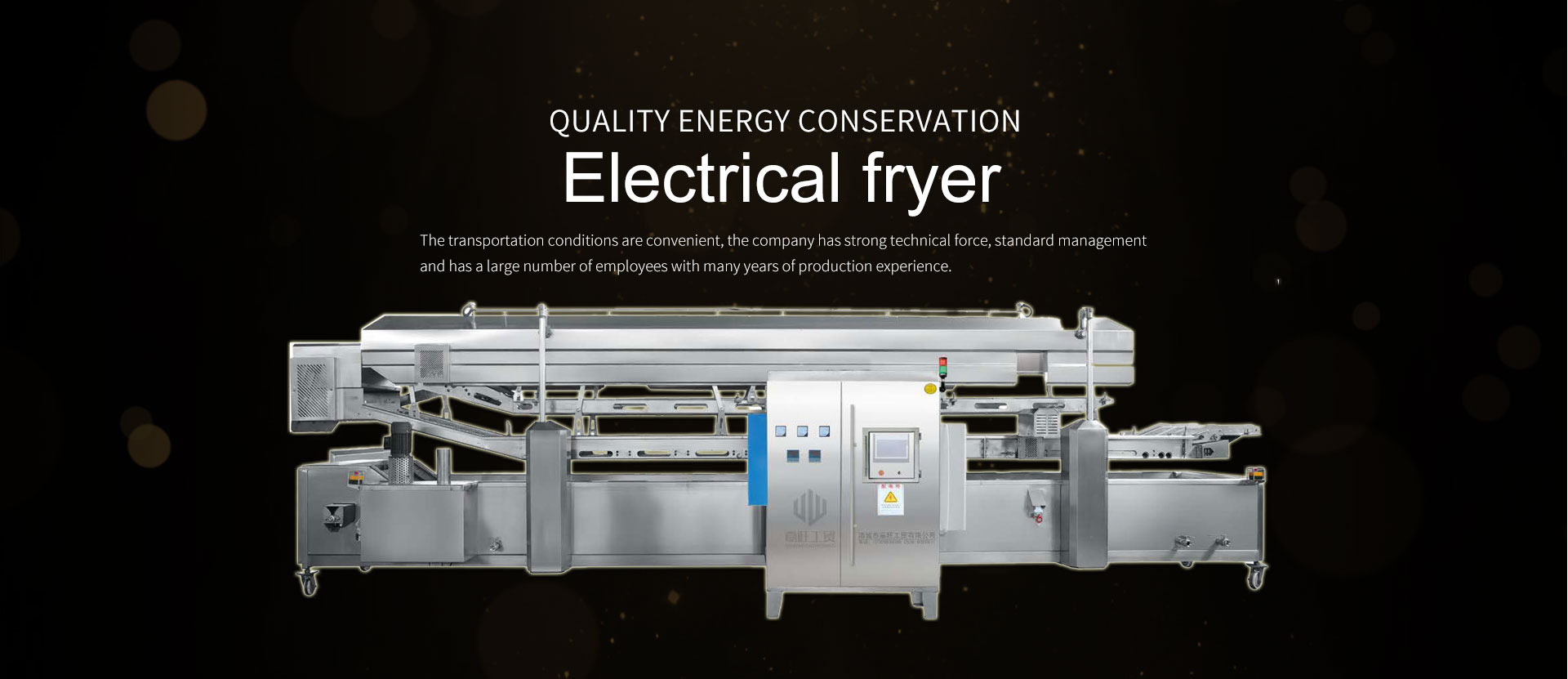
An experienced oil fryer manufacturer usually supports more than one equipment category. That may include electrical fryer systems, oil filters, oil tanks, steam tunnel machines, double helix cookers, steaming and baking machines, and steam cabinets.
This broader capability helps when a custom line needs coordinated controls, balanced output, and consistent product handling between stages.
OEM capacity is not only about factory size
Many buyers focus on workshop scale, but OEM strength is better measured through execution. The real questions are whether drawings become stable machines, and whether repeat orders stay consistent.
When comparing suppliers, check these points:
- Material standards for tanks, frames, and food-contact sections
- Heating control accuracy and oil temperature stability
- Oil circulation, filtering, and residue management design
- Lead time reliability for standard and modified models
- Documentation, test records, and export support
A capable oil fryer manufacturer should explain not just what the machine does, but how it performs under real production loads.
How custom line needs change the evaluation
Custom projects require a wider view. Capacity matching between the fryer and upstream or downstream equipment often decides whether a line runs smoothly or creates bottlenecks.
For example, if a line includes continuous frying plus post-cooking transfer, a supplier with integrated process knowledge is usually more useful than one offering isolated equipment only.
In some cases, related systems such as a Continuous cooking machine show whether the manufacturer understands continuous thermal processing rather than batch-only production.
Key custom line questions
Service quality often appears after installation
Price differences between suppliers can look small at quotation stage. The larger gap often appears later, when spare parts, commissioning support, and troubleshooting speed start affecting daily operation.
A dependable oil fryer manufacturer should offer clear maintenance guidance, parts lists, response timelines, and technical communication that is easy to follow.
This is especially important for lines that combine fryers with oil filters and tanks, where poor coordination can reduce oil life and disrupt output.
A practical way to narrow the shortlist
It helps to compare suppliers against one product category and one line scenario at the same time. That makes technical differences easier to see.
- Prepare a target output range and product description
- Ask each oil fryer manufacturer for process recommendations, not only pricing
- Review heating, filtration, and oil recovery logic
- Check whether connected equipment is available from the same source
- Request references or test data for similar applications
Where process continuity matters, equipment beyond the fryer itself, including options like a Continuous cooking machine, can reveal how complete the supplier’s engineering approach really is.
Moving from comparison to decision
A strong selection process balances machine quality, process compatibility, and long-term support. The most suitable oil fryer manufacturer is usually the one that can translate production goals into a stable, maintainable line.
Before making a final decision, organize requirements by output, product type, utility conditions, and expansion plans. That structure makes supplier comparisons more objective and helps identify which proposal will remain workable over time.
Online Consultation