

Oil Fryer Temperature Control Problems That Affect Product Color and Texture
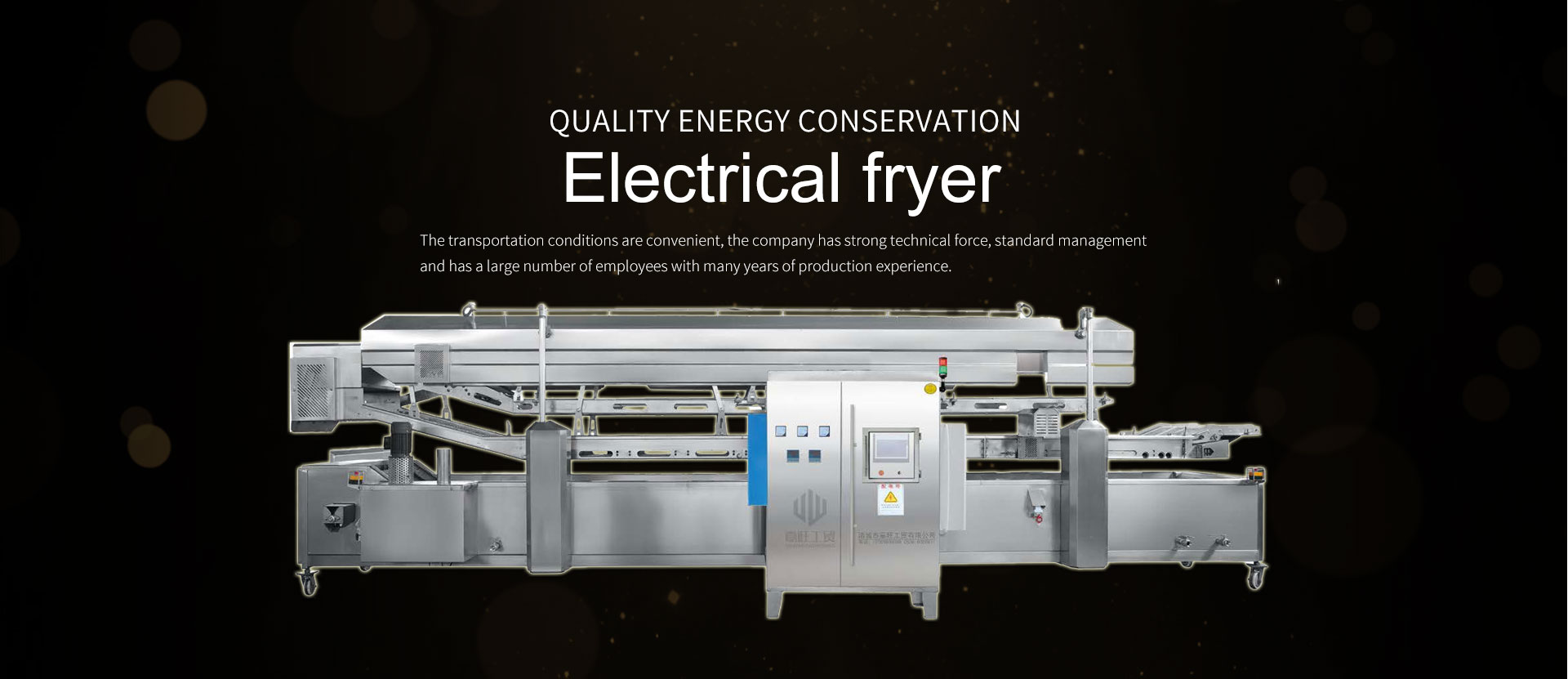
When an Oil fryer fails to maintain stable temperature, product color can turn uneven and texture may become too greasy, dry, or overly hard. For operators in baking and food processing lines, temperature control problems not only reduce product quality but also increase oil waste and production losses. Understanding the common causes behind these issues is the first step to achieving consistent frying results, better efficiency, and a more reliable production process.
In day-to-day production, temperature problems rarely come from a single fault. Operators often notice the symptom at the product level first: one batch comes out pale, the next too dark, the surface looks correct but the core feels dense, or oil absorption suddenly rises. In most cases, the fryer is still heating, but it is no longer controlling heat in a stable and repeatable way.
Why color and texture change so quickly when fryer temperature drifts
Frying quality depends on heat transfer happening at the right speed. If oil temperature is lower than the set point during loading, moisture escapes too slowly, so the product absorbs more oil and the crust develops late. The result is often a greasy bite, weak structure, and pale color. If the temperature overshoots, the outer layer browns too fast before the inside reaches the desired condition, causing hard crust, uneven color, or a dry finish.
This is why operators should not judge the fryer only by the controller display. A displayed set temperature and the actual oil temperature around the product are not always the same thing, especially during heavy loading, line speed changes, or after repeated cycles.
Common temperature control problems behind uneven frying results
Sensor inaccuracy is one of the most common causes. A temperature probe coated with carbonized oil residue, placed in a poor circulation zone, or starting to fail can send delayed or false readings. The machine may appear stable on screen while the real frying zone is fluctuating.
Heating response that is too slow also creates quality drift. If heating elements cannot recover quickly after cold product enters the fryer, oil temperature drops sharply and stays low too long. This becomes visible in high-throughput lines where the first trays after loading look different from later ones.
Controller tuning problems are another overlooked issue. Even with a good sensor and sufficient heating power, poor control logic can cause repeated overshoot and undershoot. Operators may see a pattern where color alternates between too light and too dark from batch to batch.
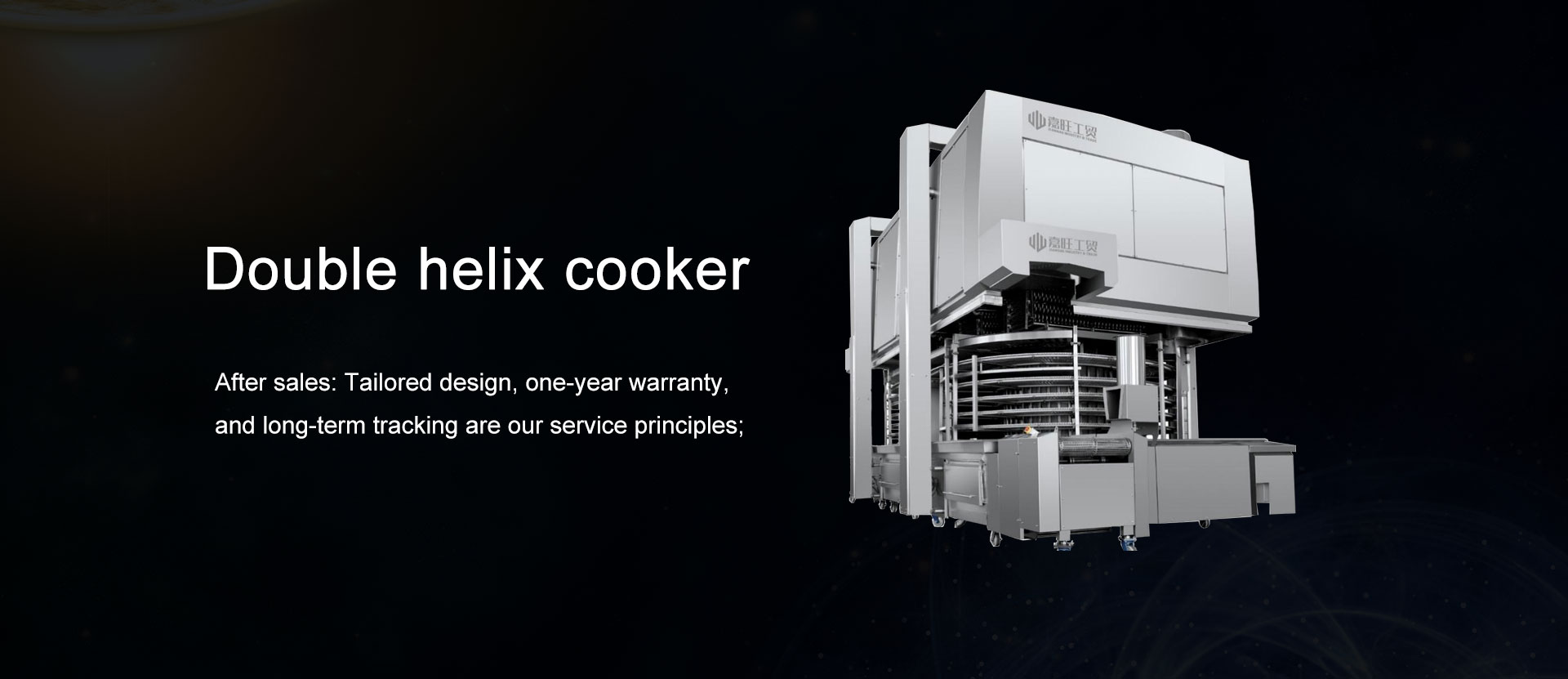
Oil circulation problems matter as much as the heater itself. If oil flow is uneven, some zones run hotter while others stay cooler. This often causes mixed color within the same batch. In continuous processing lines, non-uniform heat distribution upstream can also make downstream frying less predictable. Some processors reduce this variation by improving pre-cooking consistency before frying, using equipment such as a Double helix cooker where product heating is controlled more evenly before it reaches the oil stage.
Oil degradation should not be ignored. Old oil transfers heat differently and breaks down faster under unstable control. As free fatty acids, crumbs, and fine particles increase, operators may see darker color develop faster even when recipe settings have not changed. In this case, the problem is not only temperature control but also the condition of the frying medium.
What operators should check before changing the recipe
When color and texture shift, the first reaction is often to adjust frying time or set temperature. That may hide the real problem and make control worse later. A better approach is to check the process in sequence.
Confirm whether the displayed temperature matches an independent measurement at the actual frying zone. If there is a gap, inspect the probe condition, installation position, and calibration status. Then observe temperature recovery after product loading. A fryer that drops too far or recovers too slowly is telling you more about capacity or control response than about the recipe.
Next, look at loading consistency. Irregular batch size, inconsistent product thickness, or sudden line interruptions can all create apparent temperature problems. In practice, many “fryer faults” are really process variation entering the fryer.
Also inspect oil turnover and filtration discipline. Heavy crumb load and infrequent filtration create hot spots, smoke, darkening, and unstable product finish. If your operation includes multiple thermal steps, upstream equipment performance also matters. A line that uses steaming, pre-cooking, or staged heating may need balancing across the whole process rather than further adjustment inside the fryer alone.
Signs the issue is mechanical, not operational
If trained operators are following the same procedure but product quality still drifts unpredictably, the cause may be mechanical. Repeated temperature lag, localized scorching, heater cycling that sounds excessive, or a controller reading that changes slowly compared with actual product response are all warning signs.
This is also where maintenance and production teams need to communicate using product evidence, not only machine alarms. Record when defects happen: at startup, after cleaning, during peak loading, or near the end of an oil cycle. Those patterns often point directly to weak components, circulation restrictions, or control instability.
Reducing repeat losses on the line
Stable frying is less about chasing one perfect set point and more about keeping the whole heat system consistent: sensor accuracy, oil quality, circulation, heating recovery, and feed uniformity. Operators who treat color and texture changes as process signals rather than isolated defects usually solve problems faster.
Where product variation begins before frying, improving upstream thermal consistency can reduce fryer burden and improve final appearance. In integrated lines, equipment choices such as a Double helix cooker may help stabilize the product condition entering the fryer, which in turn makes color control easier and texture more repeatable.
For most production teams, the key question is not whether the Oil fryer heats up, but whether it can recover, distribute, and control heat consistently under real operating load. That is what determines whether product color stays uniform, texture remains on spec, and oil consumption stays under control.
Online Consultation