

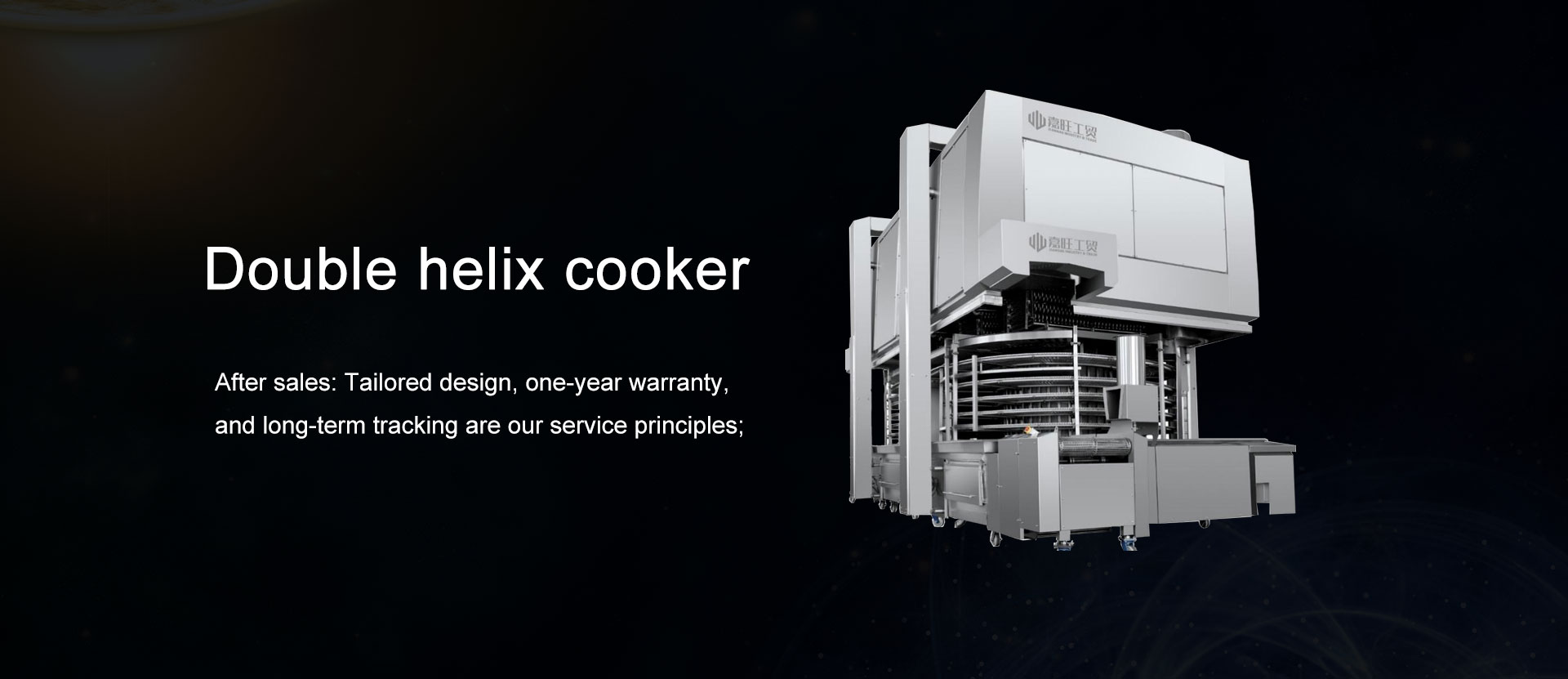
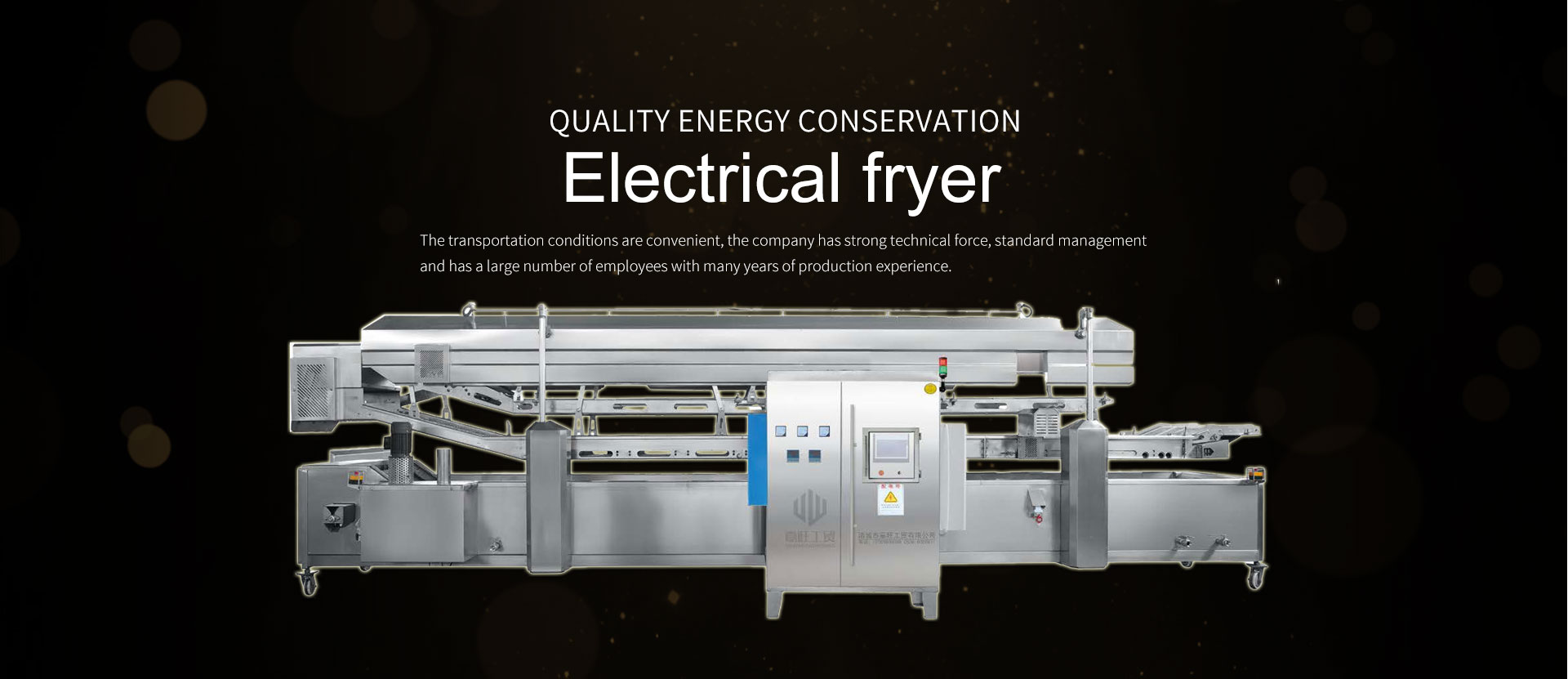
Common Performance Issues in Continuous Steaming and Cooking Machines and Fixes
In daily production, a continuous steaming and cooking machine can face issues like uneven heating, steam instability, conveyor jams, and rising energy use. For after-sales maintenance teams, identifying these problems early is key to reducing downtime and protecting product quality. This guide outlines the most common performance issues, their root causes, and practical fixes to help keep steaming and cooking systems running efficiently and reliably.
What Maintenance Teams Need to Diagnose First
When a continuous steaming and cooking machine starts underperforming, the first priority is not replacing parts blindly. Maintenance teams need to confirm whether the issue comes from heat transfer, steam supply, material movement, or control response.
Most field problems show up first in product consistency. If operators report uneven texture, color variation, incomplete cooking, or excessive moisture loss, the machine is already giving clear signs that a core process condition has drifted.
A practical inspection should begin with temperature records, steam pressure stability, conveyor tracking, and actual product load. These four checkpoints usually reveal whether the fault is mechanical, thermal, or related to process settings.
Uneven Heating and Inconsistent Product Results
Uneven heating is one of the most common complaints in a continuous steaming and cooking machine. It often appears as undercooked sections, inconsistent internal temperature, or different surface conditions across the same production batch.
The root causes are usually blocked steam distribution, scale buildup inside heat-transfer paths, worn insulation, or incorrect belt speed. In some cases, product loading is too dense, preventing steam from reaching all surfaces evenly.
Start by checking steam inlet balance, nozzle condition, chamber cleanliness, and belt loading pattern. Verify whether sensors are reading correctly, because false temperature feedback can cause the control system to maintain the wrong heating profile.
If scale or residue is restricting transfer efficiency, cleaning should be prioritized before any component replacement. Regular descaling and chamber inspection often restore stable cooking performance faster than adjusting settings alone.
Steam Instability and Pressure Fluctuation
Steam instability usually causes cooking variation, poor throughput control, and higher product rejection. For after-sales teams, this problem should be treated as both a utility issue and a machine-side control issue.
Common causes include leaking valves, poor pressure regulation, condensate accumulation, faulty traps, and undersized supply lines. A sudden drop in steam quality can also come from unstable upstream equipment or poor condensate return management.
Check whether pressure remains stable during peak load instead of only during idle operation. Many systems appear normal when empty but lose performance once full production begins and steam demand rises sharply.
Where thermal support equipment is involved, the condition of connected components also matters. In some processing lines, support units such as an Oil tank affect overall utility organization and maintenance access, which can influence service efficiency.
Conveyor Jams, Tracking Problems, and Throughput Loss
When the conveyor starts jamming, drifting, or running unevenly, the continuous steaming and cooking machine cannot maintain stable dwell time. That immediately affects cooking uniformity and often creates unnecessary stoppages.
Typical causes include chain wear, misaligned sprockets, belt tension imbalance, debris buildup, and bearing damage. In food production environments, residue accumulation can gradually push a conveyor out of alignment before the problem becomes obvious.
Inspect wear points during shutdowns and compare both sides of the conveyor path. If one side shows faster wear, there is usually a tracking or loading issue that will continue unless the root alignment problem is corrected.
Lubrication quality also matters, but it must match food equipment standards and the machine maker’s recommendations. Over-lubrication can attract contamination, while under-lubrication increases friction, noise, and premature component failure.
Rising Energy Use Without Clear Output Gains
If energy consumption increases while throughput stays flat, the machine is losing thermal efficiency somewhere. This is a serious warning sign because it raises operating cost and often signals hidden reliability problems.
Heat loss from damaged insulation, leaking steam joints, poor door sealing, and fouled heat-transfer surfaces are frequent causes. Incorrect production settings can also keep the system running hotter or longer than necessary.
Maintenance teams should compare current steam use, cycle behavior, and product output against historical baselines. A trend review often identifies gradual deterioration that daily observation alone may miss.
It is also worth checking whether nearby support equipment is contributing to inefficiency. In integrated lines, poor maintenance access around units such as an Oil tank can delay inspections and allow small thermal losses to persist longer than they should.
How to Build a More Reliable Preventive Routine
Reactive repair is expensive in continuous thermal processing. A better approach is to combine visual checks, performance trending, and scheduled cleaning with targeted inspection of sensors, valves, traps, belts, and insulation points.
Create maintenance records around symptoms instead of only around replaced parts. Tracking issues such as pressure drift, temperature deviation, and belt correction frequency gives a clearer picture of which fault patterns are repeating.
It also helps to separate operator settings issues from hardware failures. Not every product defect is caused by machine damage, and not every alarm means a major repair is needed. Good diagnosis reduces unnecessary downtime and spare-parts use.
Conclusion
The most common performance issues in a continuous steaming and cooking machine usually come down to unstable heat delivery, poor steam control, conveyor movement faults, or declining thermal efficiency. These problems directly affect product quality and production uptime.
For after-sales maintenance teams, the most effective fix is structured diagnosis. When inspections focus on process symptoms, utility stability, mechanical movement, and trend data together, faults can be solved faster and prevented more reliably.
Online Consultation