

Oil Fryer Factory vs Trading Company: Which Is Better for Custom Projects?
When sourcing equipment for a custom food-processing line, choosing between an oil fryer factory and a trading company can directly affect cost, communication, lead time, and engineering accuracy. For project managers and engineering leaders, the right partner is not just a supplier but a critical part of project execution. This article explores the key differences to help you select the best option for customized bakery and thermal processing equipment.
What Buyers Are Really Trying to Decide
When users search for “oil fryer factory,” their core intent is usually practical, not academic. They want to know which supplier type can deliver a custom project with lower risk.
For project managers, the concern is rarely just unit price. The real question is which partner can translate process requirements into reliable equipment without delays, design mistakes, or costly rework.
That is why the most useful comparison focuses on engineering capability, communication efficiency, quality control, schedule reliability, and after-sales support instead of generic company introductions.
Short Answer: Factory Is Usually Better for Custom Projects
For standard, off-the-shelf equipment, a trading company can be acceptable. For custom bakery and thermal processing lines, an oil fryer factory is usually the stronger choice.
A factory has direct access to design, production, testing, and technical adjustment. That shortens the path between your specification and the final machine delivered to site.
If your project includes layout constraints, utility matching, product texture targets, oil management, or line integration, direct factory involvement usually improves decision speed and engineering accuracy.
Where a Factory Creates More Value
The biggest advantage of working with an oil fryer factory is technical ownership. The people discussing your project are closer to the engineers, fabricators, and quality team actually building the equipment.
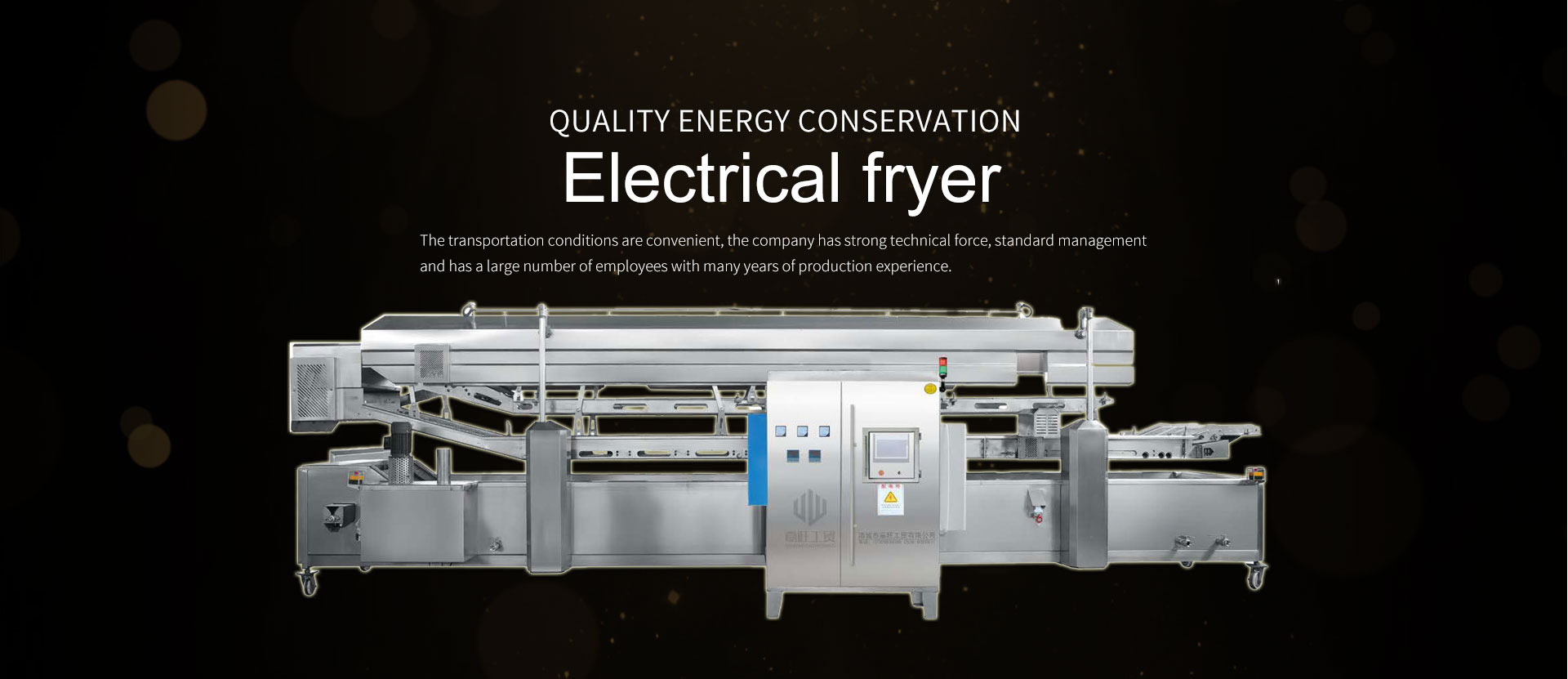
This matters when your line includes linked systems such as electrical fryers, oil filters, steaming units, tunnel equipment, or an Oil tank that must match flow, capacity, and plant layout.
Direct access reduces the risk of message loss. Instead of passing requirements through multiple layers, your team can confirm heating method, material grade, control logic, and commissioning needs more clearly.
Factories also tend to be more flexible during revision stages. If a fryer width, conveyor speed, or oil circulation detail must change, internal coordination is generally faster than through a trading intermediary.
Where a Trading Company Can Still Be Useful
A trading company is not automatically the wrong choice. In some cases, it can simplify procurement, especially if you need several categories of equipment from different manufacturers in one purchase.
If the trader has strong technical knowledge and long-term factory relationships, they may help with supplier comparison, export handling, and communication across product categories.
That said, the value of a trading company depends heavily on execution quality. Some add real coordination support, while others mainly add markup and slow down technical clarification.
The Risks Project Managers Should Watch Closely
The main risk of using a trading company for custom equipment is diluted accountability. When a specification gap appears, it can become unclear who owns the design decision and who must solve it.
This often shows up in drawing approval, material confirmation, heating performance, installation interfaces, or control-system details. Each extra communication layer increases the chance of misunderstanding.
Lead time visibility can also become weaker. A trader may quote confidently, but if they do not control production scheduling directly, your project timeline becomes harder to verify and manage.
By contrast, an oil fryer factory can usually provide more direct updates on fabrication progress, testing status, and change impact, which is important for site planning and utility preparation.
How to Evaluate the Right Partner Before You Commit
Start by asking who will handle technical communication after the quotation stage. If the answer is unclear, that is an early warning sign for a custom project.
Next, review whether the supplier can provide process-based recommendations, not just product brochures. Serious partners should ask about product type, output target, energy source, oil control, and plant conditions.
Also check whether they can show fabrication photos, test procedures, reference projects, and clear drawings. These are stronger signals than polished sales language.
If your system includes upstream or downstream thermal modules, filtration, transfer sections, or a second Oil tank arrangement, integration experience becomes even more important.
Finally, compare total project cost rather than purchase price alone. Rework, delayed startup, and poor commissioning support can cost far more than an initial price difference.
Best Choice by Project Type
If you are buying a simple, standard fryer with limited customization, a capable trader may be efficient enough. The decision is less risky when specifications are fixed and easy to verify.
If you are building or upgrading a customized production line, a factory is usually the better fit. The more your project depends on engineering coordination, the more valuable direct manufacturer access becomes.
This is especially true in bakery and thermal processing applications where fryer performance must align with product consistency, oil handling, sanitation standards, and connected equipment behavior.
Conclusion
For project managers and engineering leaders, the best choice depends on project complexity. But in most custom equipment cases, an oil fryer factory offers stronger control over design, communication, lead time, and technical accuracy.
A trading company can still help in selected procurement scenarios, but it should prove real technical and coordination value. If custom performance and project reliability matter most, direct factory partnership is usually the smarter route.
Online Consultation