

Electrical Fryer or Oil Fryer: Which Option Fits Your Processing Line Better?
Electrical Fryer or Oil Fryer: Which Option Fits Your Processing Line Better?
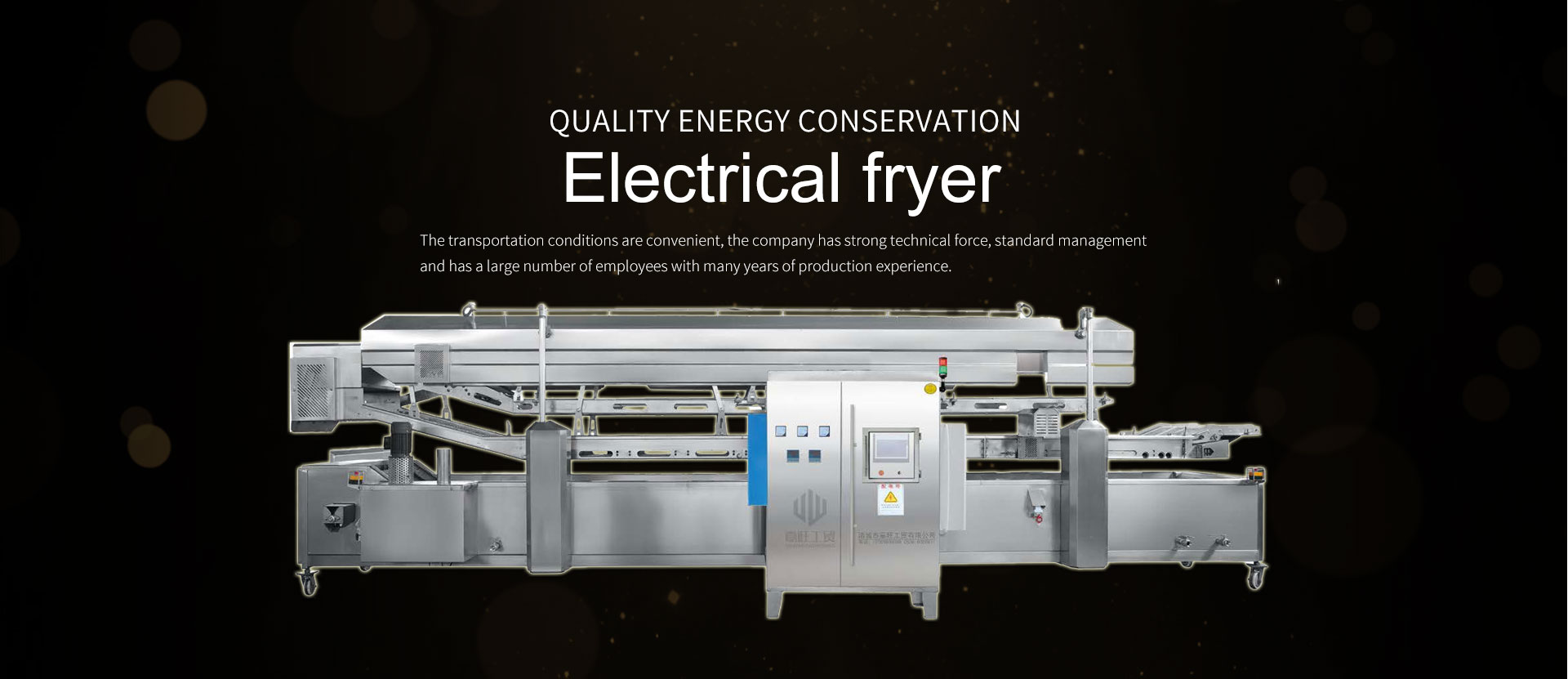
Choosing between an Electrical fryer and an oil-fired fryer is not a small equipment decision. In bakery and food processing lines, it affects temperature stability, product color, oil life, cleaning routines, utility planning, and even how smoothly the fryer connects with proofing, steaming, baking, cooling, or packaging sections. On paper, both options can deliver fried products. In practice, the better choice usually comes down to how your line runs every day.
If your operation values tight temperature control, cleaner indoor installation, and simpler energy management inside the plant, an Electrical fryer often has the edge. This is especially true for products where color consistency matters a lot, such as dough-based snacks, filled bakery items, or coated products that can quickly show temperature fluctuation. Electric heating is commonly preferred when operators want finer adjustments and less dependency on combustion-related setup.
That said, the comparison is not only about control accuracy. Output matters. Some processors assume electric is automatically the modern choice, but that is not always the most practical answer for high-throughput lines. If your production target is large and continuous, the real question is whether the heating system can recover fast enough after product loading and whether the fryer can maintain a stable thermal balance across the full width of the conveyor. A fryer that looks good in a showroom can struggle once the line is running at full load.
What usually changes the decision
For many factories, utility conditions decide more than preference does. Electrical systems may be easier to integrate where power capacity is already planned and local energy pricing is predictable. Oil-fired systems can make sense where thermal energy cost is lower or where the plant already supports fuel-based heating equipment. This is why fryer selection should be discussed together with the broader line, not in isolation. The same factory may also be evaluating steam tunnel machines, steaming and baking machines, steam cabinets, or double helix cookers, and those upstream or parallel processes can influence the most efficient heat strategy overall.
Maintenance is another point that gets underestimated. An Electrical fryer may reduce some combustion-related maintenance, but it still requires attention to heating elements, control systems, oil circulation, and filtration. An oil-fired system introduces burner and heat-exchange considerations, which can be completely manageable, but only if the service capability on site is realistic. Decision-makers often focus on purchase price and miss the cost of downtime caused by cleaning difficulty, spare parts availability, or operator error.
Oil management should also be part of the conversation. The fryer is only one piece; oil filters and oil tanks affect product quality just as much over time. If your product generates crumbs, fillings, or coatings, filtration design becomes critical. In some projects, a well-matched frying and filtration setup does more for consistency than switching heat source alone. That is why some processors reviewing an Oil fryer also look closely at oil circulation and cleaning access before deciding.
A practical way to evaluate fit
Instead of asking which fryer is better in general, ask a narrower set of questions:
Can the fryer hold stable temperature during your actual loading pattern, not just empty-line testing? How quickly can operators clean the tank, belt, and residue points? Does the layout support safe oil transfer and filtration? Will the fryer integrate smoothly with upstream feeding and downstream de-oiling or cooling? And just as important, does your plant team have the habit and capacity to maintain the system properly?
For shorter runs, frequent product changeovers, or facilities where indoor environmental control is a concern, electrical heating often feels easier to manage. For larger, continuous production with a suitable energy setup, fuel-heated options may remain attractive. Neither choice is automatically superior. The wrong decision usually comes from evaluating heat source without considering product behavior, oil handling, and line integration.
A good fryer should fit the process around it. If you are comparing options, review the heating method together with filtration, tank design, conveying style, and the rest of the thermal equipment on the line. That is usually where the better long-term decision becomes clear.
Online Consultation