

Continuous Steaming and Cooking Machine Selection Guide for Large-Scale Food Plants
If you are comparing a continuous steaming and cooking machine for a large food plant, the real question is not simply “How many kilograms per hour can it handle?” The better question is: can it hold product quality steady across long production runs without creating sanitation, moisture control, or line-balance problems? In practice, technical teams usually regret machines that looked efficient on paper but were difficult to clean, unstable under load, or poorly matched to upstream and downstream equipment.
A good selection decision starts with the product itself. Dough-based items, filled products, prepared foods, and coated snacks do not behave the same way under continuous steam. Some need gentle heat penetration to avoid surface damage. Others need fast throughput with tight residence-time control. That is why the same machine size can perform very differently depending on belt design, steam distribution, condensate handling, and discharge conditions.
What matters most in a continuous steaming and cooking machine
Capacity still matters, but it should be checked against three things: target yield, product uniformity, and available utility conditions. A line rated for high output is not automatically the better choice if your plant steam pressure fluctuates or if the product bed depth changes during normal production. Many uneven-cooking complaints come from this mismatch, not from a basic lack of machine size.
Temperature control is usually where experienced evaluators look first. Stable steam input, even chamber distribution, and predictable dwell time affect texture more than headline output figures do. If the supplier cannot explain how the machine maintains consistency across full-width loading, that is a warning sign.
Material and construction quality also deserve a closer look than many buyers give them. In wet, high-temperature environments, weak weld finishing, poor drainage angles, and hard-to-access corners quickly become maintenance issues. Stainless steel grade, insulation quality, door sealing, and condensate removal design all have a direct impact on long-term reliability.
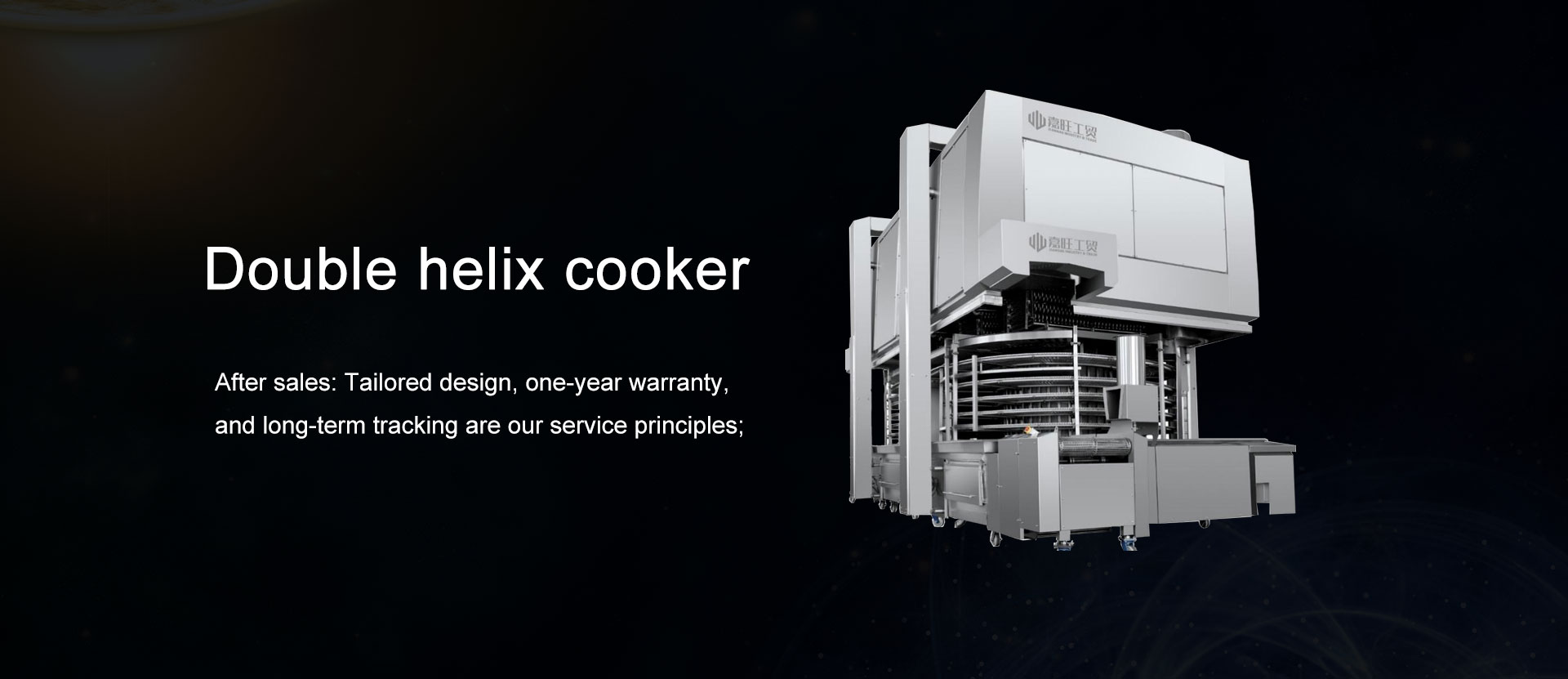
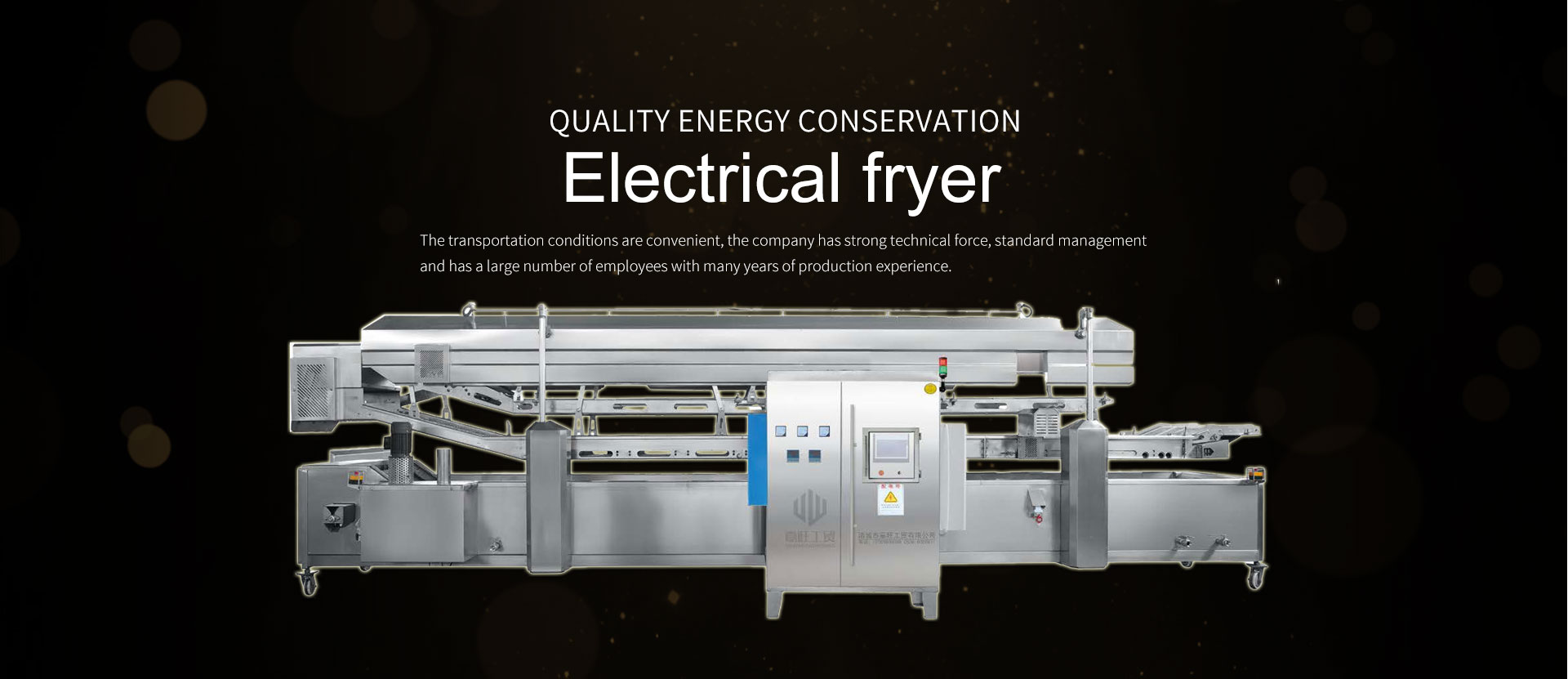
For plants already running electrical fryers, oil fryers, oil filters, oil tanks, steam tunnel machines, double helix cookers, steaming and baking machines, or steam cabinets, the new equipment should be evaluated as part of a full process line, not as a stand-alone asset. A machine that cooks well but causes buffering, manual transfers, or packaging delays may lower overall efficiency.
Common mistakes during selection
One common mistake is focusing too heavily on peak output. Another is assuming all continuous steam systems deliver the same cooking effect if the chamber length is similar. They do not. Steam entry layout, belt speed stability, exhaust control, and loading consistency change the result.
There is also a sanitation trap: some machines look compact and clean from the outside but require too much disassembly for daily washdown. In a large-scale plant, cleaning time is production time. If sanitation takes too long, the practical capacity of the line drops, even if the nominal throughput looks attractive.
A shorter answer, if you need one, is this: choose the machine that gives repeatable cooking, easy cleaning, and smooth line integration under your actual operating conditions, not just under showroom conditions.
Questions worth asking before approval
Ask how the machine performs with your real product load, not only with a standard test material. Ask what happens when steam supply is inconsistent. Ask how condensate is managed and whether there are cold spots near the belt edges. Ask how many points need routine inspection and how much access space is required around the machine.
This is also the stage to think beyond the steaming step. In some lines, seasoning or surface finishing follows cooking, and that changes the layout logic. If your process includes post-cook coating, reviewing adjacent equipment such as a drum coater can help clarify transfer conditions, product temperature at discharge, and space planning, even if it is not part of the first purchase.
Do not overlook controls and data visibility. Technical evaluators usually need alarm history, temperature trend visibility, speed synchronization, and practical operator interfaces. A machine with basic mechanical strength but weak controls can still become difficult to standardize across shifts.
When one machine is not the right answer
A continuous steaming and cooking machine is a strong fit for plants with stable, repeated production and clear throughput targets. It is less suitable when product changeovers are frequent, batch sizes are small, or the recipe portfolio varies widely in cooking profile. In those cases, a steam cabinet or another flexible thermal process may be easier to manage, even if labor demand is higher.
Before making the final decision, confirm five things: actual product behavior in steam, sanitation time, utility stability, line integration, and maintenance access. Those points usually tell you more than a brochure does. The best continuous steaming and cooking machine is the one that keeps output predictable month after month, not the one with the most aggressive sales specification.
FAQ
Is higher throughput always better?
No. If the line becomes harder to clean, control, or balance, higher rated throughput may reduce real production efficiency.
What is the biggest risk in selection?
Choosing based on nominal capacity without checking steam stability, product dwell time, and cleaning access under actual plant conditions.
Should I prioritize machine length or control system?
Neither alone. Chamber design, steam distribution, and control accuracy need to work together.
When is a continuous system a poor fit?
When you run frequent recipe changes, short batches, or products with very different thermal requirements.
Do upstream and downstream machines matter during evaluation?
Yes. Frying, steaming, baking, coating, cooling, and packaging equipment all affect whether the line performs smoothly.
Internal link anchor text suggestions
steam tunnel machine: product category or application page
double helix cooker: equipment comparison or process page
steaming and baking machine: solution page for thermal processing
steam cabinet: flexible batch-processing equipment page
oil filter system for food plants: supporting utility or maintenance topic
External authority source directions
food equipment hygiene design standards
government food processing safety guidance pages
official technical documentation from industrial steam system component brands
Online Consultation