

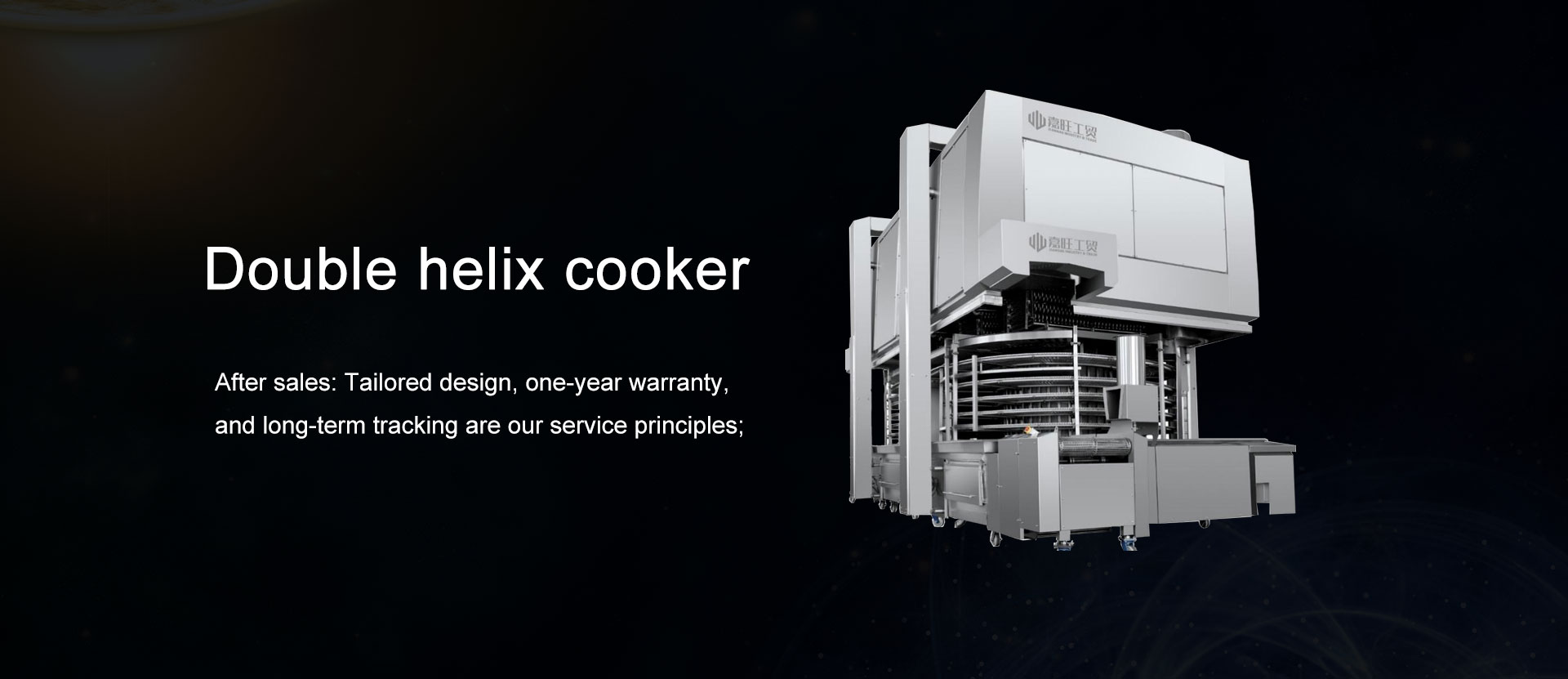
How to Match an Automatic Double Spiral Cooker to Ready Meal Processing Needs
An automatic double spiral cooker should be matched to the meal first, not to the catalog sheet. Ready meals rarely behave like a single product family. Rice bowls, sauced pasta, coated protein portions, vegetable mixes, and bakery-based filled items all react differently to residence time, surface moisture, and heat transfer. A suitable machine is one that can hold a stable thermal profile while moving these products through the spiral without crushing texture, stripping coatings, or creating uneven core temperature from the top tier to the bottom discharge.
Start with the product state entering the cooker. A chilled tray component, a par-fried snack filling, and a formed protein patty need different handling even if the target output looks similar on paper. If the line feeds loose product, belt pitch, side guards, and transfer points matter as much as heating method. Sticky meals or sauce-bearing components may need a belt surface and cleaning design that prevent buildup at the return section. For denser products, the useful question is whether the dwell time can be extended without forcing an oversized footprint elsewhere in the line.
Match thermal behavior to meal structure
The automatic double spiral cooker must be evaluated by how heat moves through the actual meal component. Steam-dominant cooking may suit products that need gentle penetration and moisture retention, while mixed steam and dry heat conditions may better control surface finish on layered or bread-based items. If a meal contains both fragile vegetables and heavier protein portions, splitting the process into stages can be more practical than pushing one cooker to handle everything at once.
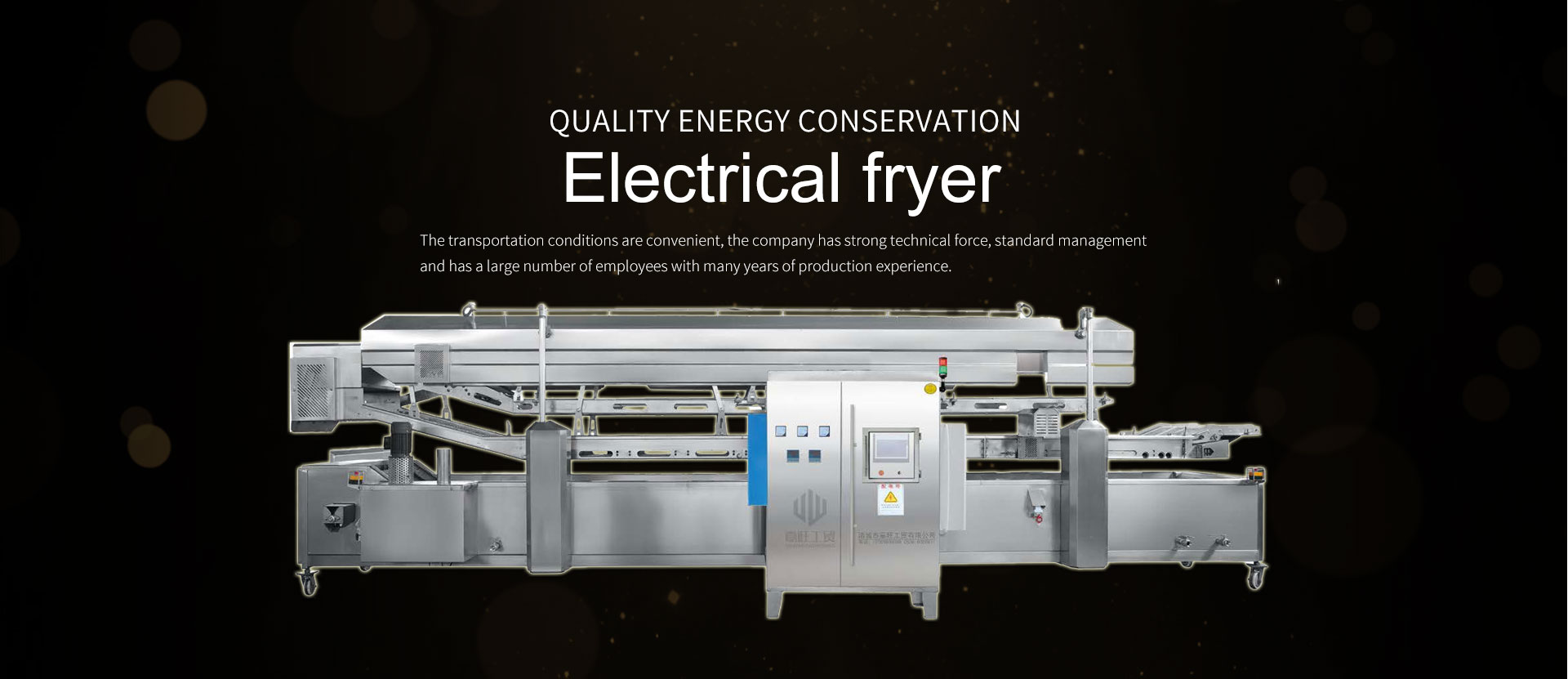
That is also where upstream and downstream equipment affects sizing. If a product comes from a pre-browning step such as an Oil fryer, the cooker may need to focus on internal doneness and moisture balance rather than surface color. In that case, belt loading, oil carryover control, and ventilation around the infeed should be reviewed early, because residual oil and steam interaction can change both hygiene workload and heat consistency.
Capacity is not only throughput
Nameplate capacity can be misleading in ready meal processing. Real line output depends on loading density, product spacing, transfer losses, and the slowest connected machine. A double spiral system may look large enough, yet still underperform if the discharge rhythm does not match tray filling, cooling, or packaging accumulation. A better approach is to define the required mass flow by product type, then test whether that flow is achievable without overstacking the belt or forcing products into contact that causes sticking or deformation.
Buffer behavior matters as well. Some plants need the cooker to absorb short interruptions upstream; others need very tight synchronization with portioning and sealing. These are different design problems. Belt width, spiral tier count, and allowable dwell-time adjustment range should be discussed together, because flexibility in one area often narrows options in another.
Construction details often decide long-term fit
For ready meal lines, stainless steel grade, weld finish, access doors, drain design, and cleanability are not minor details. Sauce, starch, crumbs, and protein fines can collect in corners, under belt supports, or around shaft penetrations if the machine is difficult to wash down. A cooker that meets the heating target but requires excessive manual cleaning can become a scheduling problem across the whole factory.
Look closely at the drive system and belt tracking arrangement. Double spiral equipment works under continuous load, and poor access to bearings, tension points, or lubrication locations can turn routine maintenance into line stoppage. If the process includes allergen changeovers or frequent recipe shifts, cleaning time and verification access should be part of the selection review from the beginning rather than treated as a commissioning issue.
Installation constraints should be checked before approval
Spiral cookers interact with the building more than many straight-line machines. Ceiling height, floor loading, drain placement, steam supply, condensate return, exhaust routing, and service clearance all affect whether the selected model can be installed without redesign around it. Transport path into the workshop is another common miss: a unit may fit the process layout but not the doorway, corridor radius, or lifting path required for delivery and assembly.
Control integration also deserves attention. The machine should communicate clearly with upstream feed equipment and downstream hold points so that stoppages do not leave product dwelling too long in the heated zone. If recipes change often, parameter storage for belt speed, temperature bands, and moisture settings can reduce startup variation between runs.
A good match is usually the result of narrowing the cooker around actual meal behavior, utility limits, sanitation needs, and line coordination at the same time. When those points are reviewed together, the automatic double spiral cooker becomes easier to size correctly and less likely to create hidden problems after installation.
Online Consultation