

Industrial Electrical Fryer Sizing Mistakes That Raise Production Risk
Why does fryer size become a production risk so quickly?
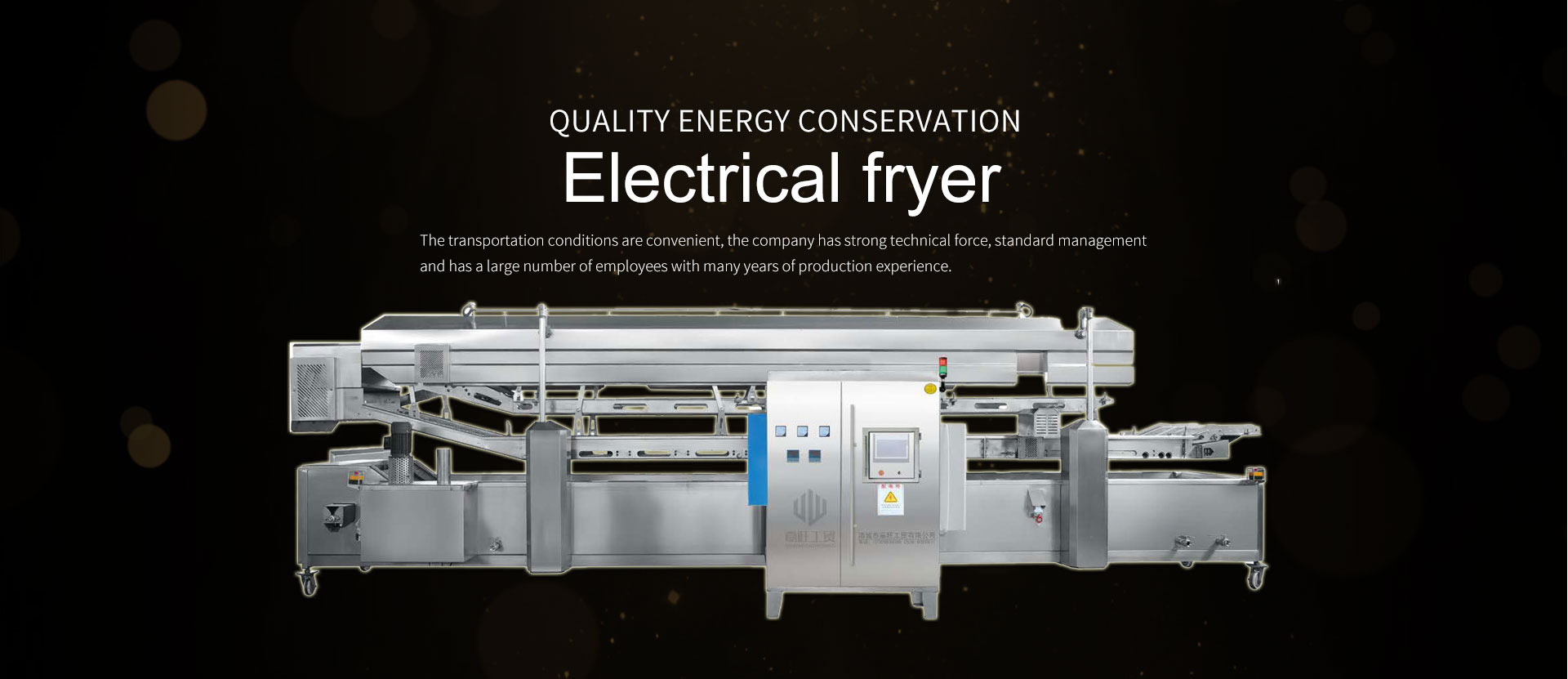
An industrial electrical fryer is often sized by hourly output alone. That looks practical, but it misses oil volume, product loading pattern, and recovery time.
In baking equipment lines, the wrong size usually shows up as unstable color, uneven texture, and longer cleaning windows. Energy use also rises before anyone notices the root cause.
A small unit may survive a trial run. Under full production, it struggles with temperature recovery. An oversized unit creates another problem: excess oil residence time and avoidable operating cost.
Is matching nominal capacity enough when choosing an industrial electrical fryer?
Usually, no. Nameplate capacity is only one reference point. Real sizing should reflect product moisture, batch rhythm, loading density, and target frying curve.
For dough-based snacks or baked goods with finishing fry steps, the critical question is not only “How much per hour?” It is also “How fast does the fryer recover after each load?”
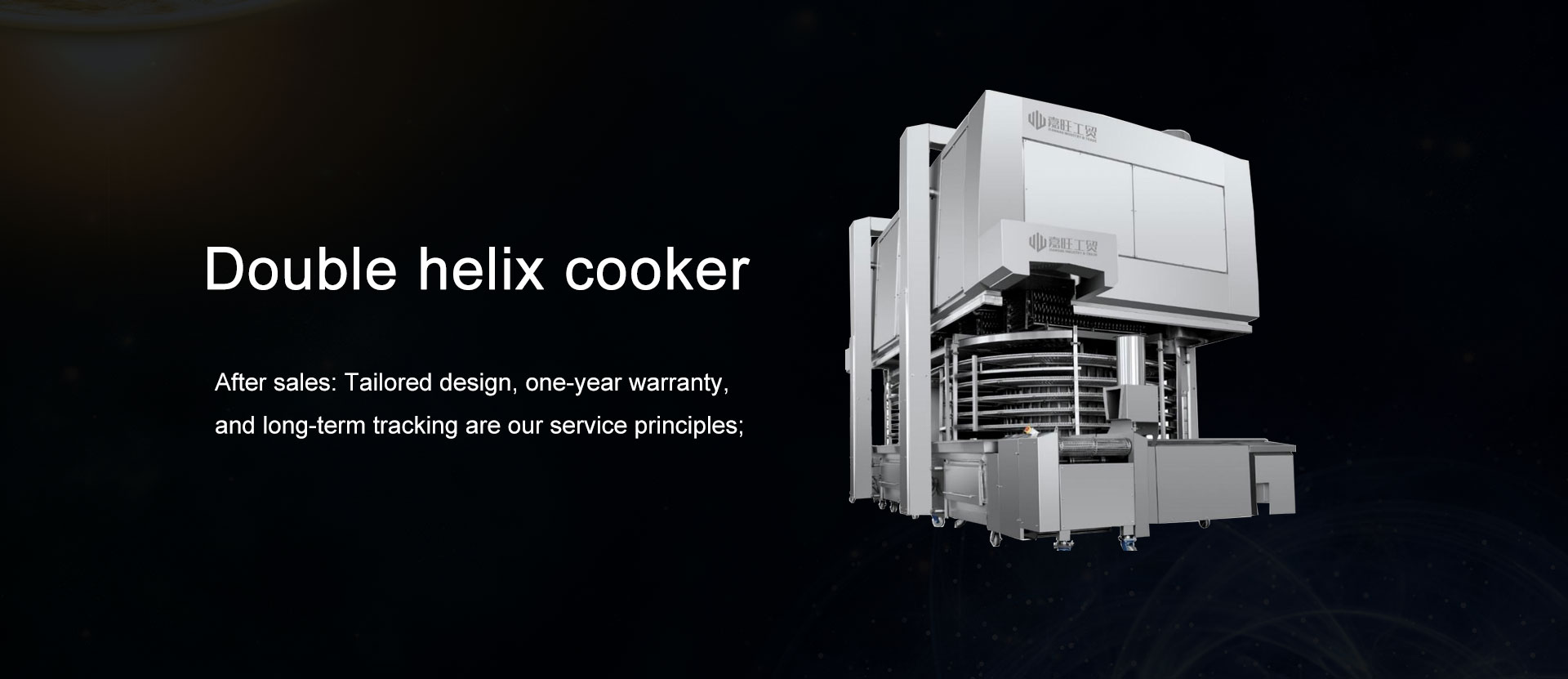
Lines that also include steaming or baking stages need even closer coordination. In some processes, an upstream Steaming and baking machine changes moisture content enough to affect fryer sizing.
A practical sizing check
What sizing mistakes are most common in bakery-related applications?
One frequent mistake is sizing the industrial electrical fryer for standard products, then adding seasonal or higher-moisture items later. The fryer suddenly becomes the narrowest point in the line.
Another mistake is separating fryer selection from oil handling. If the oil filter and oil tank are underspecified, even a correctly sized fryer will behave inconsistently.
There is also a layout issue. A compact footprint may look attractive, but poor maintenance access slows cleaning, inspection, and heater servicing.
- Ignoring startup and recovery time
- Using average throughput instead of peak demand
- Overlooking crumb generation and filtration load
- Choosing tank dimensions before process data is stable
How can you tell whether a fryer is too small or simply badly configured?
Watch what happens after a fresh load enters. If temperature drops sharply and recovery is slow, the industrial electrical fryer may be undersized for the actual feed pattern.
If temperature holds, but product variation remains high, the issue may be belt speed, oil circulation, or poor upstream consistency. Size is not always the only cause.
This is where line integration matters. A fryer paired with steam cabinets, tunnel systems, or a second Steaming and baking machine should be reviewed as one thermal process, not isolated equipment.
What is the safest way to make the final sizing decision?
Build the decision around process evidence. Start with product type, incoming temperature, moisture level, target residence time, and the highest realistic hourly load.
Then compare fryer volume, heating power, control range, filtration support, and maintenance access. That gives a better picture than capacity claims alone.
A well-sized industrial electrical fryer protects output stability, oil condition, and maintenance rhythm at the same time. Before closing the selection, confirm peak-load tests, cleaning intervals, and oil management compatibility across the full line.
That final check usually prevents the most expensive mistake: buying a fryer that looks sufficient on paper but creates daily production risk in practice.
Online Consultation