

Automatic Electrical Fryer Features That Reduce Labor and Process Errors
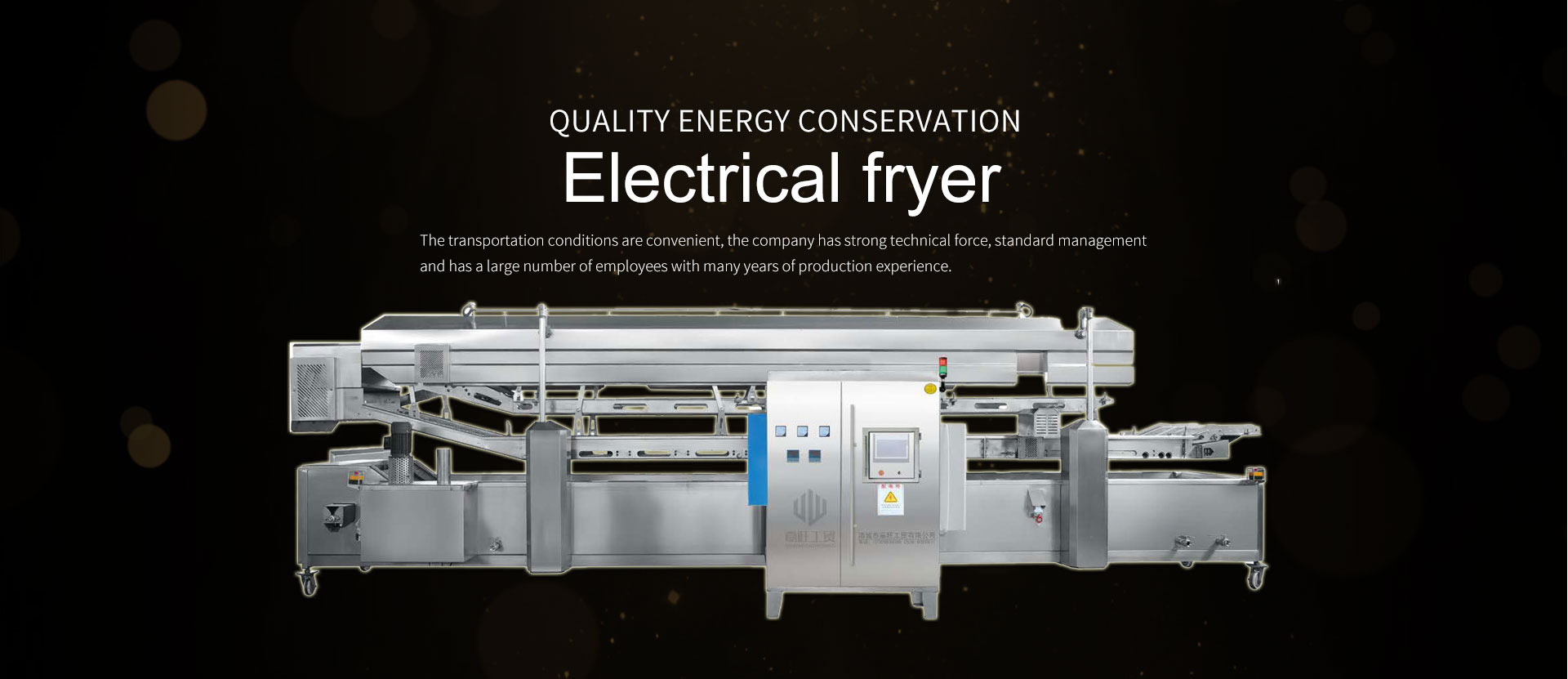
In bakery and prepared food lines, labor pressure often shows up in the fryer first. An automatic electrical fryer helps reduce handling, timing mistakes, and uneven results, while giving tighter control over oil, product color, and daily throughput.
Why automation matters in frying
Frying is a sensitive step. Small changes in temperature, dwell time, or loading can affect texture, moisture loss, and visual consistency.
That is why the automatic electrical fryer has become more relevant across bakery equipment systems. It turns a variable, operator-dependent process into a repeatable production stage.
This is especially useful where fried dough products, filled snacks, coated items, or par-baked foods move through connected equipment such as oil filters, oil tanks, steam cabinets, or steaming and baking machines.
Features that directly reduce labor and process errors
Stable temperature control
Precise heating control keeps oil within a narrow range. That limits over-frying, pale batches, and rework caused by inconsistent thermal recovery after loading.
Timed frying cycles
Preset cycle management removes guesswork. Operators do not need to watch every basket or manually count time under busy production conditions.
Automatic lifting or conveying
Automatic loading, lifting, or conveyor discharge reduces repetitive handling. It also lowers the chance of delayed removal, product breakage, and unsafe manual contact with hot oil.
Integrated oil management
An automatic electrical fryer with oil circulation, filtration support, and sediment control helps maintain oil quality. Cleaner oil supports flavor stability and reduces waste from premature oil replacement.
Recipe storage and repeatability
Stored settings make product changeovers easier. This matters when one line handles different doughs, coatings, or moisture profiles during the same shift.
Where these functions create the most value
The return is usually strongest in operations with frequent batch repetition, multiple SKUs, or strict appearance standards. In these settings, process errors quickly become visible and costly.
In some lines, frying performance also depends on upstream preparation. For flat coated products, a system such as coater for flat food can help create a more uniform surface before the product enters the fryer.
What to evaluate before selecting a system
Not every automatic electrical fryer fits every operation. The right choice depends on product behavior, output targets, cleaning routines, and how the fryer connects with the rest of the line.
- Check temperature recovery under real loading conditions, not just empty-tank specifications.
- Review oil filtration compatibility and tank access for cleaning.
- Compare recipe control options for different products and shift teams.
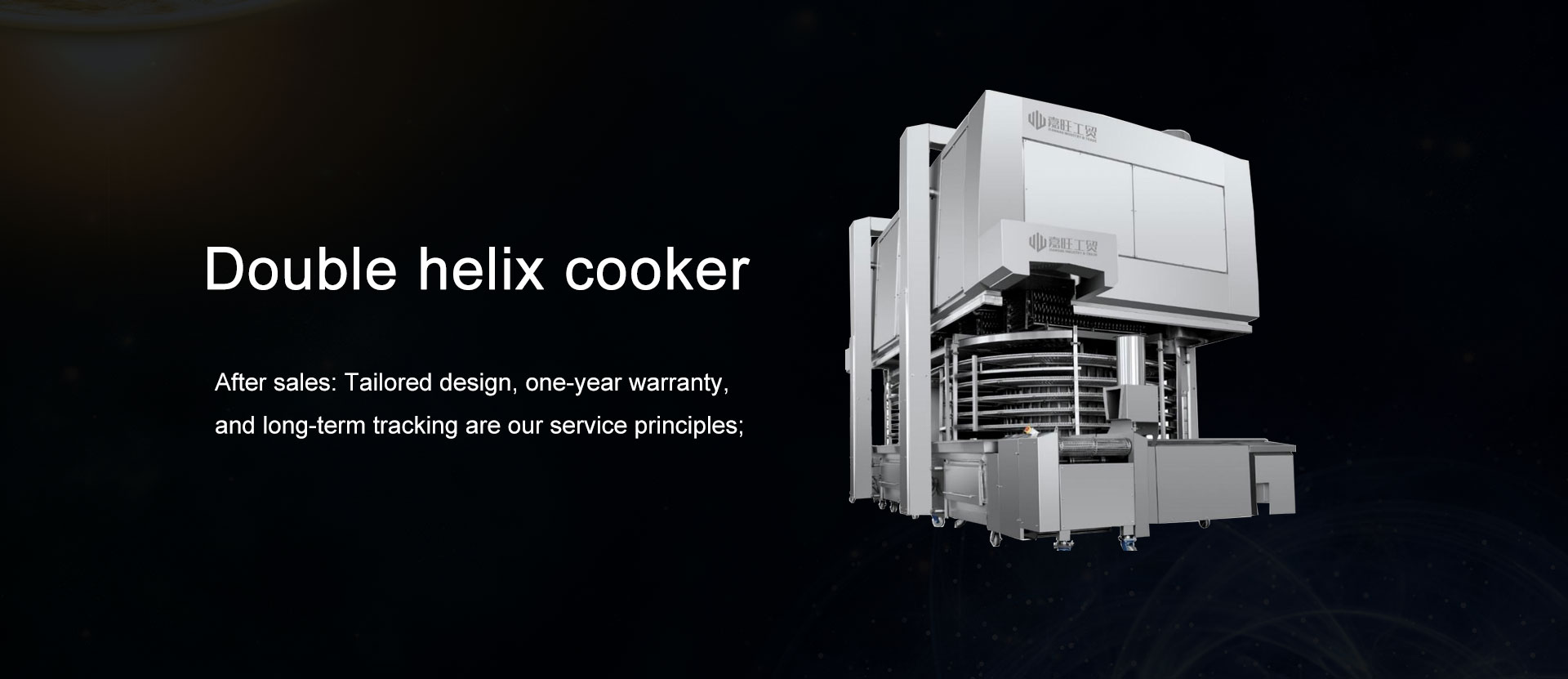
- Confirm how the fryer integrates with oil tanks, steam tunnel machines, or double helix cookers where applicable.
- Assess operator interface simplicity, alarm logic, and maintenance access.
A practical view of the next step
The best automatic electrical fryer is not simply the one with the most functions. It is the one that removes avoidable manual work, protects product consistency, and fits the full bakery equipment workflow.
A useful next step is to map current frying errors, oil handling issues, and line bottlenecks, then compare them against control features, cleaning design, and integration requirements. That approach leads to a more reliable equipment decision.
Online Consultation