

Continuous Electrical Fryer vs Batch Fryer: Which Fits Your Line Better?
Choosing between a continuous electrical fryer and a batch fryer shapes more than frying capacity. It influences labor use, oil stability, floor planning, and how smoothly a bakery line connects with upstream and downstream equipment.
In bakery processing, that decision often affects product consistency as much as output. A line built around the wrong fryer can create bottlenecks, uneven color, excess oil pickup, or unnecessary handling between cooking stages.
How the two systems differ in practice
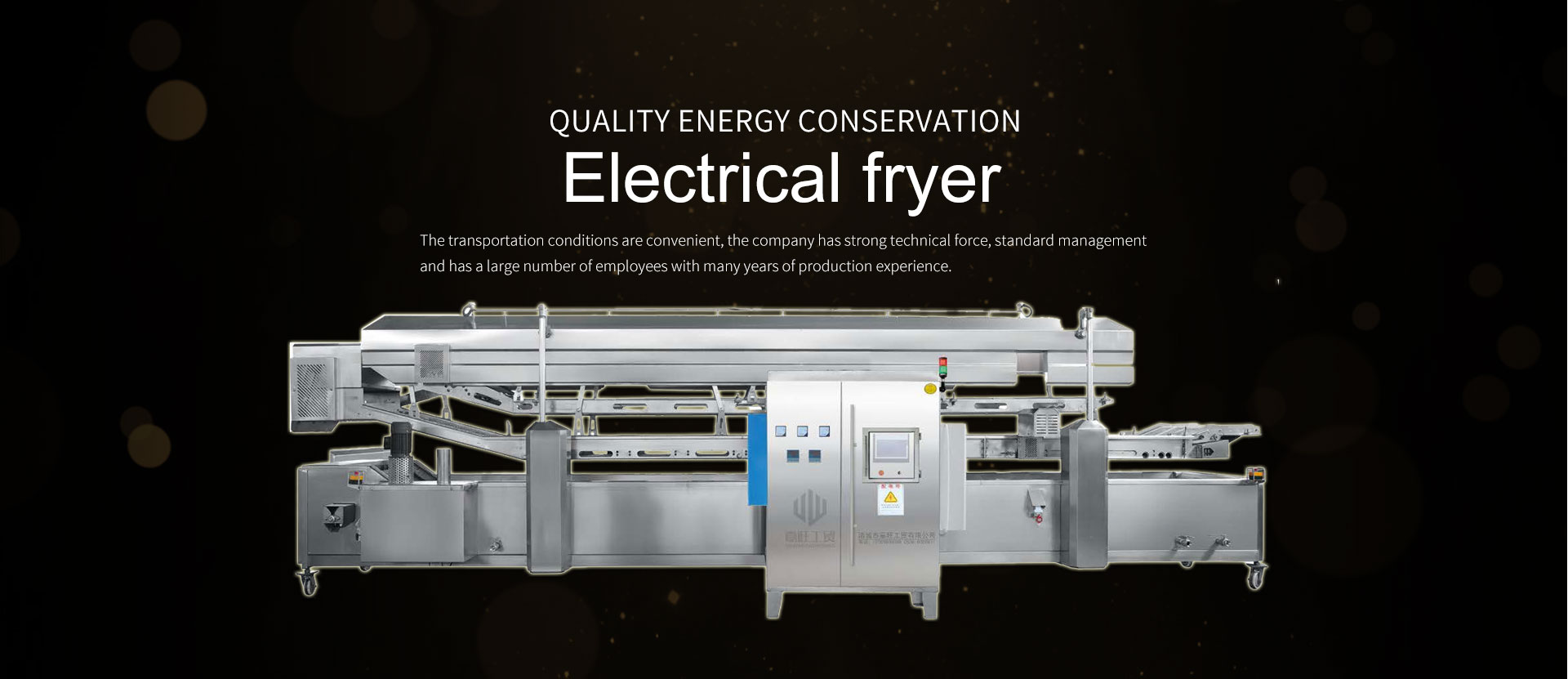
A continuous electrical fryer moves product through hot oil on a conveyor. Time, temperature, and product flow stay controlled across long runs, which supports stable quality and predictable throughput.
A batch fryer works in cycles. Operators load, fry, discharge, and repeat. That makes it easier to change recipes or run smaller volumes, but output depends more heavily on timing and manual discipline.
For bakery items such as coated snacks, filled pastries, dough-based products, or par-fried components, the difference is usually felt in line rhythm. Continuous systems favor flow. Batch systems favor flexibility.
Why continuous frying gets more attention now
Energy control and oil management have become tighter planning issues. A continuous electrical fryer is often easier to integrate with oil filters, oil tanks, and automated transfer sections.
That matters when the broader process already includes steaming and baking machine sections, steam cabinets, or even a steam tunnel machine. Each connected step benefits from steadier product flow and less waiting between operations.
Another reason is traceability. With continuous operation, dwell time and temperature records are easier to standardize, which helps quality review and line optimization.
Key comparison points for line planning
When batch frying still makes sense
Batch systems remain practical where SKU variation is high, trial production is frequent, or floor space cannot support a longer conveying section. They also suit lines where frying is not the main bottleneck.
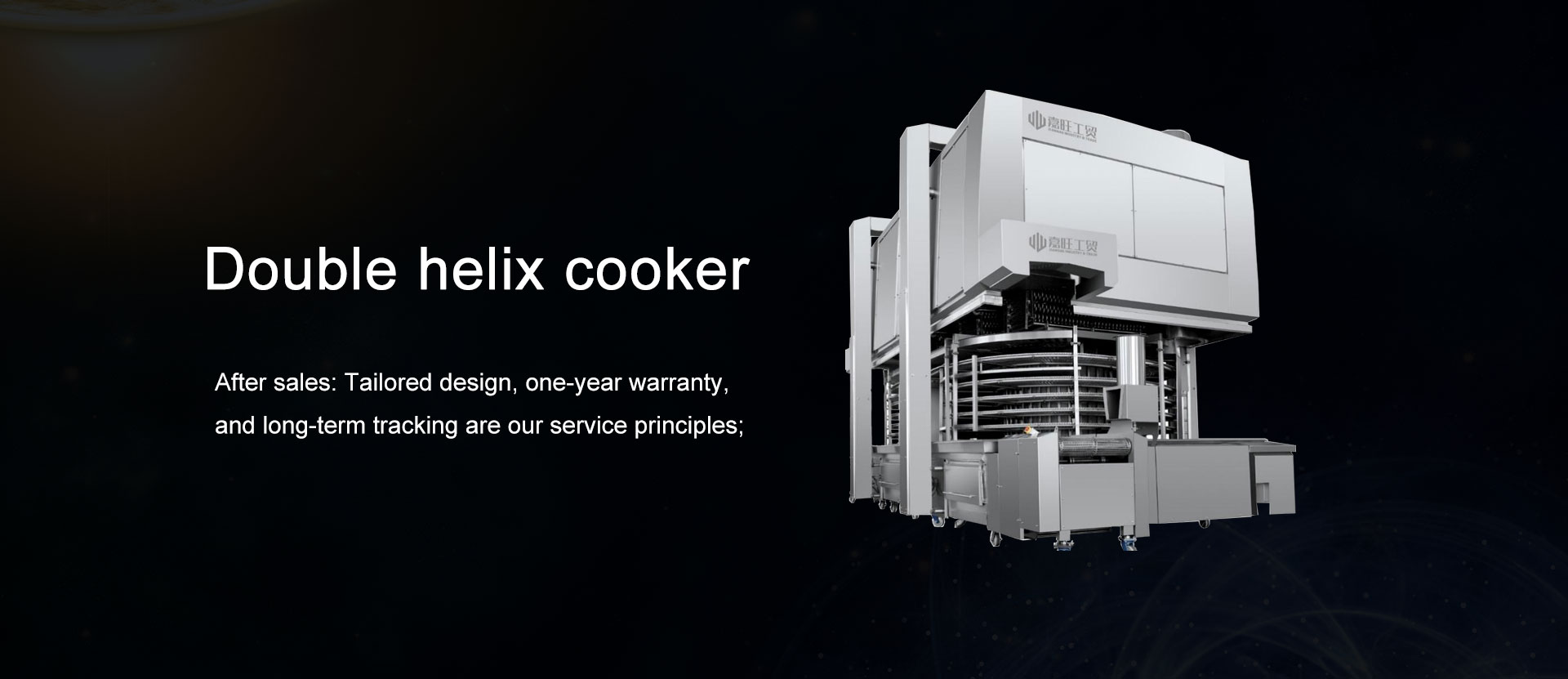
In some bakery projects, a batch fryer supports specialty products while steaming, baking, or double helix cooker sections handle larger-volume items elsewhere in the plant.
Upstream and downstream details matter
Fryer selection should not happen in isolation. Product surface condition, coating behavior, and discharge handling all influence final performance.
For example, products entering a fryer after batter coating equipment may need tighter control of residence time and oil turbulence to protect coating adhesion and appearance.
The same applies after frying. Oil draining, filtering, and transfer into cooling or baking sections should be reviewed as one process, not as separate machine purchases.
A practical way to decide
- Map hourly output targets against actual production mix.
- Check how often recipes, sizes, or coatings change.
- Review oil turnover, filtration needs, and sanitation windows.
- Measure available floor space, service access, and utility loads.
- Confirm how the fryer links with oil filter, oil tank, and post-fry handling.
If production depends on steady volume, repeatable color, and integrated automation, a continuous electrical fryer usually offers the stronger long-term fit. If the line must absorb frequent product changes, batch frying can still be the better operational choice.
The clearest next step is to compare target output, changeover frequency, and oil management requirements on one line sheet. That usually makes the right frying direction visible before detailed equipment layout begins.
Online Consultation