


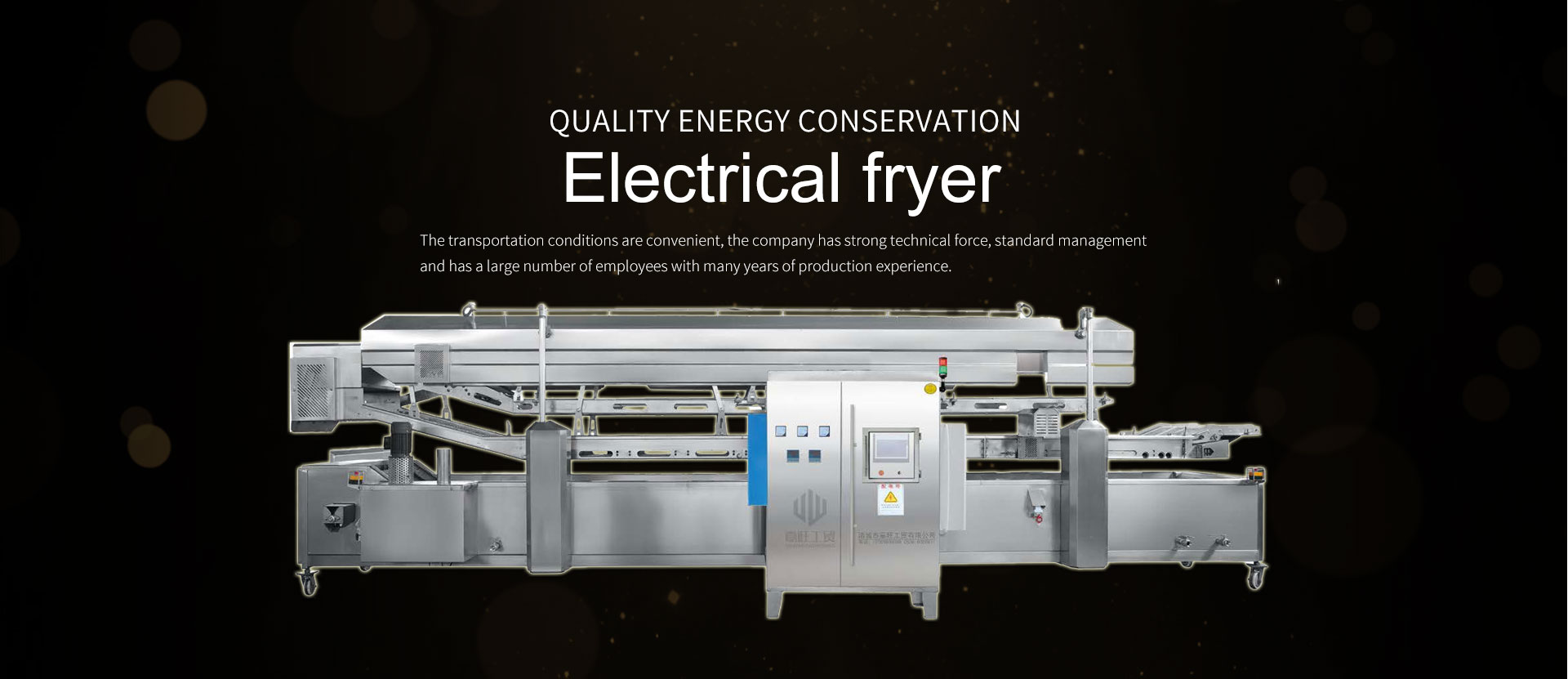
Stainless Steel Electrical Fryer: What Matters Beyond Corrosion Resistance?
A stainless steel electrical fryer is often judged by its resistance to rust and cleaning chemicals, but that is only one part of equipment performance. In bakery and food processing lines, the better question is how the fryer behaves under daily heat load, oil turnover, product variation, and cleaning cycles. That is where long-term cost, frying consistency, and line compatibility are decided.
Why the material alone does not tell the full story
Stainless steel protects the frame, tank, and contact surfaces from corrosion, especially where salt, sugar, moisture, and detergents are common. That matters in baking equipment environments, where hygiene and washdown routines are strict.
Still, a stainless steel electrical fryer can underperform if the heating layout is uneven, if recovery time is slow, or if oil circulation is poorly designed. Material quality supports reliability, but process stability defines production value.
The operating factors that deserve closer review
Temperature control and recovery
In batch and semi-continuous frying, temperature drop after loading is a practical test. Fast recovery helps maintain crust formation, color consistency, and oil absorption control.
Sensors, heater placement, and controller accuracy matter more than a polished exterior. A stainless steel electrical fryer with stable control usually delivers more predictable product quality.
Heating efficiency and energy use
Electrical fryers are often selected for clean heating, simpler installation, and easier temperature regulation. Even so, energy consumption varies significantly between designs.
- Insulation quality affects standby loss.
- Heater configuration influences heat transfer speed.
- Tank geometry changes how efficiently oil distributes heat.
- Control logic affects overshoot and unnecessary cycling.
Oil management and product cleanliness
For bakery applications, crumb load can be high. Fried dough products, coated snacks, and filled items release fines that accelerate oil breakdown and darken the final product.
That is why fryer selection should connect to the wider system, including oil filter units, oil tanks, and residue handling tools. In some layouts, a simple accessory such as dipper supports cleaner transfer and routine handling without interrupting flow.
Structural details that affect maintenance
Easy cleaning is not only about smooth stainless surfaces. Drain point location, dead-corner reduction, access to heating elements, and removable guards all affect sanitation time.
A strong design also reduces hidden residue zones. That is important when the fryer works alongside steam tunnel machines, steaming and baking machines, or steam cabinets in mixed thermal processing lines.
Fit within a broader production line
A stainless steel electrical fryer rarely works in isolation. Its value increases when it fits upstream and downstream equipment without creating bottlenecks.
This includes coordination with oil fryers, oil filters, oil tanks, double helix cookers, and post-frying handling sections. The target is not only frying capacity, but smooth movement of heat, oil, product, and cleaning routines.
Even a small support tool such as a second dipper can make sense when evaluating workflow around transfer, sampling, or controlled oil handling.
A practical way to compare options
When reviewing a stainless steel electrical fryer, compare more than nominal power and tank size. Look at how the unit performs during production, cleaning, and restart.
- Check temperature recovery after real product loading.
- Review oil filtration and discharge arrangements.
- Inspect weld quality, access panels, and cleaning reach.
- Confirm control stability across different product recipes.
- Assess how the fryer connects with the rest of the thermal line.
That approach creates a clearer basis for selection. Instead of treating stainless steel as the final answer, it becomes one useful indicator within a broader technical judgment.
Online Consultation