

What Affects Oil Fryer Heat Recovery During Peak Output?
Why Oil fryer heat recovery matters during peak bakery output
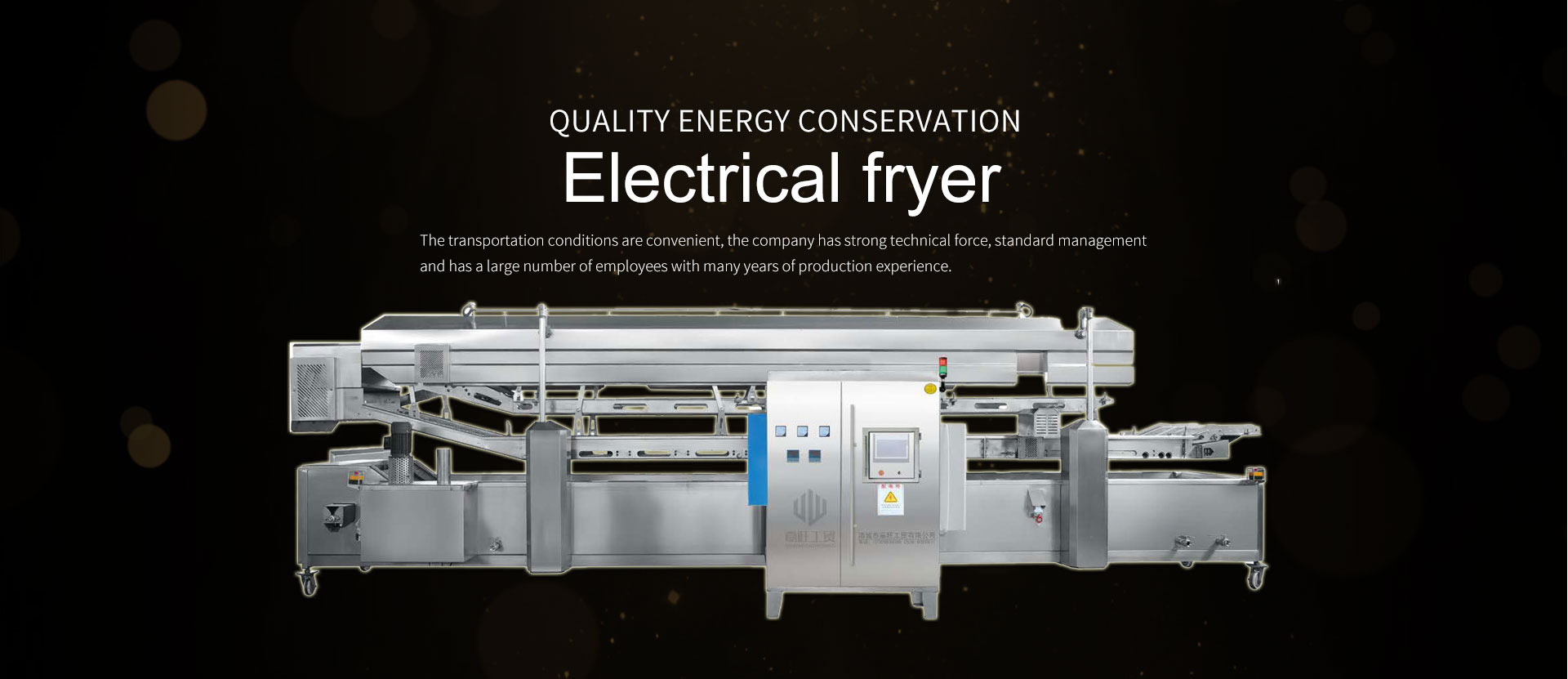
During peak production, an Oil fryer must regain target temperature fast after each product drop.
Strong heat recovery protects color, texture, oil uptake, and hourly throughput in baking equipment lines.
It also supports energy stability, process repeatability, and downstream timing for filtering, conveying, and packing.
When recovery is slow, product quality drifts and operators often compensate with longer frying time.
That response can increase oil degradation, utility cost, and reject rates across continuous production.
How production scenarios change Oil fryer recovery expectations
Not every bakery process stresses an Oil fryer in the same way.
Recovery needs depend on batch size, moisture load, product geometry, and line rhythm.
A technical comparison becomes more accurate when the application scenario is defined first.
Scenario 1: Short, frequent loading cycles
Snacks, dough pieces, and coated items often enter the fryer in repeated small drops.
Here, the Oil fryer must recover quickly between cycles, not only after one large load.
Fast sensor response, stable control logic, and balanced heater distribution become critical.
Scenario 2: High-moisture products at continuous feed
Products with higher internal moisture remove more thermal energy from the oil.
In this case, heating power density and oil circulation strongly influence recovery speed.
Steam release also affects surface turbulence and apparent temperature consistency.
Scenario 3: Large output with strict color control
Some lines prioritize identical finish across long runs.
For these applications, Oil fryer recovery must be fast and uniform across the tank width.
A quick rebound at one point is not enough if cold zones remain elsewhere.
Key factors that affect Oil fryer heat recovery in real operation
Installed heating power and power-to-load ratio
The first factor is available heating capacity relative to production load.
An undersized Oil fryer may hold temperature at idle but fail during peak output.
Evaluation should focus on effective recovery under actual kilograms per hour, not only nameplate power.
Oil volume and thermal reserve
Oil mass acts as a heat buffer.
More oil can reduce immediate temperature drop, but too much volume may slow full reheating.
The best Oil fryer balances reserve capacity with heater output and turnover speed.
Tank geometry and heat transfer path
Tank depth, width, and heater placement shape recovery behavior.
Poor geometry can create slow-moving zones where oil temperature lags behind the average reading.
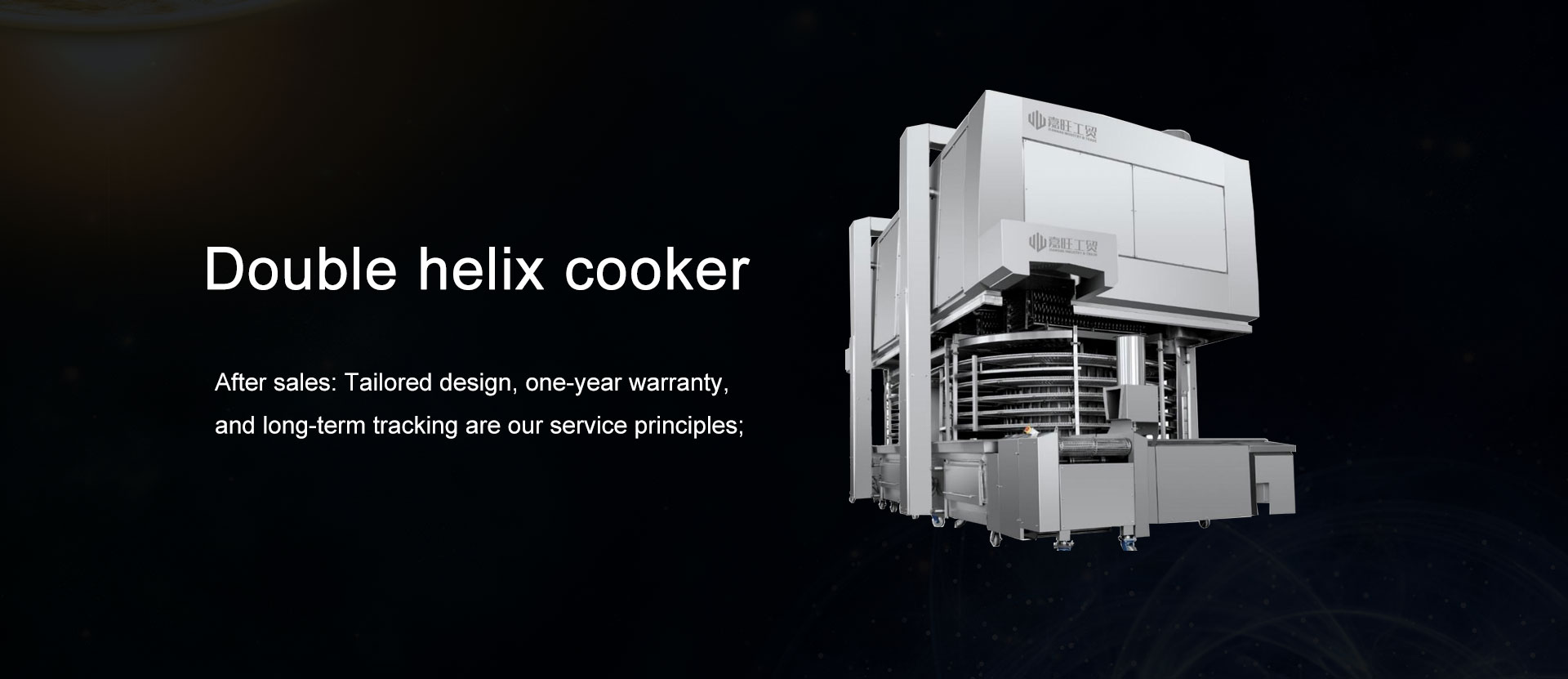
In integrated lines, equipment such as the Double helix cooker may also influence upstream feed consistency.
Circulation, filtration, and crumb control
Good circulation spreads heat faster across the frying zone.
Filtration matters because crumb buildup insulates heaters, blocks flow, and accelerates oil breakdown.
A cleaner Oil fryer usually recovers more predictably during long production windows.
Sensor location and control strategy
Temperature control is only as accurate as its measurement point.
If sensors sit too close to heaters, displayed recovery may look better than product-zone recovery.
Responsive control algorithms help an Oil fryer avoid overshoot after heavy loading.
Product loading consistency
Irregular feed causes repeated thermal shock.
When infeed weight suddenly spikes, even a strong Oil fryer can show unstable recovery behavior.
Consistent dosing, spacing, and moisture condition reduce temperature swings.
How scenario differences change the decision criteria
Practical matching advice for stable peak-output performance
- Test Oil fryer recovery with real product, real load, and real cycle timing.
- Ask for temperature drop and rebound data at the product zone, not only the heater zone.
- Review oil filtration intervals and crumb removal design for long-run stability.
- Check whether heater staging supports partial load and peak load without overshoot.
- Confirm upstream equipment keeps feed mass consistent during rush periods.
Common mistakes when judging Oil fryer recovery
A frequent mistake is choosing by maximum temperature rather than recovery time under load.
Another mistake is ignoring oil cleanliness when comparing one Oil fryer against another.
Some evaluations also miss the effect of line balance.
If upstream preparation is unstable, recovery problems may appear worse than the fryer design itself.
Well-matched systems, including feed conditioning and thermal processing like a Double helix cooker, can improve total line stability.
Next step for evaluating the right Oil fryer
Start by defining your peak-hour throughput, product moisture range, and acceptable temperature drop.
Then compare Oil fryer designs using scenario-based recovery tests, not brochure claims alone.
A strong selection process should connect heating power, oil management, tank design, and feed consistency.
That approach leads to better product quality, steadier output, and lower operating cost across bakery equipment production.
Online Consultation