

2026 Oil Fryer Maintenance Checklist to Reduce Downtime
Why Oil fryer maintenance matters more in 2026
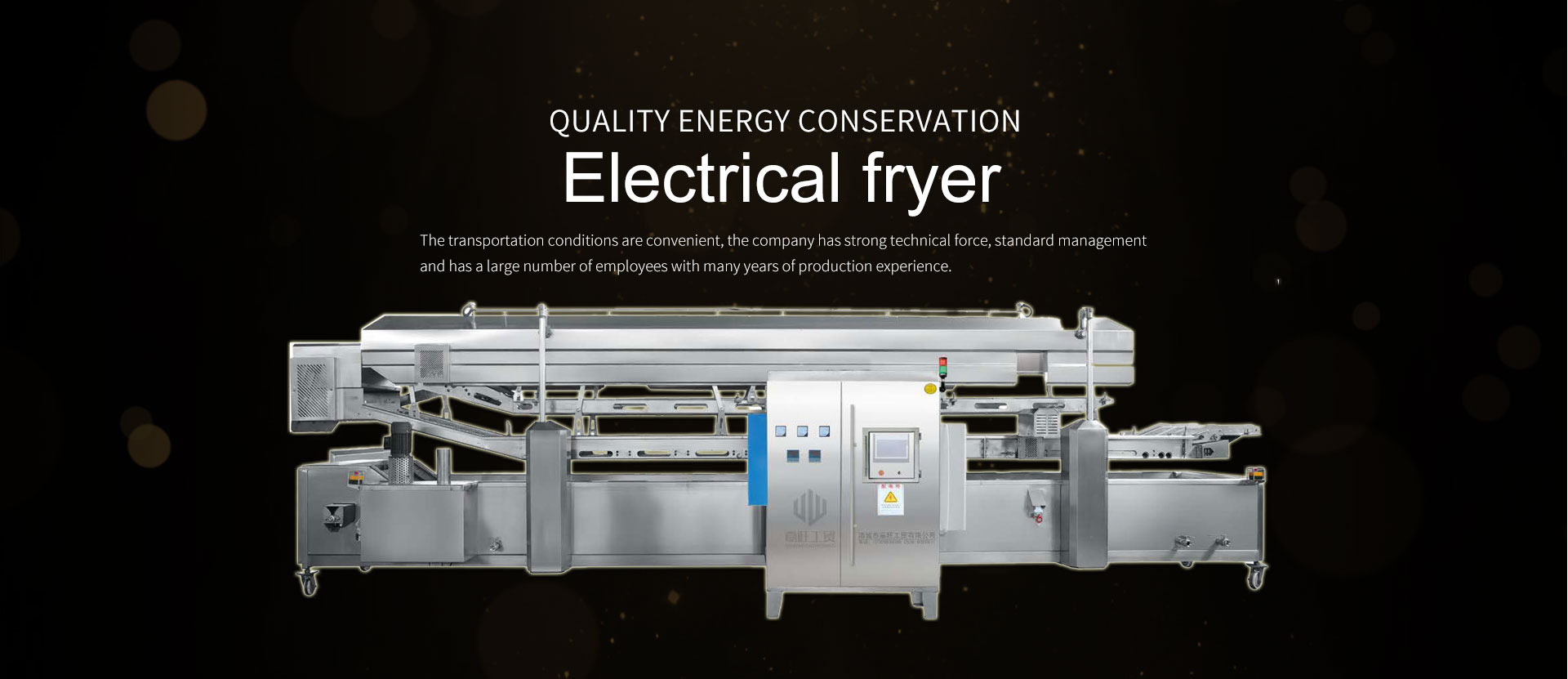
Keeping an Oil fryer running safely and efficiently in 2026 requires more than routine cleaning.
In baking equipment operations, tighter uptime targets and rising energy costs have changed maintenance priorities.
A practical Oil fryer checklist helps reduce unplanned downtime, protect oil quality, and improve service consistency.
It also supports longer heater life, steadier frying temperatures, and safer daily use across busy production lines.
The maintenance trend is shifting from cleaning to condition control
In 2026, maintenance teams are watching performance signals earlier instead of waiting for visible failure.
For every Oil fryer, heat stability, filtration efficiency, and oil circulation now matter as much as sanitation.
This change is especially important in baking equipment plants where fried fillings, toppings, and snack lines run continuously.
A small drift in temperature or pump pressure can quickly affect product color, texture, and line scheduling.
Key signals behind this change
- Higher production continuity requirements across integrated baking and frying lines.
- Growing focus on energy efficiency and oil life management.
- More attention to food safety records and preventive maintenance traceability.
- Rising replacement costs for heaters, sensors, pumps, and control components.
What is driving new Oil fryer service expectations
These drivers have pushed the Oil fryer from a simple thermal machine to a closely monitored process asset.
Maintenance now connects directly with quality control, energy use, and delivery reliability.
The 2026 Oil fryer maintenance checklist that reduces downtime
Daily inspection points
- Check fryer temperature display against actual oil temperature.
- Look for unusual foam, smoke, or dark oil color.
- Inspect the Oil fryer tank for carbon deposits and food debris.
- Confirm pump noise, oil flow, and filter operation remain stable.
- Verify emergency stop, limit switches, and alarm functions.
Weekly inspection points
- Inspect heating elements for scaling, warping, or hot spots.
- Check sensor wiring, terminal tightness, and controller response.
- Examine valves, gaskets, and pipe joints for oil leakage.
- Clean filtration paths to prevent circulation restriction.
- Review recorded downtime events for repeated Oil fryer fault patterns.
Monthly preventive actions
- Calibrate temperature controls and overheat protection devices.
- Measure heater current draw for abnormal deviation.
- Drain and inspect the oil tank bottom for sludge accumulation.
- Check motor bearings and pump seals for wear.
- Update spare parts status for critical Oil fryer components.
Where downtime usually begins in baking equipment lines
Most Oil fryer stoppages do not start with total breakdown.
They often begin with slow heating, unstable recovery, poor filtration, or repeated alarm resets.
In baking equipment systems, these issues can affect upstream mixing, proofing, and downstream packing rhythm.
Support equipment also matters.
For example, ingredient preparation consistency from an Powder mixer can reduce excess fines entering the frying stage.
That helps lower residue buildup and keeps the Oil fryer cleaner for longer operating cycles.
Common failure risks to track
- Temperature probe drift causing product inconsistency.
- Blocked filters reducing oil circulation efficiency.
- Heater fouling increasing energy consumption.
- Seal aging leading to leaks and safety concerns.
- Control cabinet dust and heat affecting electrical reliability.
How these changes affect maintenance decisions
The biggest impact is a move toward planned intervention before production loss becomes visible.
Oil fryer service decisions now rely more on trend records than on operator complaints alone.
Maintenance scheduling should align with actual production intensity, oil type, and product crumb load.
Lines processing coated or powder-rich products usually require shorter cleaning and filtration intervals.
Priority areas to watch
- Temperature accuracy and recovery speed after batch loading.
- Oil cleanliness and oxidation indicators.
- Pump and filter performance stability.
- Electrical safety and control reliability.
- Spare part readiness for heaters, probes, and seals.
A practical response plan for 2026
Next steps to keep every Oil fryer in stable condition
The most effective 2026 strategy is simple.
Inspect earlier, record consistently, and correct small Oil fryer issues before they spread across the line.
Focus on heat control, oil flow, filtration, and electrical safety as linked maintenance priorities.
When support equipment, cleaning routines, and spare planning work together, downtime becomes far easier to control.
Review the checklist, compare it with current service records, and update the next preventive schedule without delay.
Online Consultation