


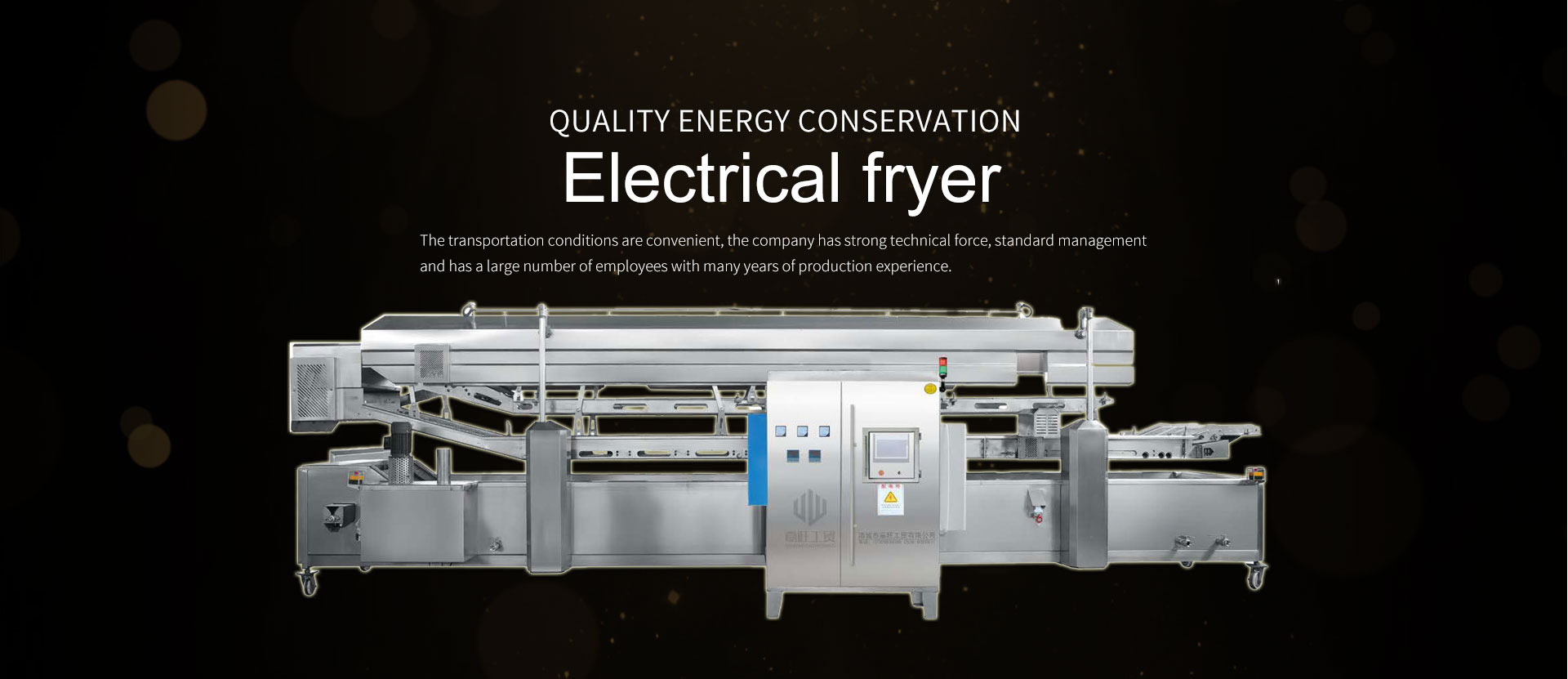
Electrical Fryer Energy Use: What Impacts Monthly Power Bills?
For finance-focused equipment planning, Electrical fryer operating cost is not just a nameplate kilowatt figure. Monthly power bills depend on fryer size, heating recovery, insulation quality, load pattern, oil condition, and daily production rhythm. In baking equipment environments where fried snacks, filled pastries, dough products, or pre-cooked items move through multiple thermal steps, understanding Electrical fryer energy use helps connect utility cost, throughput, and equipment life into one practical decision.
Why a checklist matters when estimating Electrical fryer power cost
Electrical fryer energy use is often underestimated because monthly bills are shaped by operating behavior, not only rated power. A 24 kW machine does not consume the same electricity every hour of every shift.
A checklist approach reduces guesswork. It helps compare models fairly, identify hidden cost drivers, and connect fryer selection with upstream mixing, proofing, steaming, baking, filtering, and holding processes.
This is especially useful in food lines that also include oil filters, oil tanks, steam cabinets, or prep equipment such as Powder mixer, because total line efficiency affects fryer idle time and start-stop losses.
Checklist: what impacts Electrical fryer monthly power bills
- Check installed power against actual loading. High rated kW improves heat recovery, but oversized capacity running below target throughput can raise idle heating losses and weaken cost efficiency.
- Measure warm-up time. Long preheat periods increase daily energy use, especially when production starts in short batches or when operators power the fryer too early.
- Review thermostat precision and control logic. Stable temperature control reduces overshoot, shortens heater cycling, and prevents unnecessary electricity consumption during low-load operation.
- Inspect insulation quality around the tank and body. Better insulation lowers standby loss, improves thermal stability, and matters greatly during long production windows.
- Compare oil volume with batch size. A large oil tank supports thermal stability, but excess oil mass also requires more energy to heat and maintain.
- Track production continuity. Frequent pauses, product changeovers, and partial loads can make Electrical fryer energy use per kilogram much higher than planned values.
- Maintain oil quality through filtration. Clean oil transfers heat more consistently, while degraded oil can slow frying response and extend dwell time at temperature.
- Verify product moisture and feed condition. Wet or uneven incoming product forces the fryer to recover more heat and may increase total electrical demand.
- Assess heat recovery speed. Faster recovery supports stable output, but the right balance depends on line speed, product density, and the number of drop cycles per hour.
- Calculate cost per shift, not only per hour. Utility impact becomes clearer when Electrical fryer power use is linked to actual production kilograms and operating days.
How Electrical fryer energy use changes by application
Continuous snack or dough production
In continuous lines, Electrical fryer performance is usually more energy-efficient per unit produced. Warm-up loss is diluted across more output, and stable feed rates improve heater cycling behavior.
When the upstream line is balanced, the fryer avoids repeated idle holding. Equipment matching matters here, from mixing and forming to steaming or baking transfer.
Small-batch bakery or central kitchen work
In smaller operations, monthly bills often rise because the Electrical fryer spends more time heating and waiting than actually frying. Product changeovers also increase temperature correction cycles.
For these sites, compact capacity, quick preheat, and good insulation may deliver better economics than simply choosing a larger, higher-powered machine.
Integrated thermal processing lines
Where steam tunnels, double helix cookers, steam cabinets, or baking machines are used before or after frying, coordination becomes a major cost factor. Delays between machines create expensive fryer standby time.
Even ingredient preparation can affect energy use. Consistent powder blending from equipment like a Powder mixer can improve product uniformity and reduce frying variation.
Commonly overlooked risks that raise power bills
Ignoring standby hours is one of the biggest mistakes. A fryer that sits hot between short runs may look efficient on paper but perform poorly on the electricity bill.
Using old or contaminated oil can reduce heat transfer efficiency. This often leads to longer fry times, heavier heater cycling, and unstable product quality.
Selecting capacity for occasional peak demand can backfire. Oversized Electrical fryer systems usually carry higher holding losses when average production remains modest.
Neglecting cleaning and sensor calibration also creates hidden cost. Carbon buildup, inaccurate probes, and poor oil circulation can all distort real Electrical fryer energy use.
Practical steps to control Electrical fryer operating cost
- Record daily preheat time, frying hours, standby hours, and output weight to calculate true energy cost per kilogram.
- Match fryer tank size and installed power to normal throughput, not only best-case peak volume.
- Use oil filtration and scheduled cleaning to maintain stable heat transfer and reduce wasteful temperature recovery cycles.
- Coordinate upstream and downstream equipment so the fryer runs in longer, steadier production blocks.
- Ask suppliers for test data covering warm-up, standby loss, recovery time, and power use under real product loads.
Conclusion and next action
Electrical fryer cost control starts with a simple truth: electricity use is driven by design and operation together. Capacity, insulation, oil management, batch rhythm, and line balance all shape the monthly bill.
The most useful next step is to compare Electrical fryer options using a line-by-line checklist built around real throughput, operating hours, and product type. That approach supports better budgeting, more accurate ROI evaluation, and stronger long-term thermal processing performance.
Online Consultation