

Electrical Fryer Buying Mistakes That Raise Long-Term Costs
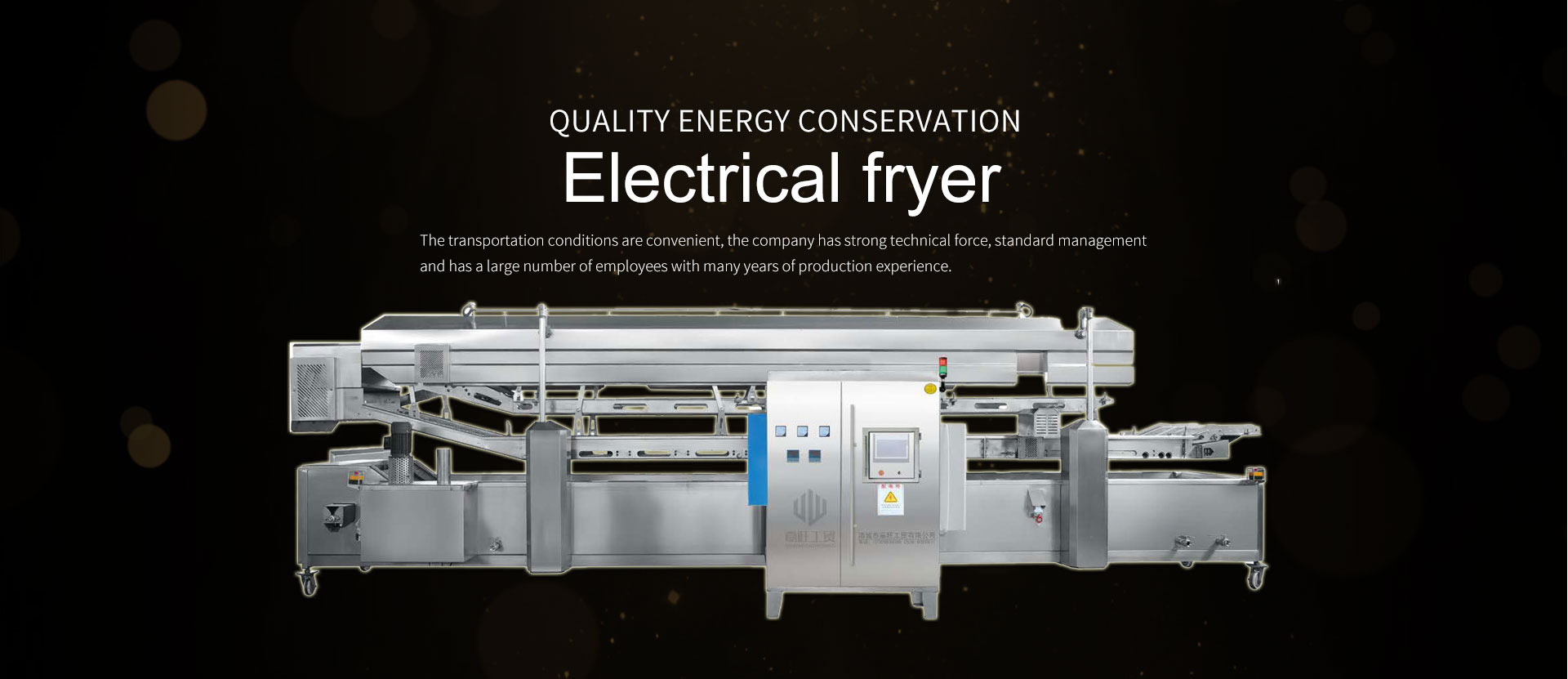
Choosing an Electrical fryer by sticker price alone is one of the most expensive mistakes procurement teams can make. A lower initial quote may look attractive, but long-term costs often rise through higher power consumption, unstable temperature control, unplanned downtime, faster parts replacement, and more labor-intensive cleaning. For buyers in the baking equipment industry, the right decision comes from evaluating total cost of ownership, production fit, serviceability, and operating efficiency together.
What procurement teams usually get wrong when buying an Electrical fryer
The core search intent behind this topic is practical: buyers want to avoid hidden costs and make a smarter purchasing decision. They are not simply looking for product features. They want to know which buying mistakes create ongoing financial loss and how to compare options beyond the purchase price.
For procurement professionals, the biggest concerns are clear. Will the machine control operating cost? Will it match production demand? Is maintenance predictable? Are spare parts and service easy to access? Can it support consistent product quality without creating bottlenecks in the line?
That means the most useful article is not a generic overview of fryer types. It should focus on decision criteria, risk points, and measurable cost drivers. In other words, the best buying guide helps readers judge value over years of use, not just at the time of quotation.
Mistake 1: Focusing on purchase price instead of total cost of ownership
A low upfront price can hide a much higher long-term bill. An Electrical fryer affects energy use, labor requirements, oil management, maintenance frequency, and production continuity. If these factors are ignored, the “cheaper” machine often becomes the more expensive one within the first year or two.
Total cost of ownership should include power consumption per shift, expected service intervals, replacement part costs, cleaning time, oil filtration needs, and likely downtime. Procurement teams should ask suppliers for operating data, not just brochure-level claims about efficiency or performance.
Even a modest reduction in energy consumption can create meaningful savings in medium- to high-volume baking operations. Likewise, better oil circulation and stable heating can reduce product waste. These are recurring gains that matter more than a small difference in initial price.
Mistake 2: Ignoring real production requirements
Many buyers choose capacity based on current output only, or they overbuy equipment without understanding utilization. Both decisions can increase cost. An undersized fryer creates bottlenecks, extended operating hours, and rushed production. An oversized unit may waste energy and floor space while operating below efficient load levels.
The better approach is to review actual production data. Consider hourly throughput, product mix, peak demand, shift pattern, and planned growth. Also evaluate whether the fryer will run continuously or in batches, because heating behavior and control requirements differ significantly between these use cases.
Procurement teams should also confirm how the machine fits with upstream and downstream processes. In integrated food and baking lines, consistency depends on coordinated flow. For example, coating and frying capacity should align if products move from a system such as a crumb coater into frying and then further processing.
Mistake 3: Underestimating energy efficiency and temperature control
Energy performance is one of the largest hidden cost drivers in an Electrical fryer. Buyers sometimes compare wattage without understanding heat recovery, insulation quality, temperature stability, and control responsiveness. Two units with similar rated power can perform very differently in daily production.
Poor temperature control creates several cost problems at once. It can increase energy waste, lead to uneven frying, shorten oil life, and produce more rejected product. In baking-related food production, where consistency affects downstream packaging and customer acceptance, this risk has direct financial consequences.
Ask suppliers how quickly the fryer recovers after loading, how evenly temperature is maintained across the frying zone, and whether controls allow precise adjustment for different products. A fryer that holds stable operating conditions usually lowers both utility costs and quality-related loss.
Mistake 4: Overlooking oil management and filtration needs
Although the equipment is electric, oil handling remains a major operating cost. Some buyers focus heavily on the heating system while paying too little attention to oil circulation, filtration compatibility, tank design, and ease of draining. This often results in faster oil degradation and higher replacement frequency.
Oil is not just a consumable expense. Its condition affects product appearance, flavor, cleanliness, and machine performance. Poor oil management can create sediment buildup, increase cleaning time, and raise the chance of uneven frying. It can also contribute to hygiene issues and more difficult maintenance.
When comparing an Electrical fryer, buyers should ask whether the machine integrates well with an oil filter, how easy the tank is to clean, and whether the design helps reduce crumb accumulation. Good oil management can significantly lower recurring operating cost over the equipment life cycle.
Mistake 5: Choosing a design that is hard to clean and maintain
Maintenance cost is not only about replacement parts. It also includes technician time, production stoppage, cleaning labor, and sanitation difficulty. A fryer with poor access to heating components, awkward tank geometry, or difficult-to-remove parts can consume far more labor than expected.
In practical terms, easy maintenance means more than a service manual. It means operators can clean key areas quickly, technicians can reach wear parts safely, and routine inspections do not require excessive disassembly. This directly supports uptime and lowers the risk of neglected maintenance.
Before purchase, request maintenance procedures, recommended spare parts lists, and average service intervals. If possible, ask for videos or factory demonstrations showing cleaning and part replacement. Procurement decisions improve when serviceability is evaluated as seriously as output and price.
Mistake 6: Failing to verify material quality and build durability
Not all stainless steel construction is equal in real production conditions. Some buyers assume that similar external appearance means similar durability. In reality, differences in material grade, weld quality, heating element protection, and structural design can affect lifespan and repair frequency.
A fryer used in demanding food production must withstand heat cycles, oil exposure, regular cleaning, and continuous use. Weak fabrication can lead to leaks, deformation, unstable performance, or accelerated wear. These problems raise long-term cost far beyond the original savings from a lower quote.
Procurement teams should review detailed specifications, not just marketing language. Ask about material grades in product-contact areas, insulation design, control components, and expected life of key parts. A durable machine usually delivers stronger financial value than a low-cost unit with frequent failures.
Mistake 7: Not checking supplier support, parts availability, and technical response
A well-priced machine can become a liability if support is slow or spare parts are difficult to source. For production facilities, downtime is often more expensive than the part itself. This is especially true when the fryer is part of a larger process and a stoppage affects multiple linked machines.
Evaluate the supplier as carefully as the equipment. Can they provide commissioning support, operator training, troubleshooting guidance, and parts availability timelines? Do they understand your application, or are they only offering a standard quotation? Responsive technical support reduces operational risk after purchase.
This matters even more when the fryer must coordinate with related equipment such as oil tanks, oil filters, steam cabinets, or coating systems. A supplier with broader line knowledge can often help buyers avoid configuration issues that later become expensive performance problems.
How to evaluate an Electrical fryer more effectively before purchase
A stronger buying process starts with a clear checklist. Compare not only quoted price, but also hourly output, energy use, oil management design, cleaning time, control accuracy, service access, warranty scope, and spare parts lead time. This turns purchasing from price comparison into cost-risk evaluation.
It is also useful to request application-specific testing or reference cases. Similar product type, similar production volume, and similar operating hours provide much better decision support than generic performance claims. Real operating evidence helps procurement teams estimate likely cost over time.
If your production line includes breading or surface preparation before frying, check process compatibility early. In some layouts, coordinated planning with equipment such as a second crumb coater or related transfer systems can prevent future capacity mismatches and rework.
A practical procurement mindset: buy stability, not just equipment
The most costly buying mistakes usually come from treating the fryer as a standalone commodity. In reality, an Electrical fryer is an operating asset that affects utilities, labor, quality, sanitation, throughput, and maintenance planning. Its real value appears in daily performance, not in the initial invoice.
For procurement professionals, the best decision is the one that balances efficiency, durability, support, and process fit. A machine that runs steadily, protects oil quality, cleans easily, and matches actual production needs will almost always outperform a cheaper option with hidden operating penalties.
In summary, the smartest fryer purchase is not the lowest quote. It is the unit that delivers stable production, controlled operating cost, and dependable support over time. When buyers evaluate long-term value instead of upfront price alone, they avoid the mistakes that raise total ownership cost and make a more confident investment.
Online Consultation