

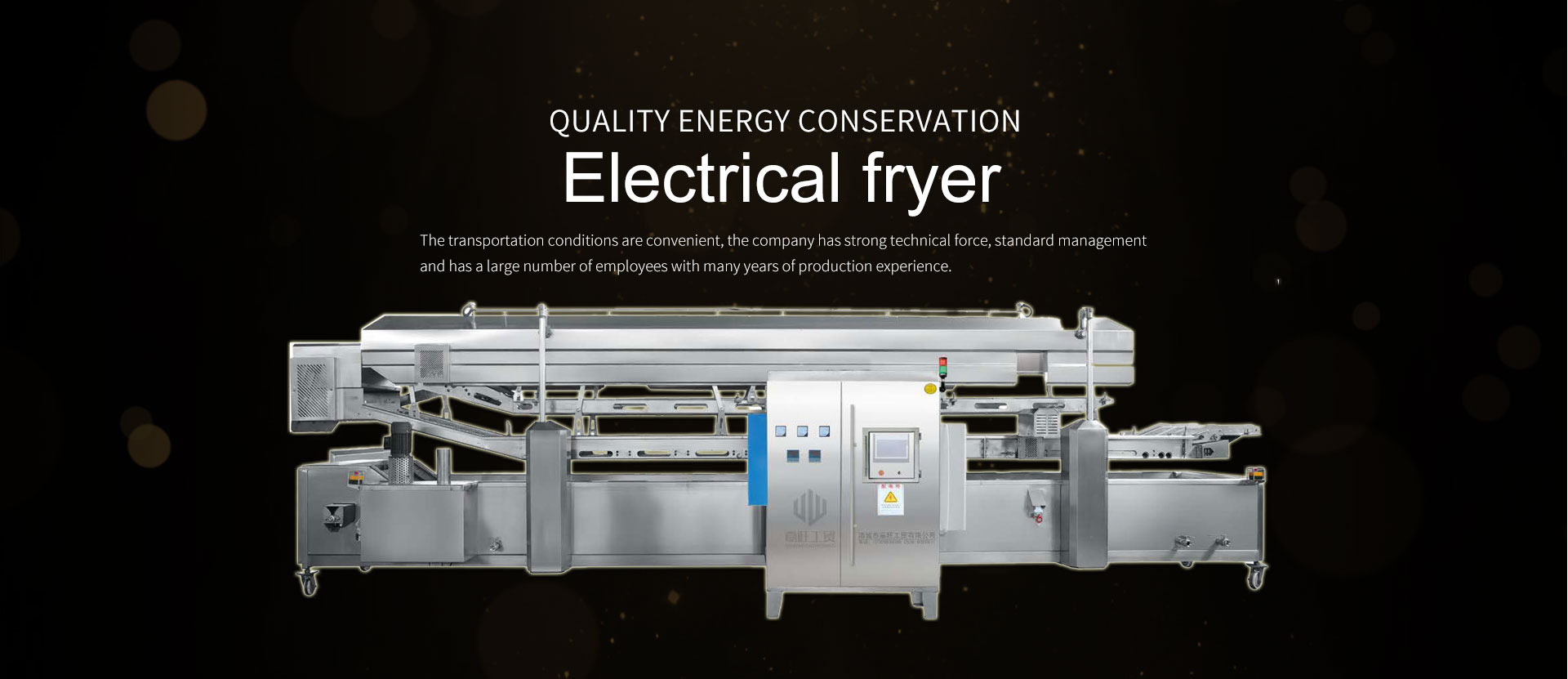
Electrical Fryer Temperature Control: Key Points for Stable Output
Stable temperature control is the foundation of consistent frying quality, energy efficiency, and safer daily operation. For every Electrical fryer user, understanding heat response under changing loads is essential.
In baking equipment and food processing lines, temperature instability can quickly affect color, texture, oil absorption, and output rhythm. Good control reduces waste and supports repeatable production results.
Basic Understanding of Electrical Fryer Temperature Control
An Electrical fryer uses heating elements, sensors, and a controller to keep oil within a target range. Stable output depends on how accurately these parts react to thermal changes.
Temperature control is not only about reaching a setpoint. It also means holding that setpoint during basket loading, product recovery, and continuous production cycles.
When the control system is slow, oil temperature drops too far after loading. When it overshoots, the product surface darkens before the inside reaches the right condition.
Core factors behind stable heat
- Sensor accuracy and placement
- Heating element response speed
- Controller tuning and hysteresis range
- Oil volume and circulation condition
- Product load size and moisture level
Current Industry Concerns in Baking Equipment Lines
In bakery-support frying processes, temperature variation often appears when output increases, recipes change, or maintenance intervals become too long. These conditions create hidden instability.
Products such as filled dough items, coated snacks, and par-baked pieces require tighter frying consistency. Even small oil temperature shifts can change appearance and shelf-life performance.
Why Stable Electrical Fryer Output Matters
A stable Electrical fryer helps maintain predictable frying time, oil uptake, and finished product appearance. This is especially important where fried steps connect with proofing, steaming, or baking stages.
Temperature stability also improves energy use. Frequent overshoot wastes power, while long recovery time slows throughput and creates avoidable waiting between batches.
Safety is another benefit. Controlled heating lowers the chance of localized overheating, accelerated oil breakdown, and sudden process interruptions during continuous production.
In integrated lines, matching fryer behavior with upstream and downstream equipment is critical. Some operations compare configurations with Oil fryer options for process planning.
Typical Operating Scenarios and Control Priorities
Different products place different thermal demands on an Electrical fryer. The key is to align controller settings, oil depth, and batch rhythm with actual product behavior.
Load-related observations
- Cold product creates a larger initial temperature dip.
- Wet surfaces increase evaporative cooling.
- Overfilled baskets block oil movement and reduce uniformity.
- Irregular loading patterns make trend analysis difficult.
Practical Measures for Better Temperature Stability
Start with sensor verification. If displayed temperature differs from actual oil temperature, every later adjustment becomes unreliable. Regular calibration should be part of standard maintenance.
Keep heating surfaces clean. Carbonized residue acts as insulation, slowing heat transfer and causing uneven element behavior inside the Electrical fryer.
Watch oil quality closely. As oil degrades, viscosity and thermal behavior change. The same controller setting may no longer produce the same frying response.
Use production-friendly setpoint logic. A slightly lower idle setpoint and a controlled pre-load boost can reduce shock without creating unnecessary overshoot after loading.
- Record temperature drop after each standard load.
- Measure recovery time to target range.
- Adjust batch size if recovery exceeds the process window.
- Review sensor position if oil zones differ noticeably.
- Inspect circulation, filters, and tank cleanliness weekly.
Where process scale expands, comparing tank layout, circulation method, and control precision with Oil fryer designs can support more stable line planning.
Action Steps for Consistent Daily Operation
For reliable Electrical fryer performance, document a standard window for setpoint, load size, recovery time, and oil replacement condition. Data-driven routines prevent quality drift.
Review actual production trends, not only controller displays. Product color, crust structure, and oil absorption often reveal instability before alarms appear.
A well-managed Electrical fryer supports consistent frying, smoother line coordination, and better resource use across bakery-related processes. Stable control starts with measurable checks and disciplined adjustment.
Online Consultation