


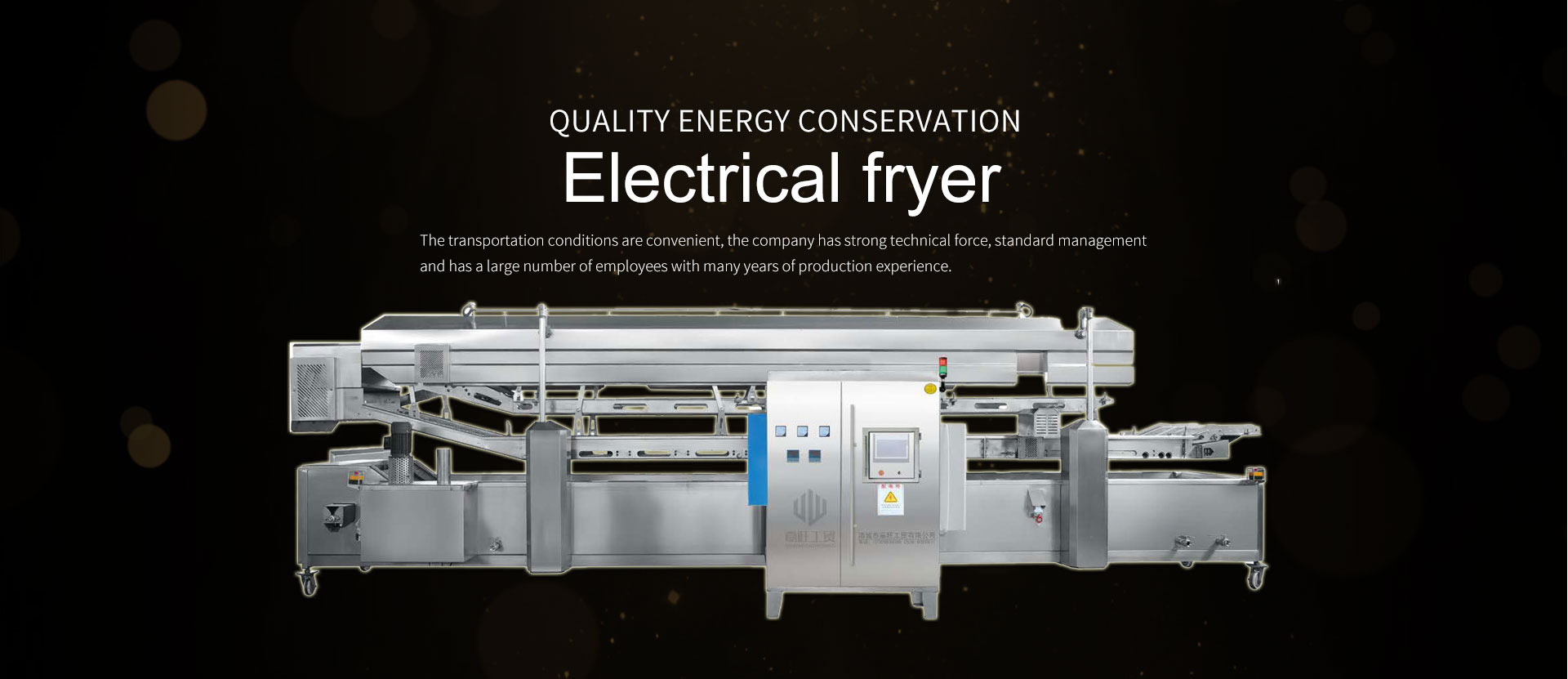
What Does Food Grade Electrical Fryer Mean in Commercial Food Processing?
What Does Food Grade Electrical Fryer Mean in Commercial Food Processing?
In commercial food processing, a food grade electrical fryer is more than just a frying machine—it is a critical part of food safety, product consistency, and efficient production. For bakeries and industrial kitchens, understanding what “food grade” really means helps buyers evaluate materials, hygiene standards, and long-term performance. This article explains the key features, industry requirements, and practical value of choosing the right fryer for modern processing needs.
The phrase often gets used loosely, but in practice it points to one basic question: can this fryer safely handle direct food contact under real production conditions? That includes hot oil, repeated cleaning, moisture, crumbs, seasoning residue, and long operating hours. A machine may look polished on the outside and still fall short if the contact surfaces, welds, seals, or oil circulation areas are not suitable for food processing.
What “food grade” usually covers
For an electrical fryer, food grade usually starts with materials. Stainless steel is common, but the grade, finish, and where it is used matter. Surfaces that touch product or oil are generally expected to resist corrosion, avoid contamination, and remain stable during heating and cleaning. Sharp internal corners, rough weld seams, exposed dead zones, or difficult-to-clean joints can become hygiene risks even if the base material itself is acceptable.
Electrical components matter too, although not in the same way as food-contact parts. Heating elements, temperature probes, control boxes, and cable routing should be designed so that maintenance does not introduce contamination risk or make washdown unnecessarily difficult. In busy bakeries or snack lines, that practical detail often matters more than a brochure claim.
Why it matters in bakeries and prepared food lines
In baking-related processing, frying is rarely an isolated step. A line may include battering, coating, frying, oil filtering, holding, steaming, or baking, depending on the product. Once the fryer becomes part of a larger system, hygiene design affects more than compliance. It also affects flavor carryover, oil life, cleaning time, and product consistency from batch to batch.
For example, if crumbs accumulate in poorly designed zones, oil degrades faster and product color becomes harder to control. That is one reason many processors look not only at the electrical fryer itself, but also at related equipment such as oil filters, oil tanks, steam tunnel machines, steam cabinets, or even upstream handling tools like coater for flat food when building a cleaner and more stable line.
A few practical checks before you trust the label
If a supplier describes a machine as a food grade electrical fryer, it is reasonable to ask for more than the phrase itself. Buyers usually need to confirm:
- Which parts are in direct contact with food or oil
- What material is used in those areas
- Whether the structure supports effective draining and cleaning
- How temperature is controlled and monitored
- Whether the fryer works as a standalone unit or with an oil filter and holding system
- What local market or customer hygiene requirements apply
This does not mean every project needs the same specification. A small bakery producing filled snacks may evaluate differently from an industrial processor running continuous fried dough or coated products. Some lines also connect fryers with double helix cookers, steaming and baking machines, or secondary finishing equipment. The right answer usually depends on throughput, cleaning frequency, oil management, and the sensitivity of the final product.
Food grade is also about long-term operation
One common misunderstanding is to treat “food grade” as a material-only issue. In real production, it is also about whether the fryer keeps performing hygienically over time. Can operators access the tank for cleaning? Do residues build up around heaters? Is oil transfer to the tank controlled cleanly? Does the design reduce unnecessary manual handling?
Those questions become even more relevant when the fryer is integrated with upstream coating or downstream thermal equipment. A line using an electrical fryer after a battering or coater for flat food setup will usually need closer attention to crumb load, oil turnover, and sanitation rhythm than a simpler frying application.
So, what does food grade electrical fryer mean in commercial food processing? It means the machine is designed not just to fry, but to do so in a way that supports safe contact, reliable cleaning, and stable production. If you are comparing options, the most useful next step is not asking which fryer is “best,” but which design, material, and oil-handling setup actually fit your product, process flow, and compliance requirements.
Online Consultation