


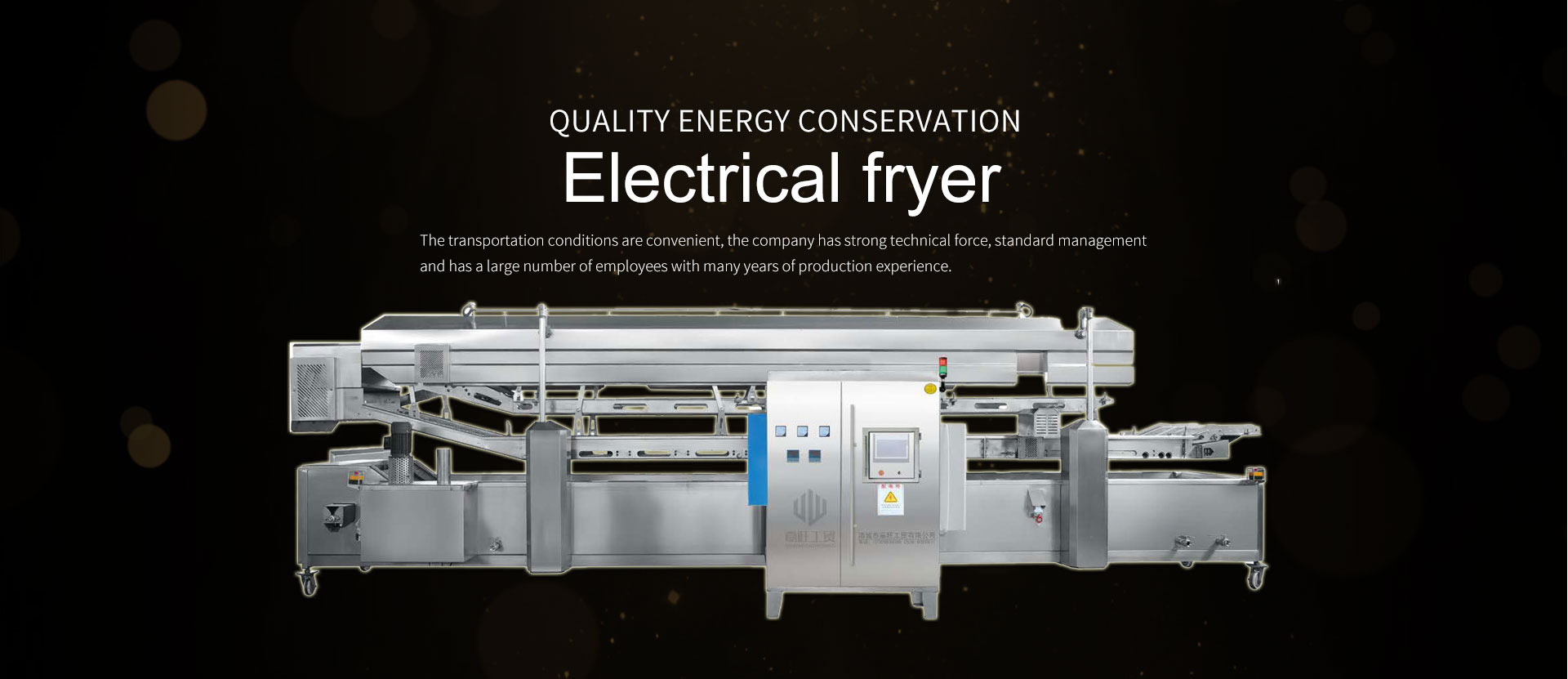
How to Verify Food Grade Electrical Fryer Materials Before Equipment Approval
Before approving any food grade electrical fryer for production, quality control and safety managers need to answer a practical question: can this machine withstand daily contact with food, hot oil, steam, and cleaning chemicals without becoming a contamination point? That is the real issue behind material verification. In bakery and snack processing environments, a fryer may look compliant on the surface, yet still contain weak points in welds, seals, coatings, or non-product-contact parts that migrate risk back into the process.
For most buyers, the mistake is treating “food grade” as a single claim. It is not. Material suitability depends on where the part sits, what it touches, how hot it runs, how often it is cleaned, and whether the supplier can prove consistency from one batch of equipment to the next. Approval decisions should be based on documented evidence, not only on the nameplate or a general declaration.
Start with the real contact map, not the brochure
Before checking certificates, map the fryer by exposure zone. In an electrical fryer, direct food-contact surfaces are only the first layer. Oil-contact surfaces, splash zones, steam-exposed areas, drain paths, filter interfaces, and gasket locations all matter. Some failures begin outside the obvious food zone, then move inward through degraded seals, flaking coatings, or corroded fittings.
For QC and safety teams, this means the approval review should include:
- Basket, tank, inner walls, and drain components that touch food or oil directly
- Weld seams, corners, and polished surfaces that affect cleanability
- Gaskets, O-rings, hoses, valve seats, and sight components exposed to oil and washdown chemicals
- Insulation covers, external fasteners, and support parts located near heat or splash zones
- Any coating, lining, adhesive, or sealant used during assembly
If the supplier cannot clearly identify all material zones, the equipment is not ready for approval review.
Stainless steel grade is necessary, but not enough
In bakery frying applications, stainless steel is usually the first checkpoint, but teams often stop too early. A statement such as “made of stainless steel” has little value unless the grade, finish, and application location are defined. For most fryer bodies and oil-contact areas, 304 stainless steel is common. In more aggressive cleaning conditions or where chloride exposure is a concern, 316 may be preferred. The right choice depends on the cleaning regime and site chemistry, not just on the machine category.
More importantly, grade alone does not prevent hygiene problems. A 304 tank with poor weld finishing, rough surface texture, or dead corners can be harder to clean than a better-designed alternative. Ask for material certificates where necessary, but also inspect fabrication quality. Surface condition, weld passivation status, and drainability often matter more in practice than a broad material claim.
Do not overlook non-metal components
Many approval failures come from parts that receive less attention than the tank itself. Seals, handles, cable entry points, viewing windows, non-stick layers, and valve internals may all face repeated cycles of heat, oil, and detergent. A component can be acceptable for dry food equipment and still perform poorly in a fryer.
Focus your questions on three points:
- Is the material declared suitable for its actual temperature range?
- Is it compatible with edible oil, steam, and the site’s cleaning chemicals?
- Can the supplier provide a declaration or specification showing intended food-contact or adjacent-contact use?
Elastomers are a common example. A compliant gasket on paper may harden, swell, or crack prematurely under hot-oil exposure if the grade is wrong. Once that happens, hygiene and maintenance issues follow quickly.
Ask for evidence that supports audit readiness
For a food grade electrical fryer, the most useful supplier documents are the ones that connect the machine actually delivered to the material claims being made. Depending on market and application, this may include mill certificates, declarations of compliance for food-contact materials, coating specifications, and parts lists identifying where each material is used. Regulatory expectations vary by jurisdiction, so any reference to FDA, EU food-contact framework rules, or other local requirements should be checked against your destination market and product category【待核实】.
What matters during approval is traceability. If a supplier says a seal is food safe, can they identify the seal material, manufacturer, and specification revision? If they substitute a part later, will that change be controlled? These questions matter more than marketing language.
That is also why some buyers compare documentation discipline across related systems, such as an Oil fryer or integrated oil handling line, rather than assessing the fryer in isolation. Material compliance tends to break at interfaces between machines.
Check design details that affect material performance
Even good materials fail in poor designs. During equipment approval, combine document review with a physical inspection or factory acceptance review whenever possible. Look closely at:
- Continuous welds versus intermittent welds in oil zones
- Sharp internal corners that trap residue
- Threaded connections exposed to product or oil pathways
- Bolted assemblies that are difficult to dismantle for verification cleaning
- Mixed-metal contact points that may accelerate corrosion over time
This is especially relevant in bakery operations where crumb load, batter carryover, seasoning residues, and cleaning frequency vary by product line. A machine may pass a general specification review and still create sanitation burden in actual production.
Separate supplier claims from plant reality
One common misunderstanding is that a supplier certificate closes the issue. It does not. Approval should reflect your own operating conditions: oil type, operating temperature, cleaning chemistry, allergen controls, maintenance access, and production hours. A fryer running occasional batches in a test kitchen is not equivalent to one used continuously in an industrial bakery.
For that reason, many safety managers build approval around a short verification sequence:
- Review declared materials by component and contact zone
- Confirm supporting documents for critical parts
- Inspect fabrication quality and cleanability
- Evaluate compatibility with actual plant cleaning and temperature conditions
- Record acceptable substitutions and escalation triggers
If one step is weak, approval should stay conditional.
What usually justifies extra scrutiny
Not every project needs the same depth of review. Extra scrutiny is usually justified when the fryer will handle allergen-sensitive products, export-oriented production, frequent caustic cleaning, high-throughput operation, or integration with filtration and oil recirculation systems. It is also warranted when the supplier offers limited traceability, uses broad “food grade” language without part-level detail, or changes subcontractors frequently.
In those cases, material verification is not a paperwork exercise. It is part of risk control. The cost of getting it wrong is rarely limited to part replacement; it can also affect sanitation validation, audit outcomes, downtime, and product disposition decisions.
A solid approval decision comes from seeing the fryer as a material system, not a stainless steel box. Once QC and safety teams review contact zones, non-metal parts, fabrication details, and document traceability together, the conversation becomes clearer: not “is this fryer food grade?” but “is this equipment verifiably suitable for our process, under our conditions, with evidence we can defend?”
Online Consultation