

Food Grade Oil Fryer Requirements for Safer Snack and Frozen Food Production
Food Grade Oil Fryer Requirements for Safer Snack and Frozen Food Production
In snack and frozen food production, a fryer is not just a heating vessel. It is a hygiene control point, a product quality control point, and in many plants, one of the highest-risk pieces of thermal equipment on the line. That is why the term food grade oil fryer should be evaluated beyond basic material claims. For quality and safety teams, the real question is whether the fryer can be cleaned effectively, hold oil in a stable condition, and avoid introducing avoidable contamination or process variation.
This matters even more in lines handling coated snacks, par-fried frozen foods, dough-based items, or products with loose crumbs. In those applications, oil breaks down faster, fines accumulate quickly, and poorly designed dead zones become hard to manage. A fryer may look acceptable on a quotation sheet and still create daily compliance headaches once production starts.
What “food grade” should mean in practice
For fryer construction, food-contact surfaces typically need to be corrosion-resistant, smooth, and cleanable. Stainless steel is the common expectation, but material selection alone is not enough. Safety managers usually pay closer attention to weld quality, internal corner design, drainability, gasket suitability, and whether the structure traps carbonized residue. A fryer with rough welds or hidden pockets can undermine sanitation even if the base material is technically suitable.
The same logic applies to supporting systems. Oil tanks, oil filters, transfer piping, and return lines should be designed as part of one hygienic system. In many facilities, the oil circuit causes more trouble than the fryer body itself. If the filter housing is awkward to open, or the tank cannot be fully drained, operators will eventually take shortcuts. That becomes a food safety issue, not just an engineering issue.
Oil quality control is built into the equipment
A safer frying process depends heavily on how the equipment handles temperature and residue. Uneven heating, slow recovery, and poor crumb removal all accelerate oil deterioration. In practical terms, that means a fryer should provide stable temperature control, enough circulation for the application, and a realistic way to separate fines before they burn.
This is why many processors assess the fryer together with the oil filter and oil tank, rather than as standalone equipment. Continuous or scheduled filtration can reduce suspended particles, but only if the flow path matches the product load. A line producing battered or breaded items may need a different filtration strategy than a simple potato snack line. Upstream equipment also affects fryer performance. For example, if coating pickup is inconsistent on a product handled by a coater for flat food, the fryer may see unstable crumb loss and faster oil fouling.
Safety requirements go beyond burn protection
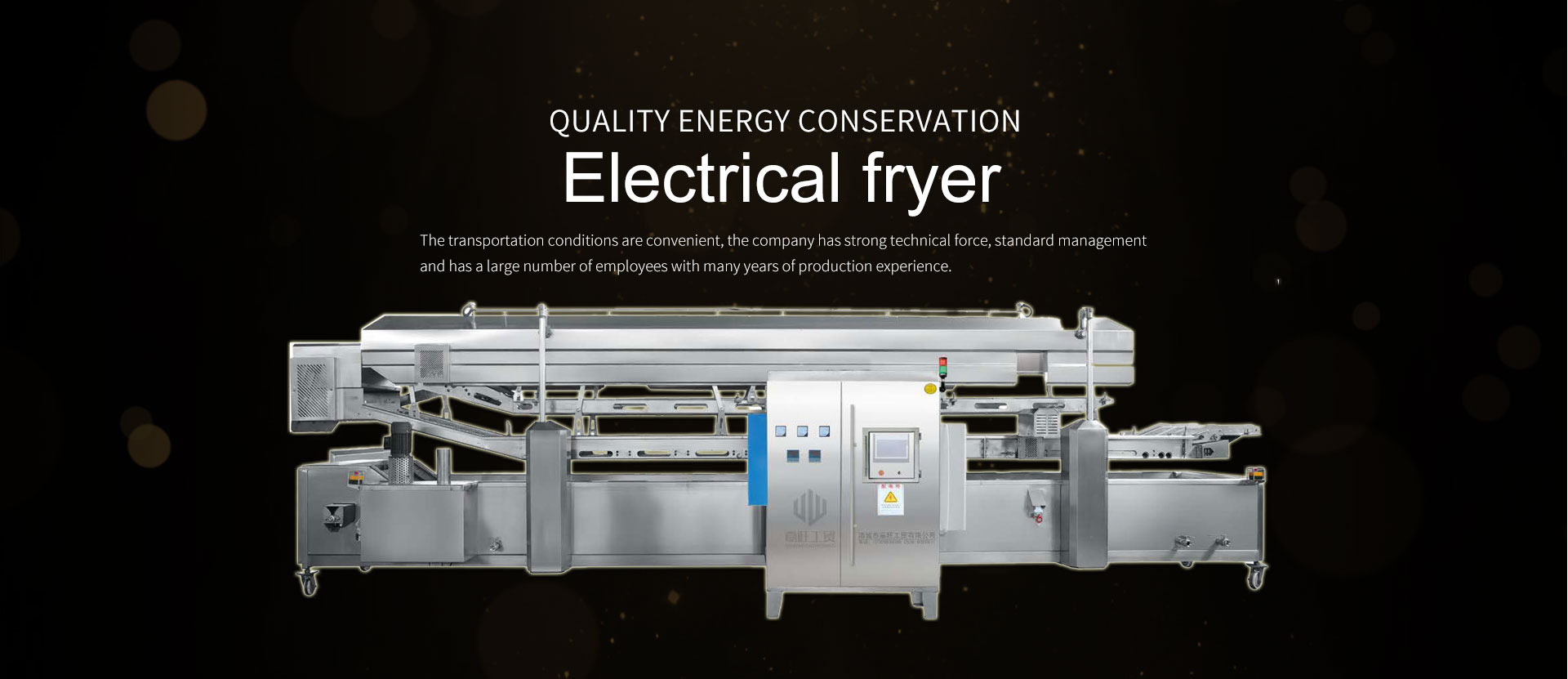
In audits, people often focus on guards, emergency stops, and hot surface warnings. Those are necessary, but they are not the whole picture. Oil overflow control, safe draining procedures, access for maintenance, and ventilation compatibility are just as important. Electrical fryers and oil fryers each bring different risk points. Electrical systems require attention to enclosure protection, wiring reliability, and moisture exposure. Fuel- or thermal-oil-based systems add combustion and heat transfer risks that must be managed in the wider plant design.
Another overlooked point is product carryover between process stages. In frozen food plants using steam tunnel machines, steam cabinets, or steaming and baking equipment before frying, excess surface moisture can cause spattering or unstable oil behavior if transition control is poor. The fryer should be selected with the whole process in mind, not as an isolated machine.
What quality teams usually check before approval
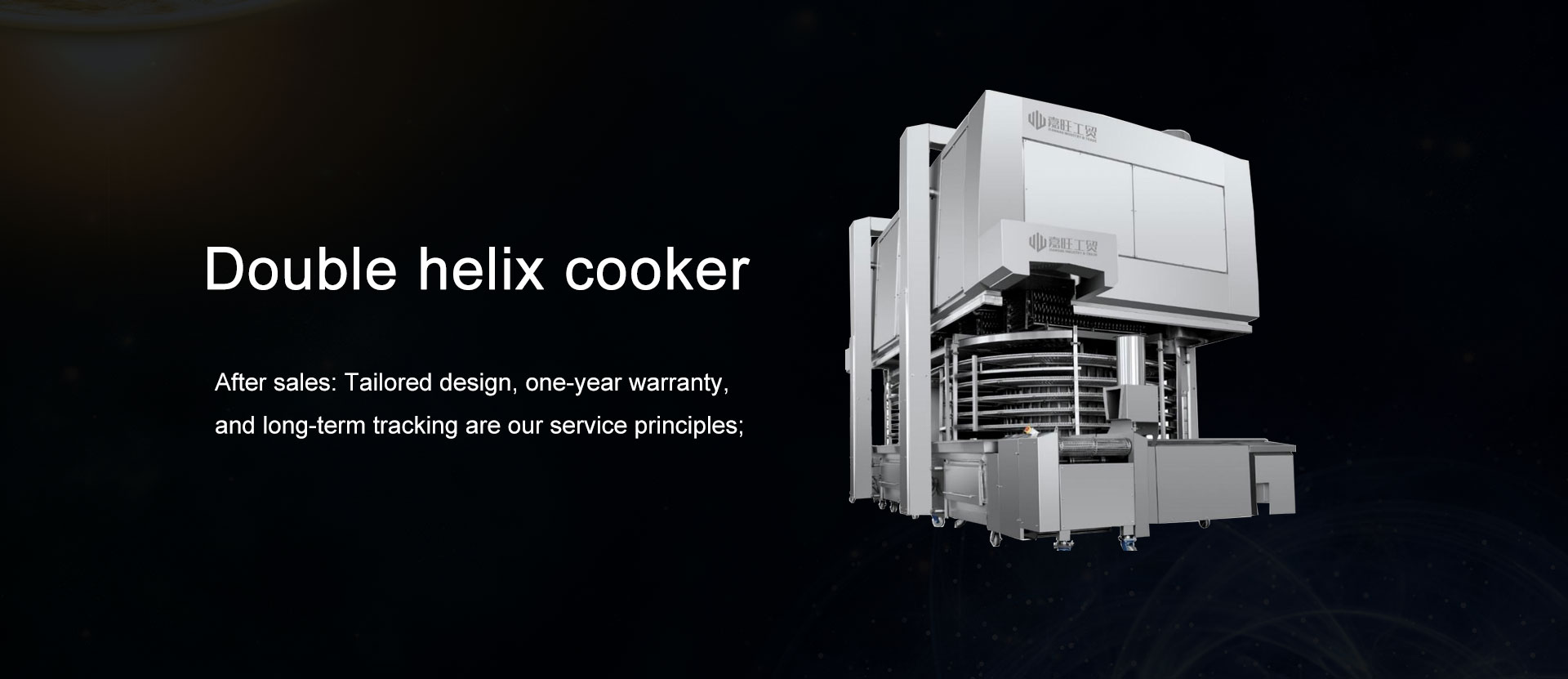
A useful review usually includes these points: whether all food-contact areas are accessible for inspection, whether oil can be drained without residue pooling, whether filtration is sized for the real crumb load, whether sensors are placed where they reflect actual process temperature, and whether cleaning frequency is realistic for the production schedule. If the line also includes high-capacity cooking systems such as a double helix cooker, consistency in hygienic design philosophy across the line becomes important.
Documentation matters too. The supplier should be able to explain material choices, cleaning method, operating limits, and replacement points for seals or wear parts. If those answers are vague, the equipment may be difficult to validate later.
A reliable food grade oil fryer is usually the one that makes routine control easier: cleaner oil, fewer hidden residues, safer maintenance, and less argument between production and QA over recurring deviations. If you are comparing options, ask to review the oil path, drainage details, and cleaning access before looking at output claims. That is often where the real difference shows up.
Online Consultation