

How to Choose a Food Grade Oil Fryer for Different Product Lines
How to Choose a Food Grade Oil Fryer for Different Product Lines
Choosing a food grade oil fryer sounds straightforward until one line is making filled dough snacks, another is handling thin bakery crisps, and a third needs stable color on coated products. At that point, the fryer is no longer just a heating vessel. It becomes part of product quality control, oil management, sanitation design, and line balance.
In baking-related processing, technical evaluation usually starts with temperature range and capacity, but those are only the obvious filters. A fryer that works well for one product can create avoidable problems on another: crumb burning, excessive oil pickup, uneven browning, or a cleaning routine that takes too much labor. The right choice depends on how your product behaves in hot oil, not just on output targets written on paper.
Start with the product, not the machine brochure
Different product lines place very different demands on a food grade oil fryer. Low-moisture, thin products usually react quickly to temperature drift. Heavier or wetter items may need more thermal recovery and better circulation to avoid a pale exterior and underprocessed core. If your line runs coated or crumbed products, sediment handling matters much more than buyers sometimes expect. Fine particles break down oil faster and can scorch at the bottom of the tank if the fryer design does not separate hot-zone exposure from debris collection effectively.
This is where it helps to ask practical questions early: Does the product float or sink? Does it release starch, sugar, crumbs, or filling? Is residence time tight, or can you tolerate some variation? Those answers shape decisions on oil depth, conveyor style, heating response, and whether you also need an oil filter and separate oil tank as part of the system rather than as afterthoughts.
Pay close attention to oil handling and hygiene design
In real production, maintenance and cleaning often decide whether a fryer remains efficient after the first few months. For food-contact equipment, smooth internal surfaces, accessible drain points, and sensible dead-corner control matter more than polished marketing language. If the line changes products often, cleaning access may be as important as throughput.
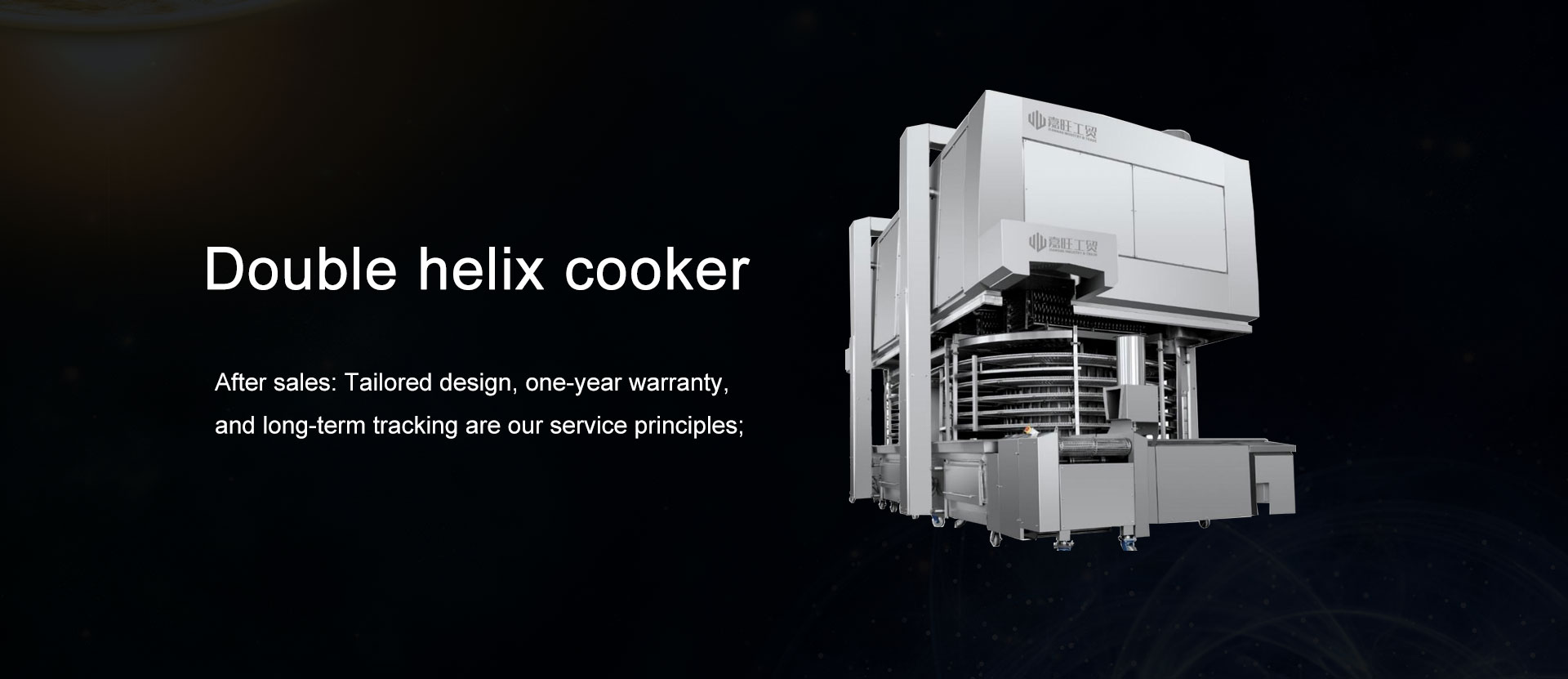
Oil turnover should also be evaluated with the product mix in mind. A line producing cleaner fried items may run acceptably with a simpler setup, while high-crumb applications usually benefit from integrated filtration strategy. That is why some processors review fryers together with upstream and downstream equipment, rather than in isolation. In some layouts, an upstream cooking stage such as a Double helix cooker can change moisture load and surface condition before frying, which in turn affects oil stress and final texture.
Match heat source and control logic to line behavior
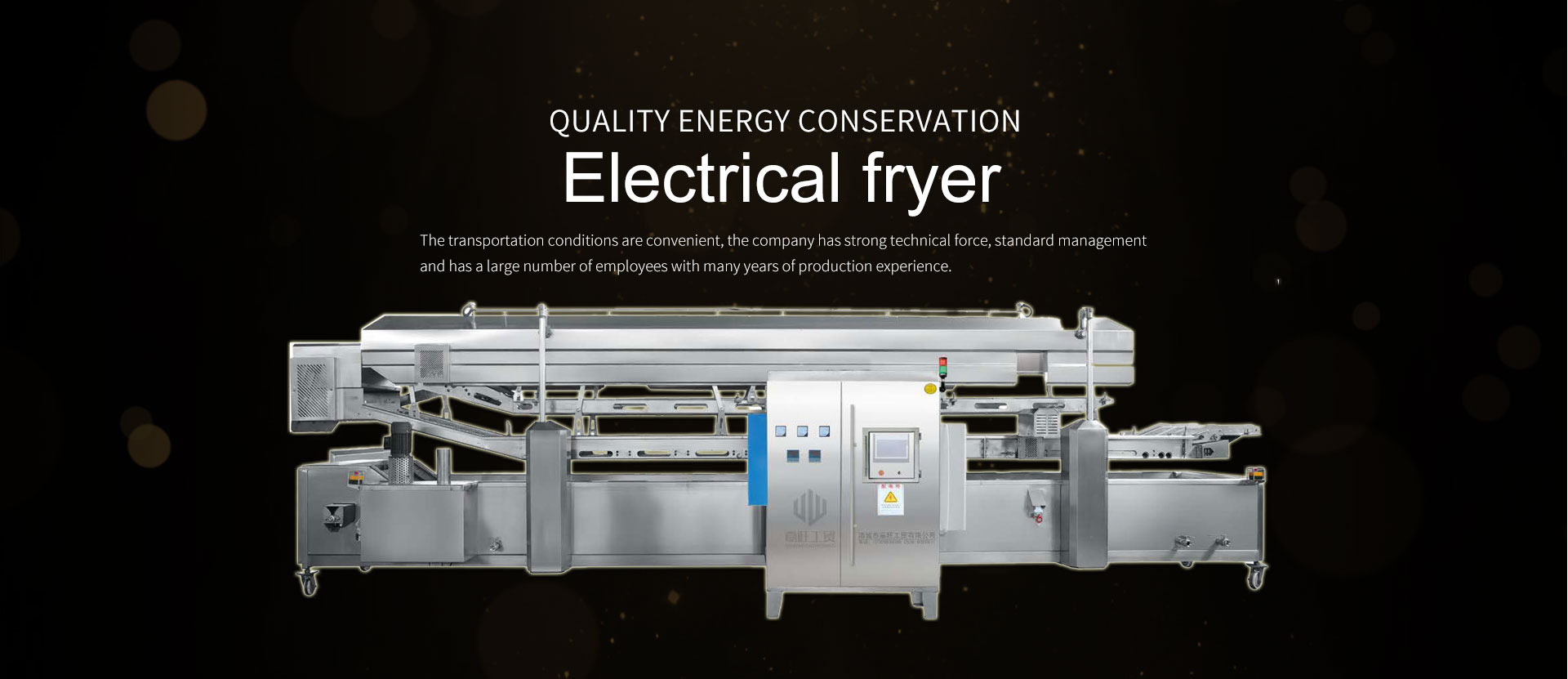
Electrical fryer and oil fryer configurations each have their place. The better option depends on utility conditions, control precision requirements, and plant operating habits. For technical evaluation, the key issue is not which category sounds more advanced, but how quickly the system recovers when cold product enters, how stable the control remains across a shift, and how easy it is to verify actual oil temperature at the product zone rather than only at the sensor point.
If multiple product lines share one fryer platform, control flexibility becomes critical. Recipes with different frying temperatures and dwell times need repeatable settings, and operators should be able to switch without relying on trial-and-error adjustment. This is especially relevant when baking equipment lines combine steaming, baking, and frying stages, because inconsistency upstream can show up as instability in the fryer.
Throughput numbers can mislead
Nominal capacity is useful, but it rarely tells the whole story. A fryer may look sufficient by kilograms per hour, yet still underperform if product loading is uneven or if the line requires frequent stops. Technical teams should look at actual loading density, residence time window, oil volume relative to feed fluctuation, and how the fryer integrates with conveyors, proofing, steaming, or baking sections already in the plant.
That integration point gets overlooked. A fryer selected without considering surrounding equipment can become the bottleneck, or worse, force quality compromises elsewhere. Companies that also work with steam tunnel machine, steaming and baking machine, and steam cabinet layouts often review the fryer as one thermal step within the full process, not as a standalone purchase.
A solid evaluation usually ends with a short list of must-have parameters: product compatibility, oil management method, cleaning access, control stability, and fit with the rest of the line. If one machine scores well on headline output but poorly on sediment control or sanitation access, that trade-off should be made consciously. In fryer selection, the expensive mistake is often not buying too small, but buying a machine that does not match how the product actually behaves day after day.
Online Consultation