

How an Oil Saving Fryer Reduces Operating Costs in High-Volume Frying Lines
In high-volume frying lines, cost control rarely comes from one dramatic change. It usually comes from small, repeatable gains: less oil lost in each cycle, fewer temperature swings, cleaner filtration, and less time spent correcting inconsistency. That is why an oil saving fryer has become a serious consideration for bakery equipment buyers and food processors looking beyond upfront machine price. In operations where fried dough products, snacks, or coated items move continuously through production, the fryer is not just a cooking unit—it is a major cost center.
For decision-makers, the question is practical: will this equipment lower the total cost of running the line over time? In many cases, the answer depends on how well the fryer manages oil, heat, and production stability together rather than as separate issues.
Why oil use is a bigger cost issue than many buyers expect
Oil expense is visible on purchasing reports, but the hidden cost is often even larger. When frying systems run with poor thermal control or weak filtration support, oil breaks down faster. That means more frequent replacement, more product waste from color variation, and more cleaning interruptions. In a high-volume environment, these losses add up quietly.
An oil saving fryer reduces waste by limiting unnecessary oil degradation. Better heat distribution helps avoid hot spots that burn crumbs and accelerate oil aging. More stable circulation can also reduce the amount of oil retained on finished products, which matters when output is measured in large batches every shift. The result is not simply “using less oil,” but getting more productive life from the oil already in the system.
Operating cost reduction starts with thermal efficiency
Energy and oil performance are closely connected. If a fryer struggles to recover temperature after product loading, operators often compensate by adjusting settings or slowing the line. Both responses affect throughput and consistency. An oil saving fryer is designed to maintain controlled frying conditions with less energy waste, especially in continuous or semi-continuous production.
For bakery and prepared food manufacturers, this matters because product quality is tied to repeatability. A stable frying environment supports uniform color, texture, and moisture loss. That reduces rework and reject rates—two costs that are easy to overlook during equipment comparison.
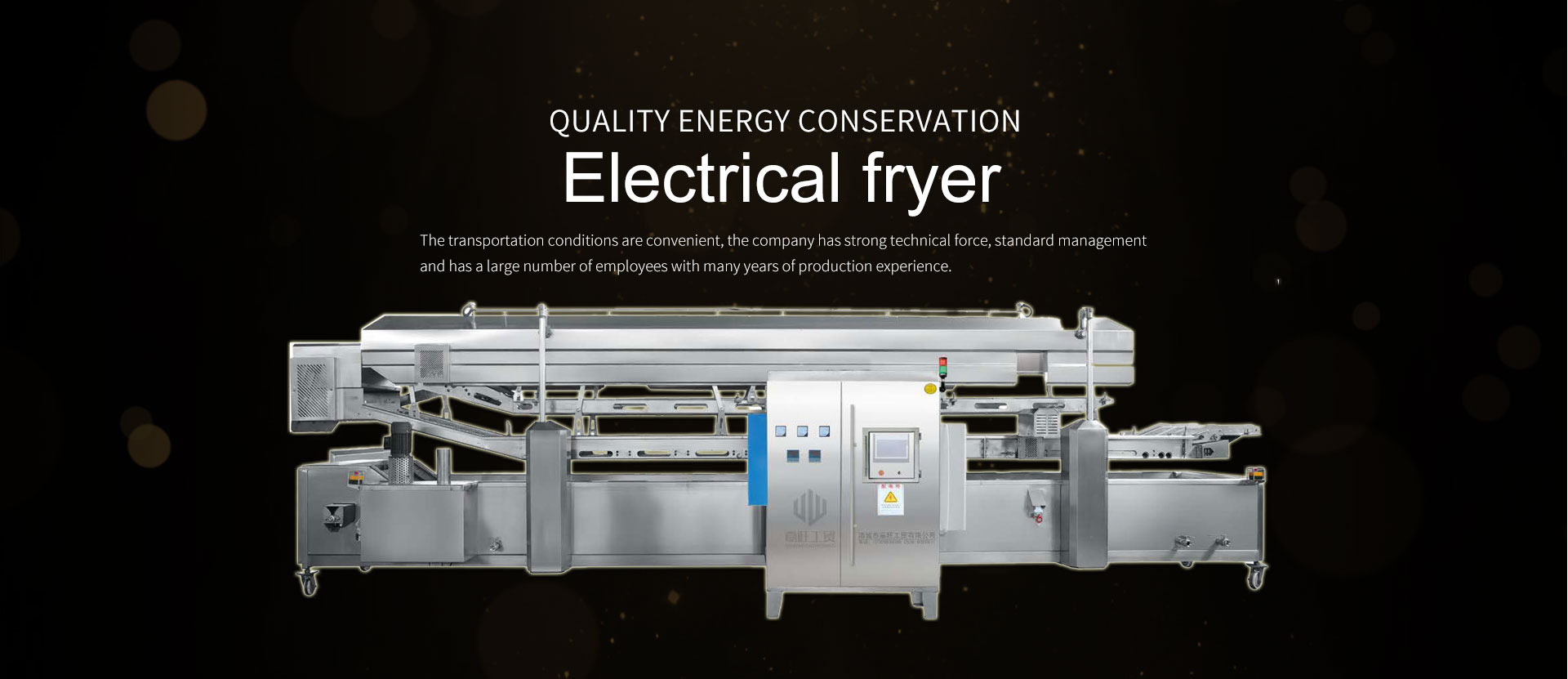
In this context, a well-matched Electrical fryer may appeal to buyers who want precise temperature management and cleaner integration into a modern production line. The right configuration depends on product type, capacity, and plant utilities, but control accuracy should never be treated as a minor feature.
Less downtime often matters as much as less oil
Procurement teams sometimes focus heavily on oil consumption while underestimating downtime costs. In reality, one poorly timed shutdown can erase a meaningful portion of monthly savings. Frying lines need equipment that is easier to clean, easier to inspect, and less likely to suffer from oil contamination problems caused by sediment buildup.
An oil saving fryer supports lower operating costs when it works well with oil filters, oil tanks, and upstream or downstream handling systems. If crumbs are removed efficiently and oil quality remains more stable, maintenance intervals become easier to plan. That does not mean no maintenance—it means fewer disruptions driven by avoidable oil-related issues.
This is especially relevant in bakery equipment environments where frying may connect with steaming, baking, or cooling processes. A fryer that creates instability can affect the rhythm of the entire line, not just one machine.
What buyers should examine before making a purchase
Not every fryer marketed as cost-saving delivers the same value in real production. Buyers should look at several points closely:
- How the system controls temperature under changing load conditions
- Whether the oil circulation and filtration design helps protect oil life
- How easily operators can clean critical zones
- Whether the equipment fits existing line speed and product mix
- How the fryer works with related equipment such as filters, oil tanks, or conveying systems
It is also wise to ask how the fryer handles different production realities: startup periods, shift changes, seasonal output increases, and products with varying crumb release. These details often determine whether projected savings become real savings.
A purchasing decision that should be made on total line economics
For business leaders, the best equipment decision is rarely the cheapest machine on paper. It is the one that protects margin under daily production pressure. An oil saving fryer earns its place when it reduces oil turnover, supports consistent frying results, and keeps the line moving with fewer interruptions.
That is why many manufacturers compare not just fryer size or heating method, but the broader system logic behind it. In some cases, a second review of an Electrical fryer solution makes sense when production goals include tighter process control, cleaner operation, and lower long-term waste.
In high-volume frying lines, profitability is shaped by operational discipline as much as capacity. Choosing a fryer that saves oil while protecting quality and uptime is not a small technical upgrade. It is a purchasing decision with direct impact on cost structure, production confidence, and long-term competitiveness.
Online Consultation