

How to Evaluate an Electrical Fryer Factory for OEM and Bulk Orders
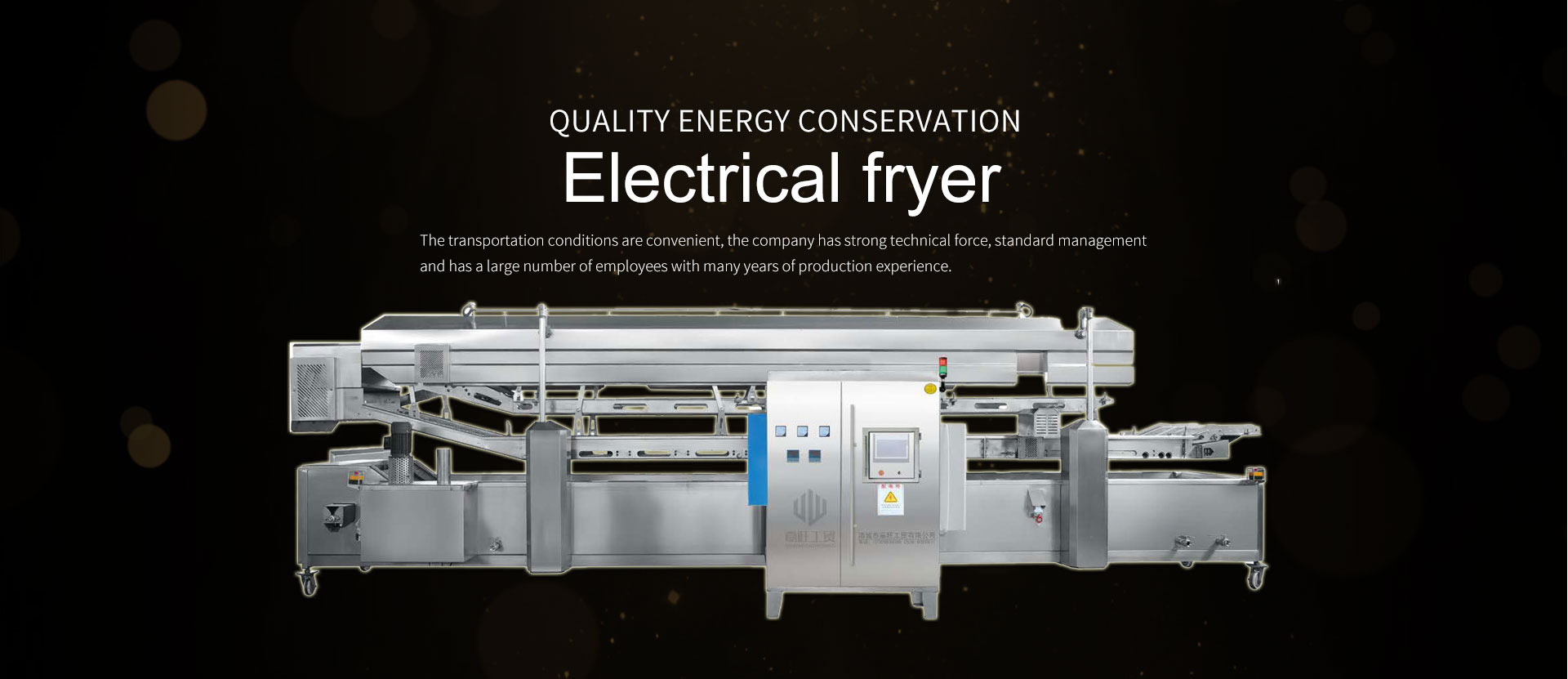
Choosing a factory for OEM or bulk fryer orders often looks simple at the quotation stage. Then the practical questions start: can the supplier hold consistent heating performance across batches, can they adapt tank size or control layout, and will the shipment still match the approved sample after production expands? In baking equipment purchasing, these questions matter because a weak supplier decision rarely creates one obvious failure. More often, it causes repeated delays, uneven product quality, spare-part confusion, or expensive rework after installation.
Many teams begin by comparing prices from several suppliers and assume the lowest acceptable offer is the safest commercial choice. That approach usually misses the harder part of the decision. When you evaluate an electrical fryer factory, you are not only buying equipment; you are testing whether the factory can repeat your requirements under production pressure, document changes clearly, and support the order after delivery.
Where buyers usually misjudge the factory
A common mistake is treating a product catalog as proof of manufacturing strength. A catalog can show models, capacities, and polished photos, but it does not reveal whether the factory controls key processes in-house or depends heavily on outside workshops. For an electrical fryer, this difference affects wiring consistency, heating assembly, cabinet finishing, and final testing.
Another weak point is sample evaluation. A single unit may look fine, especially if it was prepared carefully for inspection. The better question is whether the same build standard can be maintained in a larger run. That is why procurement decisions should move from “Does this sample work?” to “Can this factory reproduce it with stable quality and lead time?”
What to verify before discussing final cost
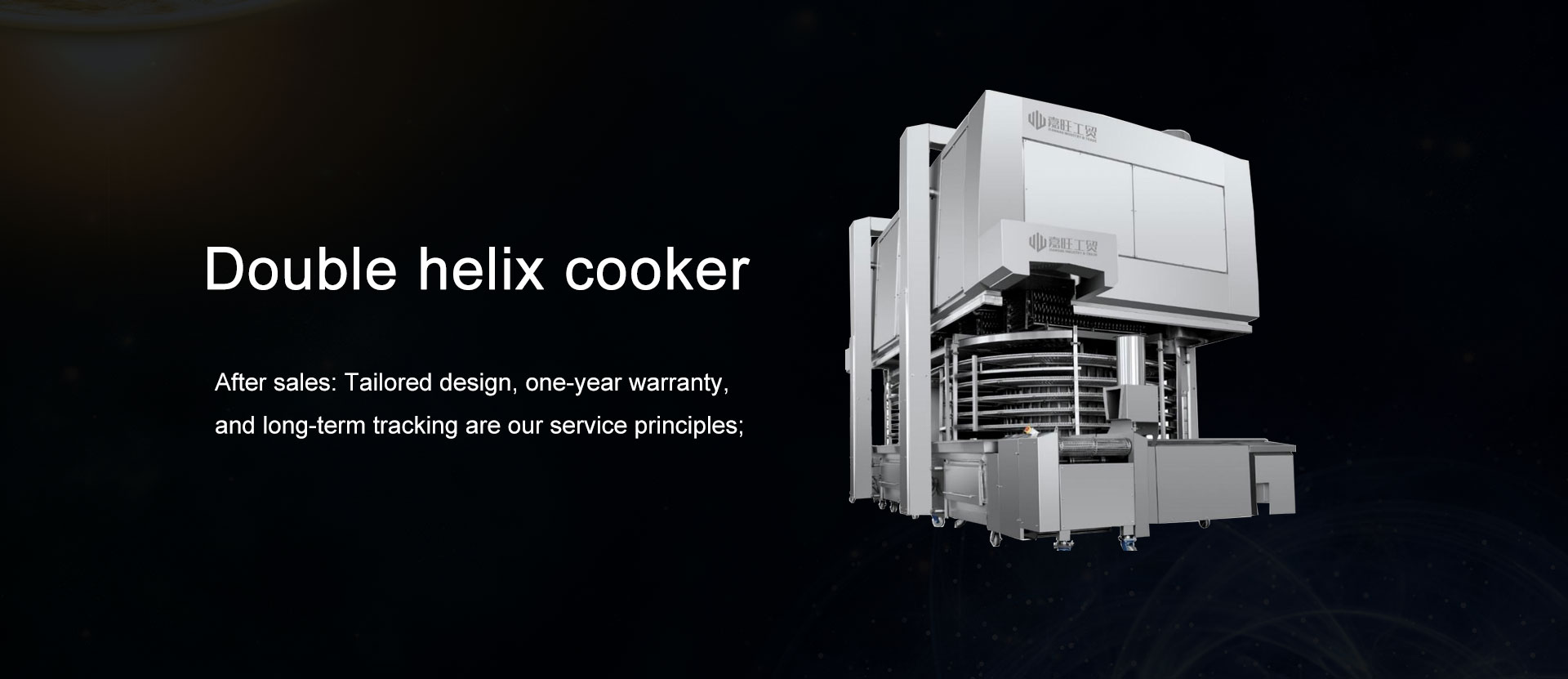
Start with production scope. Ask which parts are made internally and which are outsourced. For baking equipment suppliers handling electrical fryer lines, related products such as oil fryers, oil filters, oil tanks, steam tunnel machines, double helix cookers, steaming and baking machines, and steam cabinets can be useful signals. A broader but relevant production range may indicate stronger process familiarity, though it should not replace direct verification.
Then look at engineering response. OEM orders often involve changes in dimensions, basket design, power configuration, drainage, control panels, or integration with upstream and downstream equipment. If communication around drawings is slow or vague, the problem will usually grow later. A capable factory should be able to explain which modifications are simple, which affect safety or structure, and which need sample confirmation first.
Quality control deserves closer attention than most buyers give it. Instead of asking only whether the factory has inspection, ask at which stages inspection happens. For example, are electrical components checked before assembly, is heating performance tested after assembly, and is there a final function review before packing? The answers do not need to sound polished; they need to sound practical and specific.
How to compare factories without getting lost in details
When several suppliers appear similar, compare them by risk, not by presentation quality. One factory may offer a slightly lower price but require constant follow-up on every drawing note. Another may ask more questions early, which can feel slower, but that often means they are reducing future mistakes. In bulk purchasing, clarity usually saves more than speed at the quoting stage.
Documentation is another useful filter. If you request a change in fryer depth, voltage, or discharge design, see how the factory records it. A reliable electrical fryer factory should turn verbal discussion into drawings, specification sheets, or confirmation files. This matters especially when the order includes matching accessories or adjacent handling tools. In some production layouts, even a small item such as a dipper may need to align with fryer dimensions or workflow, so accessory compatibility should not be left informal.
Questions that reveal supply stability
If you are trying to reduce procurement risk, ask about lead-time control in a practical way. Not “Can you deliver on time?” but “What usually causes delay in this product category?” The answer can tell you whether the factory understands its own bottlenecks. You can also ask how they handle replacement parts for heating elements, thermostats, switches, baskets, or tanks. A factory that treats after-sales support as an afterthought may become difficult once the order has shipped.
Packing should also be reviewed earlier than many teams expect. Bulk fryer orders are vulnerable to damage from movement, moisture, and mishandling. A supplier that can explain packaging logic clearly is usually more prepared overall than one that simply says standard export packing will be used.
Making the final call
In the end, the best factory is not always the one with the biggest workshop or the most aggressive quote. It is usually the one that answers technical questions directly, documents OEM changes carefully, tests products in a repeatable way, and stays consistent from quotation to pre-shipment confirmation.
If you are choosing between several options, slow the process down just enough to verify production reality. Ask for current process details, not general promises. Review sample consistency, customization handling, component sourcing, and after-sales readiness as one connected picture. That approach gives a much clearer view of whether the factory can support a serious order without creating avoidable cost later. When needed, even small workflow items like a second dipper or related handling accessories should be included in the discussion early, so the final equipment package matches real operating use rather than only the quotation sheet.
Online Consultation