

Best Electrical Fryer for French Fries: Key Settings for Crisp Results
Best electrical fryer for french fries starts with the real frying pattern
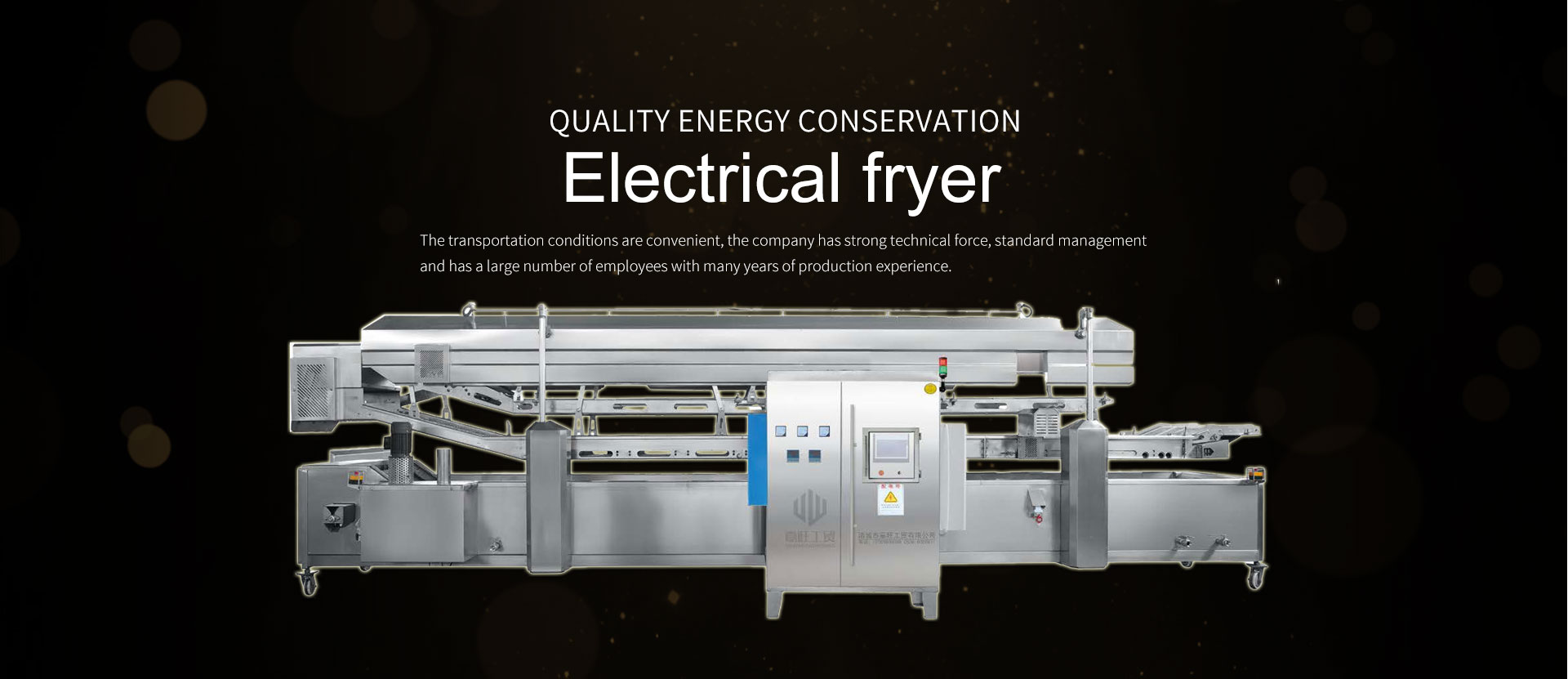
Choosing the best electrical fryer for french fries is rarely about wattage alone.
Crisp texture depends on stable heat, correct dwell time, and clean oil through repeated batches.
In practical food processing lines, these settings affect color consistency, oil pickup, and daily output more than many headline specifications.
That is why the same electrical fryer for french fries may perform very differently across quick service production, central kitchens, or mixed snack lines.
Why one fryer setting does not fit every fries application
Different sites load the fryer in different ways.
Frozen straight fries, fresh cut fries, and coated fries release moisture at different speeds.
Batch size also changes the heat recovery requirement.
A light basket dropped every few minutes is not the same as continuous high-volume frying beside an oil filter and holding tank.
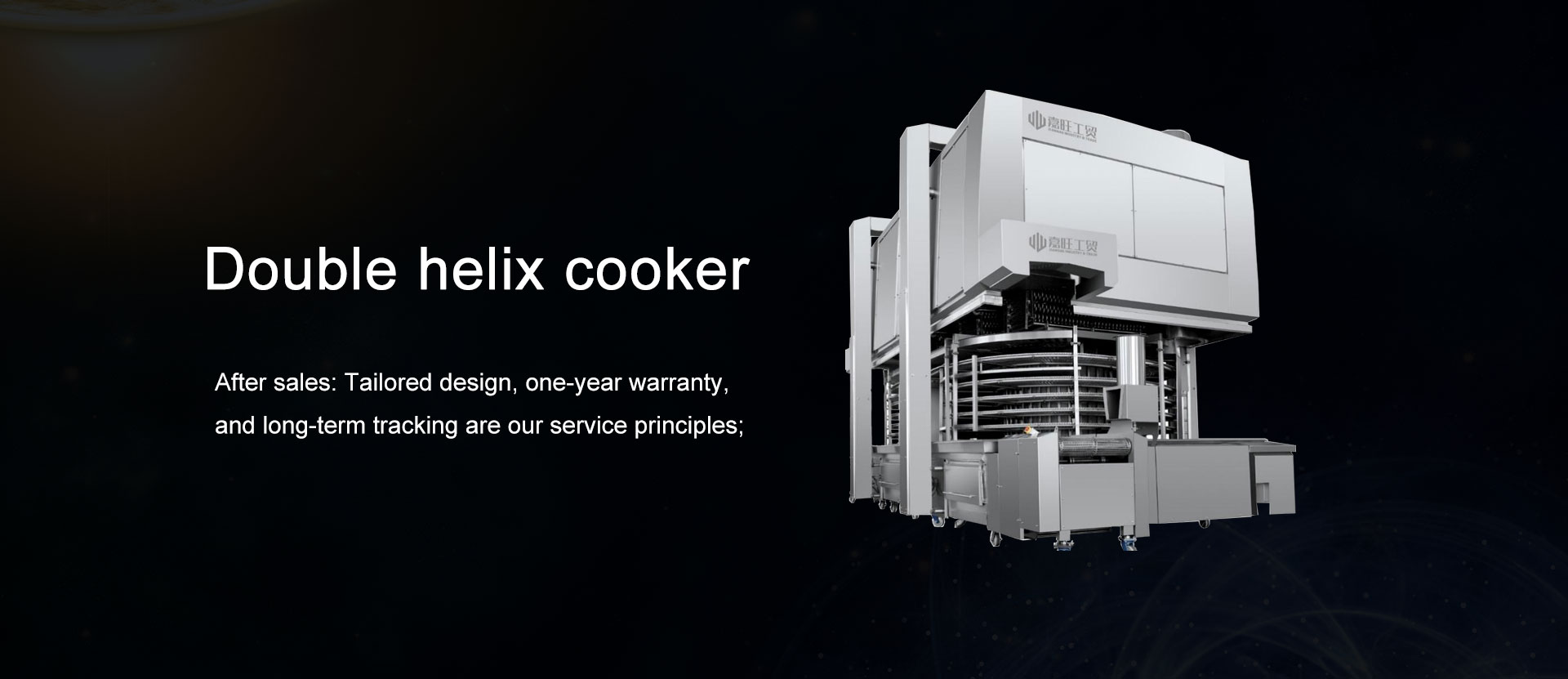
More complete lines may also connect upstream steaming or cooking equipment, which changes starch condition before frying.
In smaller batch use, temperature recovery becomes the first checkpoint
For low to medium throughput, operators often focus on nominal temperature and ignore recovery speed.
That is usually where fry quality starts to drift.
If the electrical fryer for french fries drops too far after loading, the surface seals late.
The result is pale color, soft edges, and heavier oil absorption.
A practical target is not just reaching the setpoint, but returning quickly after each basket without overshoot.
Fresh-cut fries need gentler timing control
Fresh-cut potatoes carry more surface water and more variation in sugar content.
Here, the best electrical fryer for french fries usually works with slightly staged timing rather than one aggressive cycle.
Where pre-treatment is part of the line, steam cabinets or a steaming and baking machine can help even out internal texture before final frying.
For continuous or semi-continuous lines, oil condition matters as much as heat
High-output frying creates a different problem.
Even when temperature looks stable, crumbs and starch fines quickly shorten oil life.
In this setting, the best electrical fryer for french fries should be judged together with oil circulation, filtration frequency, and tank design.
A fryer paired with an oil filter and properly sized oil tank usually holds flavor and color longer during extended shifts.
This is also where coated products need closer monitoring, because seasoning residue and coating fragments accelerate oil breakdown.
On some lines, an upstream drum coater is used to apply surface layers evenly before frying, which changes both frying time and filtration demand.
Different operating conditions change the judgment points
A simple comparison makes these differences easier to evaluate before setting a fryer specification.
Common mistakes before selecting settings
A frequent mistake is comparing fryers only by maximum temperature.
French fries need repeatable results, not just a hot oil reading on an empty tank.
Another weak point is ignoring oil handling around the fryer.
Without proper filtering and sediment removal, crispness declines long before the heater becomes the issue.
Some sites also treat similar potato products as identical.
Shoestring fries, steak fries, and coated fries often need different loading density and timing windows.
A more useful way to match the fryer to the line
- Define the actual product type, cut thickness, and whether fries are fresh, frozen, or coated.
- Measure batch weight and peak hourly output before fixing fryer capacity.
- Check oil turnover, filtration method, and cleaning interval together with fryer settings.
- Review upstream process effects, including steaming, cooking, or coating steps.
- Run trial batches and compare color, texture hold time, and oil pickup after service.
Where coating is part of the process, consistency before frying matters almost as much as the fryer itself.
That is one reason some lines assess the fryer together with a drum coater and downstream oil management equipment.
What to confirm before finalizing the setup
The best electrical fryer for french fries is the one that matches the operating rhythm of the line.
Temperature range, recovery speed, time control, and oil cleanliness should be judged together, not separately.
Before locking the final configuration, compare real batch conditions, maintenance effort, and product variation across the week.
That approach gives a clearer basis for crisp results, steadier output, and fewer adjustments after installation.
Online Consultation