


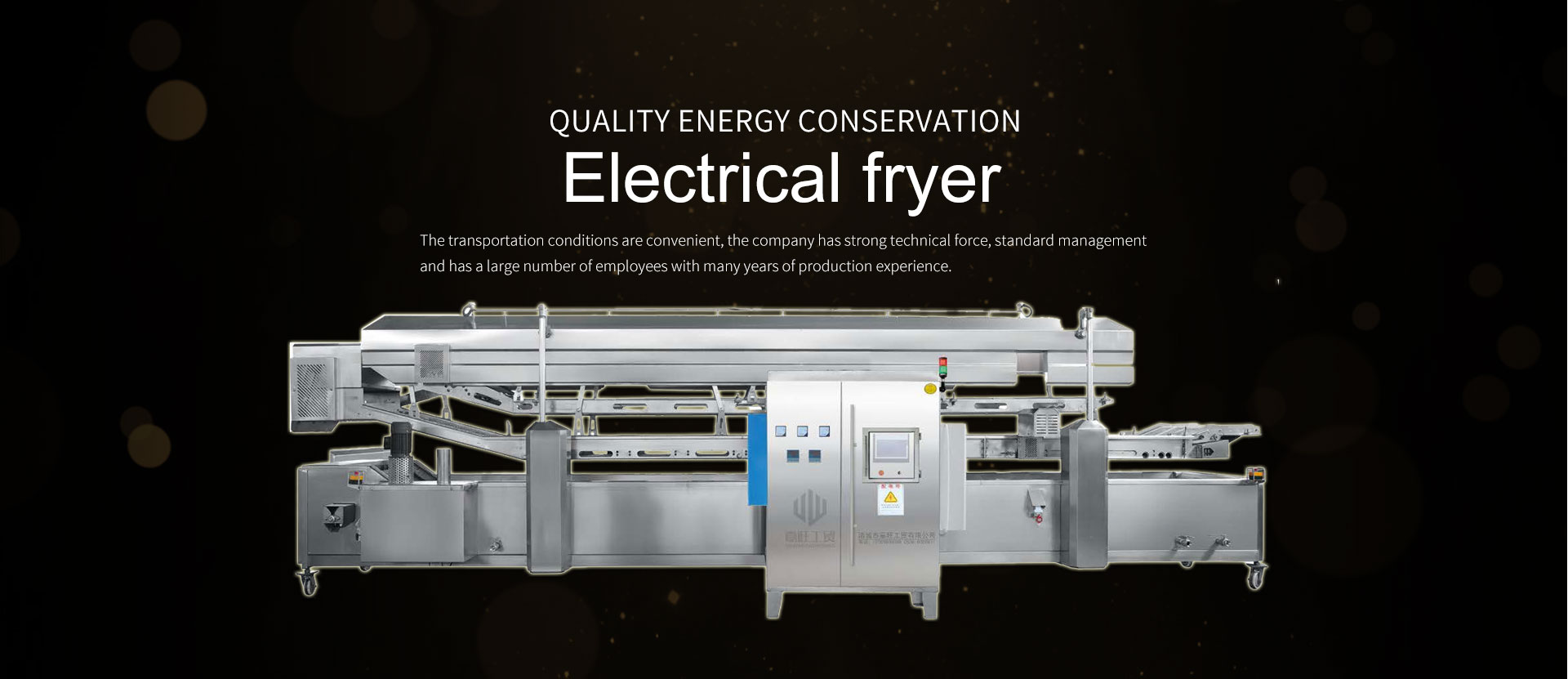
Energy Saving Electrical Fryer: How Much Power Can You Really Cut?
Why power reduction matters in bakery frying lines
Power cost is only one part of the equation when evaluating an energy saving electrical fryer.
In bakery and food processing lines, fryer efficiency also affects throughput, oil stability, product consistency, and maintenance frequency.
That is why the real question is not whether a fryer uses less electricity on paper.
It is whether the system cuts wasted heat during actual production hours, shift changes, standby periods, and cleaning cycles.
What an energy saving electrical fryer really changes
A modern energy saving electrical fryer reduces unnecessary power draw through heating control, insulation, oil circulation design, and stable temperature recovery.
In practical terms, the strongest savings usually come from four areas.
- Faster heat-up with less overshoot
- Better heat retention during continuous runs
- Lower standby consumption between batches
- Reduced oil degradation, which supports cleaner thermal transfer
Simple energy claims can be misleading if they ignore loading patterns, product moisture, and line speed.
How much power can you really cut
In many commercial applications, an energy saving electrical fryer can reduce electricity use by roughly 10% to 30% compared with older or poorly controlled units.
The actual result depends on operating habits more than brochure figures.
A fryer running near full, stable capacity often performs much better than the same machine used in irregular short cycles.
The wider equipment context
Frying efficiency rarely stands alone in a bakery equipment setup.
Electrical fryers interact with oil filters, oil tanks, steam cabinets, steaming and baking machines, and continuous cooking systems.
If oil filtration is weak, the fryer may consume more power over time because carbon buildup reduces heat transfer efficiency.
If product flow from proofing, steaming, or baking stages is unstable, the fryer may spend too long reheating after interruptions.
In coated snack or bakery applications, a downstream drum coater can also influence line balance and cooling rhythm.
What to compare before making a decision
A useful comparison goes beyond rated power.
Look at thermal control
Check temperature accuracy, recovery speed, and sensor response under real product loads.
Review oil handling design
Oil circulation, filtration access, and tank layout affect both energy use and product quality.
Measure total operating cost
Include electricity, oil life, cleaning labor, spare parts, and downtime risk.
Match the fryer to the line
An oversized system may waste energy, while an undersized one may run constantly at peak load.
A practical way to judge savings
Start with current production data, not assumptions.
- Record hourly output, idle time, and temperature fluctuations
- Track electricity use per kilogram of finished product
- Review oil replacement frequency and filtration practice
- Compare line bottlenecks around frying, cooling, and seasoning
That process usually reveals whether an energy saving electrical fryer will deliver a marginal gain or a meaningful operating improvement.
Where the line includes coating steps, the same review can be extended to linked equipment such as a drum coater.
Where to focus next
The best energy decision usually comes from line-level evaluation rather than a single-machine comparison.
When power, oil performance, process stability, and maintenance data are reviewed together, the value of an energy saving electrical fryer becomes much clearer.
A structured assessment of load profile, oil system design, and upstream-downstream coordination is the most reliable next step.
Online Consultation