


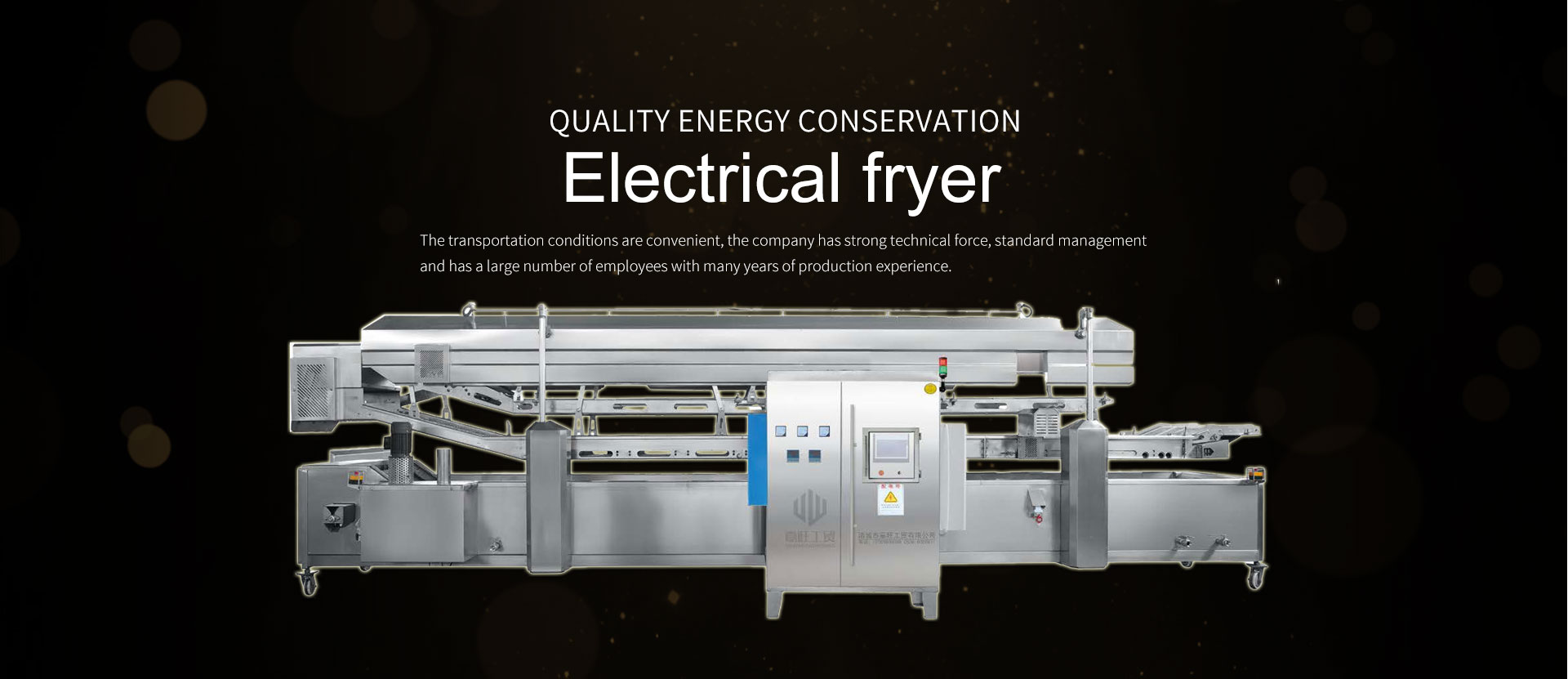
When Does a High Capacity Electrical Fryer Improve Output Efficiency?
A high capacity electrical fryer improves output efficiency when bakery production starts losing rhythm. That usually appears as longer queues between steps, uneven frying results, rising oil waste, or repeated manual intervention during peak runs.
At that point, the issue is not only machine size. It is about whether the frying stage can keep pace with proofing, coating, steaming, baking, cooling, and packing without creating avoidable delays.
Why timing matters more than rated capacity
Many lines buy extra capacity too early or too late. A fryer that is oversized for current demand may raise energy and oil costs without solving a real bottleneck.
A high capacity electrical fryer becomes useful when batch frequency is so high that operators struggle to load, monitor, and unload consistently. In bakery equipment planning, this is often the real turning point.
Stable output also matters when products must meet the same color, texture, and oil absorption target across different shifts. Larger electrical systems often handle that better through tighter temperature recovery.
Operational signals that justify the upgrade
The strongest case appears when several warning signs show up together, not when only one metric changes.
- Frying time is extended because baskets wait for oil temperature to recover.
- Labor increases, but hourly output stays almost flat.
- Oil quality declines faster under repeated small-batch loading.
- Upstream equipment outpaces the fryer, including steam tunnel machines or steaming and baking machines.
- Product consistency drops during busy production windows.
When these conditions appear, a high capacity electrical fryer can reduce interruptions and smooth the full production flow instead of only increasing single-batch volume.
Efficiency depends on the full line
In bakery processing, fryer performance is linked to more than the frying chamber. Oil filters, oil tanks, transfer systems, and product handling all shape actual efficiency.
For example, cleaner oil circulation can help maintain heat transfer and product appearance. A properly matched oil tank also supports steadier replenishment and easier sanitation scheduling.
The same logic applies upstream. If coated products are entering the fryer, a stable crumb layer from a wet crumb coater can reduce variation before frying even begins.
Where line balance often breaks
What to evaluate before making the move
The best decision usually comes from production data, not only supplier specifications. A realistic review should compare peak-hour demand with actual fryer recovery time, usable oil volume, and changeover frequency.
It also helps to check whether the high capacity electrical fryer fits the broader thermal process. In some lines, a steam cabinet, double helix cooker, or steam tunnel machine may already define the pace.
- Measure output by sellable units per hour, not only batch count.
- Track oil life and filtration intervals before and after expansion.
- Review product mix, especially if fried items vary in crumb load or moisture.
- Confirm available power, floor space, cleaning access, and workflow integration.
A practical next step
A high capacity electrical fryer improves output efficiency when it removes a measurable production constraint and supports better control over temperature, oil, and labor rhythm.
The most useful next step is to map the line around the fryer, including oil filters, oil tanks, thermal equipment, and product preparation stages such as a wet crumb coater. That makes capacity planning more accurate and investment decisions easier to defend.
Online Consultation