

Choosing an Electrical Fryer for Seafood Without Flavor Carryover
Choosing an Electrical Fryer for Seafood Without Flavor Carryover
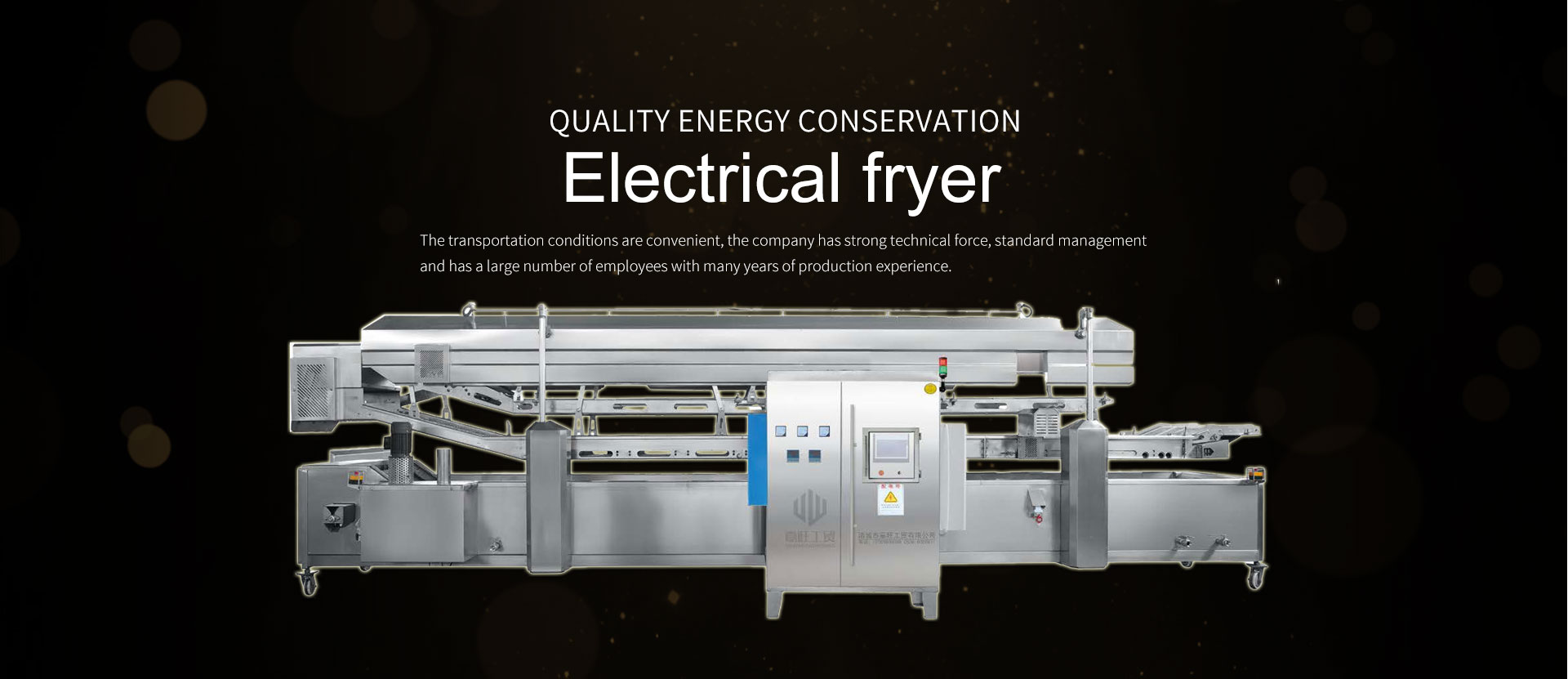
Selecting an electrical fryer for seafood requires more than capacity and temperature control.
Flavor carryover can quickly damage product consistency, oil life, and cleaning efficiency.
That is why a strong electrical fryer for seafood must balance heat accuracy, oil management, and sanitation design.
In practical evaluation work, the best choice is usually the one that reduces hidden process risk.
Start with the Main Source of Flavor Carryover
Seafood releases proteins, fine particles, moisture, and strong aroma compounds into hot oil.
If the fryer cannot remove residue fast enough, later batches pick up unwanted taste and odor.
This matters even more when processing shrimp, squid, fish fillets, or mixed coated products.
A suitable electrical fryer for seafood should therefore limit particle burn, oil oxidation, and stagnant zones.
Key Design Points to Compare
When comparing equipment, focus on the details that affect repeatability every shift.
- Heating stability: tight temperature control helps reduce overcooking and oil stress.
- Recovery speed: fast rebound protects texture during continuous loading.
- Cold zone design: this lowers crumb burning and slows flavor contamination.
- Oil circulation: steady flow improves heat distribution and debris removal.
- Drain and cleaning access: easier sanitation means fewer retained seafood notes.
These points often matter more than nameplate capacity alone.
Why Oil Handling Deserves Extra Attention
An electrical fryer for seafood performs better when paired with effective oil handling.
Built-in filtration or connection to an external oil filter helps remove suspended solids before they degrade flavor.
You should also review oil tank layout, drain time, and dead space around heaters.
A system that empties cleanly is easier to sanitize between species or recipe changes.
That reduces both downtime and the risk of cross-flavor transfer.
Sanitation and Material Choices
Smooth welds, open access, and removable contact parts make a real difference during washdown.
For seafood lines, corners and hidden pockets are common trouble spots.
Ask whether the electrical fryer for seafood supports quick inspection after cleaning.
In some plants, upstream steaming can also reduce fryer burden for delicate items.
That is where equipment such as Steam cabinet may fit into a broader process plan.
Practical Evaluation Checklist
- Test temperature deviation under full and partial loads.
- Check oil turnover, filtration frequency, and residue collection points.
- Review cleaning time between shrimp, fish, and coated products.
- Inspect heater placement and cold zone effectiveness.
- Confirm compatibility with existing oil tank, filter, and transfer systems.
- Compare utility use, control logic, and maintenance accessibility.
This checklist gives a clearer picture than brochure claims alone.
Make the Decision Around Process Stability
The right electrical fryer for seafood should protect flavor separation, product quality, and cleaning efficiency at the same time.
Look for a fryer that heats evenly, recovers quickly, filters effectively, and cleans without delay.
When those basics are solid, flavor carryover becomes easier to control in daily production.
Use side-by-side trials and sanitation reviews to confirm the final choice before purchase.
Online Consultation