

Best Oil Fryer Configurations for French Fries Output, Crispness, and Oil Control
Choosing an Oil Fryer for French Fries: What Actually Changes Line Performance
For French fries, fryer selection is rarely just about heating oil and moving product through it. In real production, the configuration of an oil fryer for french fries affects three things that are usually in tension with each other: throughput, surface crispness, and how much oil the product carries out of the fryer. A setup that pushes output hard can still disappoint if temperature recovery is weak, crumbs burn in the oil, or residence time is difficult to control.
That is why technical evaluation should start with process behavior, not brochure labels. Batch and continuous systems can both work, but for larger-scale fries lines, continuous oil fryers are usually easier to control because conveyor speed, immersion time, oil circulation, and filtration can be tuned as part of one system rather than relying on operator timing.
The fryer body matters more than many teams expect
On fries lines, the structure of the fryer has a direct effect on color consistency. A shallow, poorly circulated oil zone may create hot spots near the heating area and cooler zones near the discharge side. That usually shows up as mixed color, fragile crust formation, or inconsistent moisture removal. In contrast, a fryer with stable oil flow and a predictable product path tends to give a narrower result window, which is exactly what evaluators want when comparing equipment.
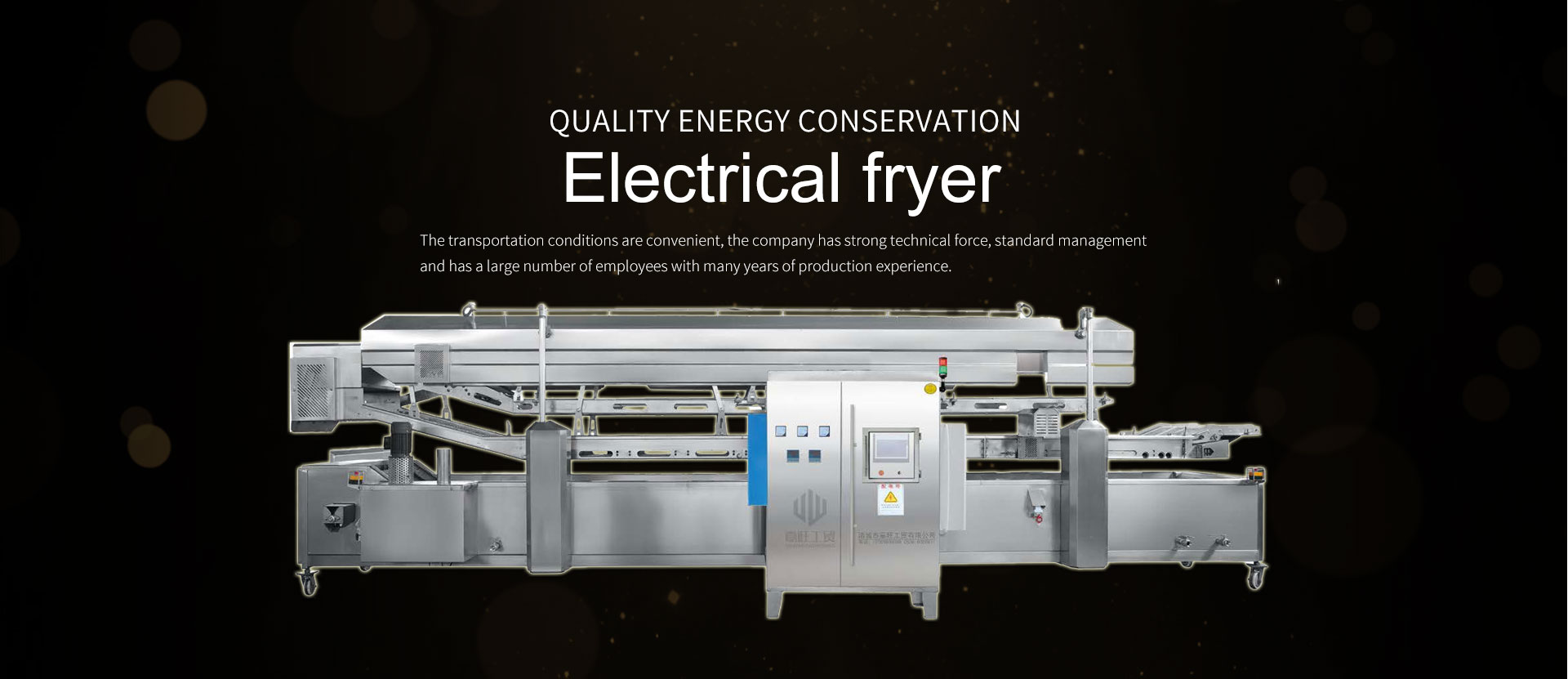
The practical question is not simply “electric or fuel-heated,” although electrical fryer designs can offer cleaner temperature control in some plants. The better question is how quickly the system recovers after a fresh product load enters, and whether the heating arrangement keeps the full frying zone usable instead of creating local stress on the oil.
Crispness starts before the fryer
If the incoming fries have uneven surface moisture or starch carryover, even a well-built fryer will struggle. This is where upstream equipment selection becomes part of fryer performance. In some lines, steam treatment or controlled pre-cooking helps stabilize the product before final frying. Depending on the process route, an Steam tunnel machine may be considered as part of a broader line design when processors need more uniform thermal preparation before the oil stage.
That does not mean every fries line needs extra thermal equipment. It means crispness is a line result, not a fryer-only result. Evaluators should look at cut size variability, blanching or pre-cooking stability, and dewatering conditions before blaming fryer performance.
Oil control depends on more than drain time
A common mistake is focusing only on post-fry draining. Oil pickup is also influenced by crust development, exit handling, and how clean the oil remains over time. If fines accumulate and break down in the fryer, the oil darkens faster and the product surface can become rougher, which often increases oil retention. This is why integrated oil filter design is not a side feature. It is a quality-control feature.
The oil tank design also deserves attention. Evaluators usually ask about capacity, but shape, dead zones, access for cleaning, and sediment management are just as important. A tank that is hard to clean will eventually affect both flavor carryover and maintenance frequency. In high-output operations, those “small” issues become line-level problems very quickly.
What to check during technical comparison
When comparing fryer solutions, it helps to stay close to operating questions:
Can the conveyor and immersion arrangement keep fries submerged consistently? Is residence time adjustable enough for product changes? How is crumb removal handled during long runs? Does the oil circulation pattern support even heat transfer? How easy is it to inspect the tank, filters, and discharge area between shifts?
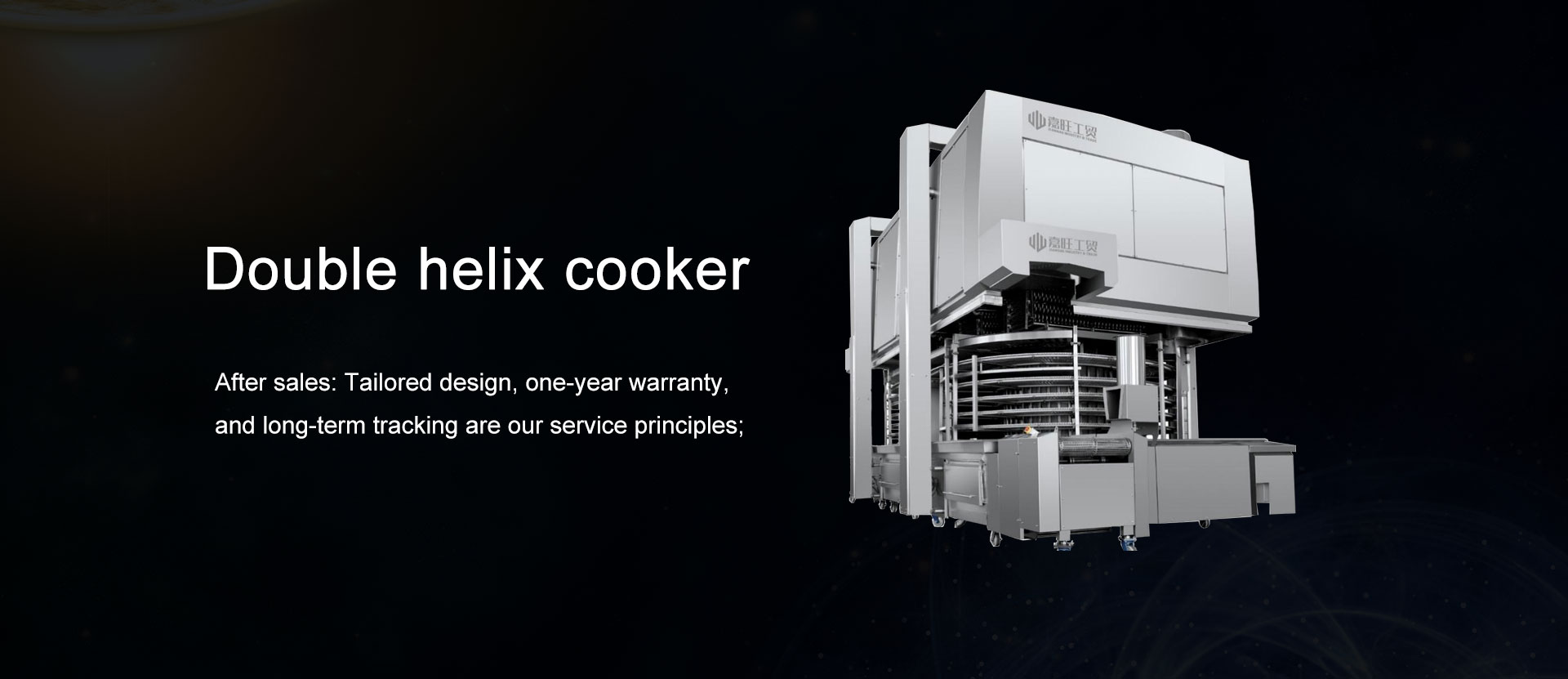
Suppliers offering broader frying and thermal processing equipment, such as oil fryer, electrical fryer, oil filter, oil tank, double helix cooker, steaming and baking machine, or steam cabinet systems, are often in a better position to discuss line interaction honestly. Not because one machine solves everything, but because fries quality usually depends on how these sections connect.
In the end, the best oil fryer for french fries is the one that gives stable heat behavior, manageable oil condition, and enough control to absorb day-to-day product variation. If a configuration looks efficient on paper but leaves too many variables to operators, it is probably not the best fit for a serious production line. That is usually the difference between a fryer that merely runs and one that keeps producing saleable fries shift after shift.
Online Consultation