

How to Select an Oil Fryer for French Fries Without Overcooking or Excess Oil
In a busy frying line, French fries rarely fail because of the potato alone. More often, the problem starts with the fryer: oil runs too hot at the wrong moment, temperature recovery lags after loading, or the tank design leaves fries sitting in oil longer than they should. That is why selecting the right oil fryer for french fries is less about buying a machine with enough capacity and more about controlling what happens in every second of the frying cycle.
Operators usually want three things at once: even color, a crisp surface, and low oil pickup. Those goals are connected. When temperature is unstable, fries absorb more oil before the crust forms properly. When residence time is hard to control, some batches turn pale while others overcook. A suitable fryer should make these variables easier to manage, not harder.
Start with the frying behavior, not just the output target
A common mistake is choosing equipment only by hourly capacity. For French fries, product movement through the fryer matters just as much. Ask how the fries enter the oil, how they stay separated, and how long they remain submerged. If product flow is uneven, the best heating system still cannot fully prevent inconsistent results.
For continuous production, look for a fryer that gives you reliable control over dwell time. This is especially important if your line handles different cut sizes or moisture levels. Thin fries react quickly and can overbrown fast, while thicker cuts may need longer frying without excessive surface darkening. Good equipment should let operators adjust time and temperature without turning every recipe change into a trial-and-error exercise.
Temperature stability is the real safeguard against overcooking
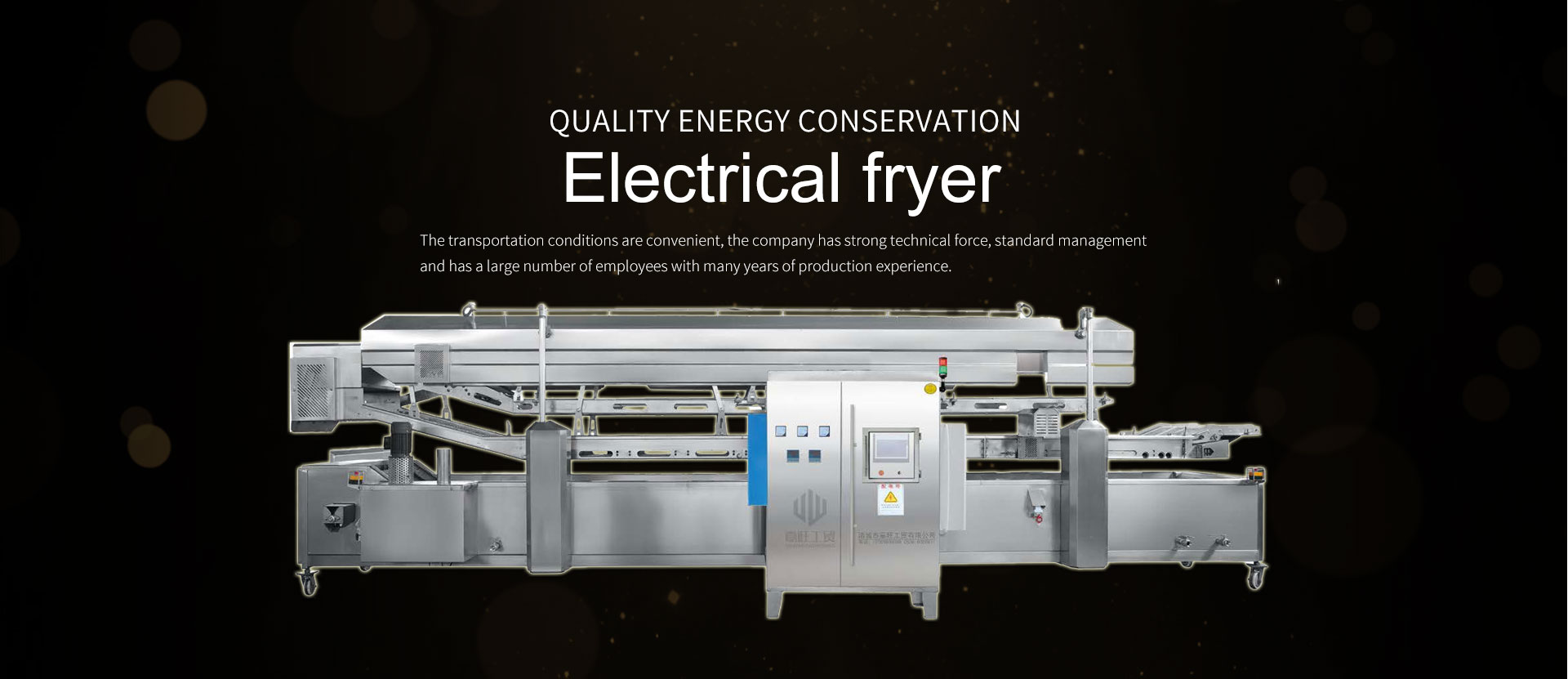
If you are comparing models, pay close attention to temperature control and recovery speed. An oil fryer for french fries should maintain stable heat when a fresh load enters the tank. Large temperature drops can delay crust formation, and overheated recovery can scorch the next batch.
Look for practical design features such as well-placed heating zones, responsive controls, and oil circulation that reduces hot and cold spots. In day-to-day operation, this means fewer surprises between the first basket and the last run of the shift. Stable frying conditions also reduce the need for operators to compensate manually, which is often where inconsistency begins.
Tank design affects oil absorption more than many buyers expect
Not all fryer tanks behave the same. The shape of the tank, the oil depth, and the way crumbs are managed all influence final product quality. French fries release particles during frying, and if debris remains in high-heat areas, it can degrade oil faster and affect flavor and color.
A thoughtful oil tank design helps separate sediment from the active frying zone and supports cleaner oil over longer runs. Combined with an oil filter system, this can reduce burnt residues that contribute to off-flavors and unnecessary oil darkening. Cleaner oil does not just look better; it supports a more consistent fry and helps operators avoid pushing fries longer to reach the desired color.
Consider the upstream process if fries are sticking or frying unevenly
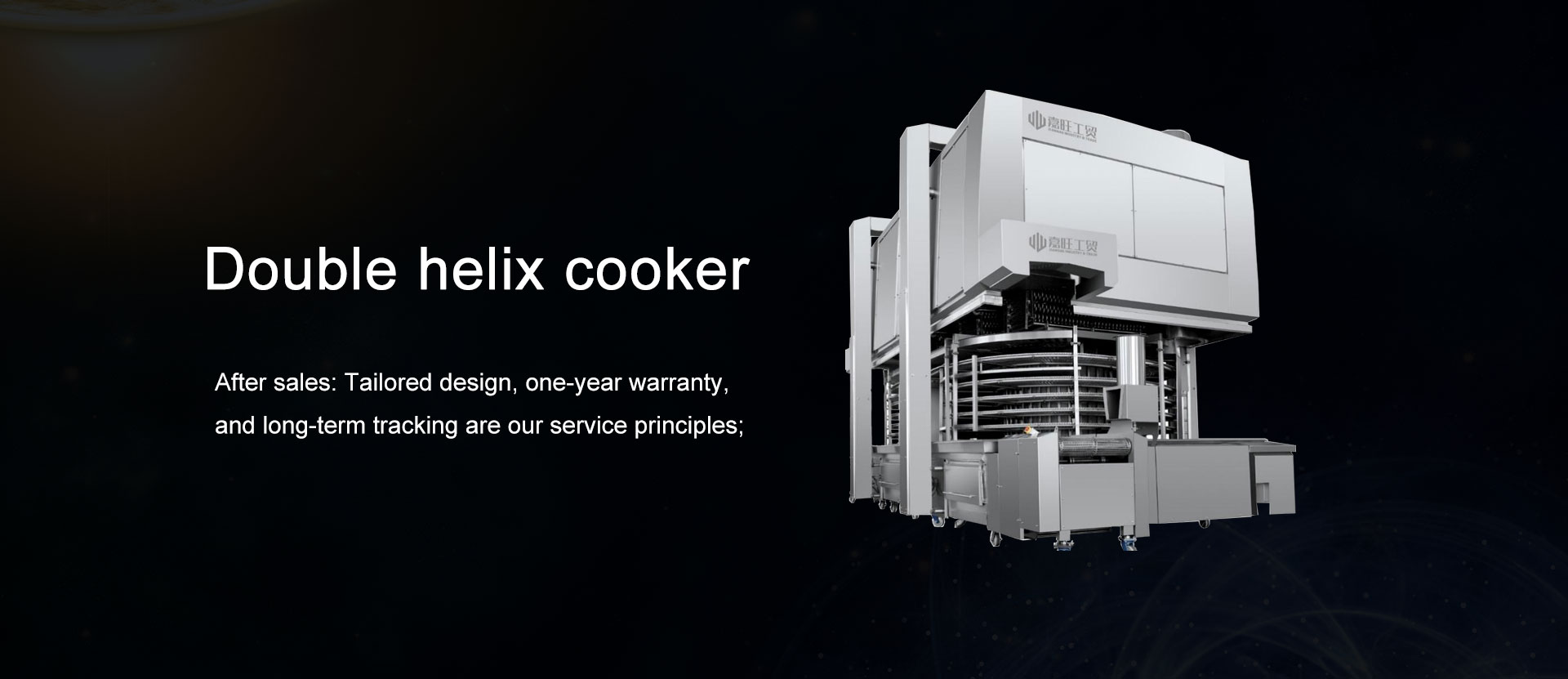
Sometimes fryer selection problems are actually line-integration problems. If fries enter the oil with inconsistent surface starch or moisture, even a good fryer will struggle. In some processing lines, pre-cooking or controlled thermal treatment before frying improves product behavior. Depending on the application, equipment such as a Double helix cooker may be part of a broader approach to stabilizing product texture before final frying. This is worth considering when your goal is not only frying efficiency, but repeatable product quality across the whole line.
Ease of operation matters more than spec sheets suggest
Operators do not work from brochures. They work under shift pressure, cleaning schedules, production targets, and raw material variation. A fryer that is difficult to adjust, inspect, or clean often creates quality issues over time. Controls should be intuitive enough for quick parameter changes. Access for cleaning should be practical, especially around oil-contact zones, filters, and drainage points.
If daily maintenance is awkward, oil management usually suffers first. Once oil quality declines, overcooking and excess oil absorption become harder to prevent. In other words, user-friendly design is not a convenience feature; it is part of process control.
Questions worth asking before you decide
When comparing options, focus on a short list of operational questions:
- How well does the fryer maintain temperature during continuous loading?
- Can frying time be adjusted precisely for different fry sizes?
- Does the oil circulation design promote even heating?
- How are crumbs and sediment removed from the frying zone?
- How easy is the system to drain, filter, and clean during routine operation?
- Will the fryer integrate smoothly with upstream and downstream equipment?
The best oil fryer for french fries is not simply the one with the biggest tank or highest rated capacity. It is the one that gives operators control: control over temperature, control over product movement, and control over oil condition. When those three elements are in place, fries come out crisp and golden with less waste, fewer rejected batches, and a process that feels far more predictable from one shift to the next.
Online Consultation