

When Does a Continuous Oil Fryer Make Sense for Industrial Food Production?
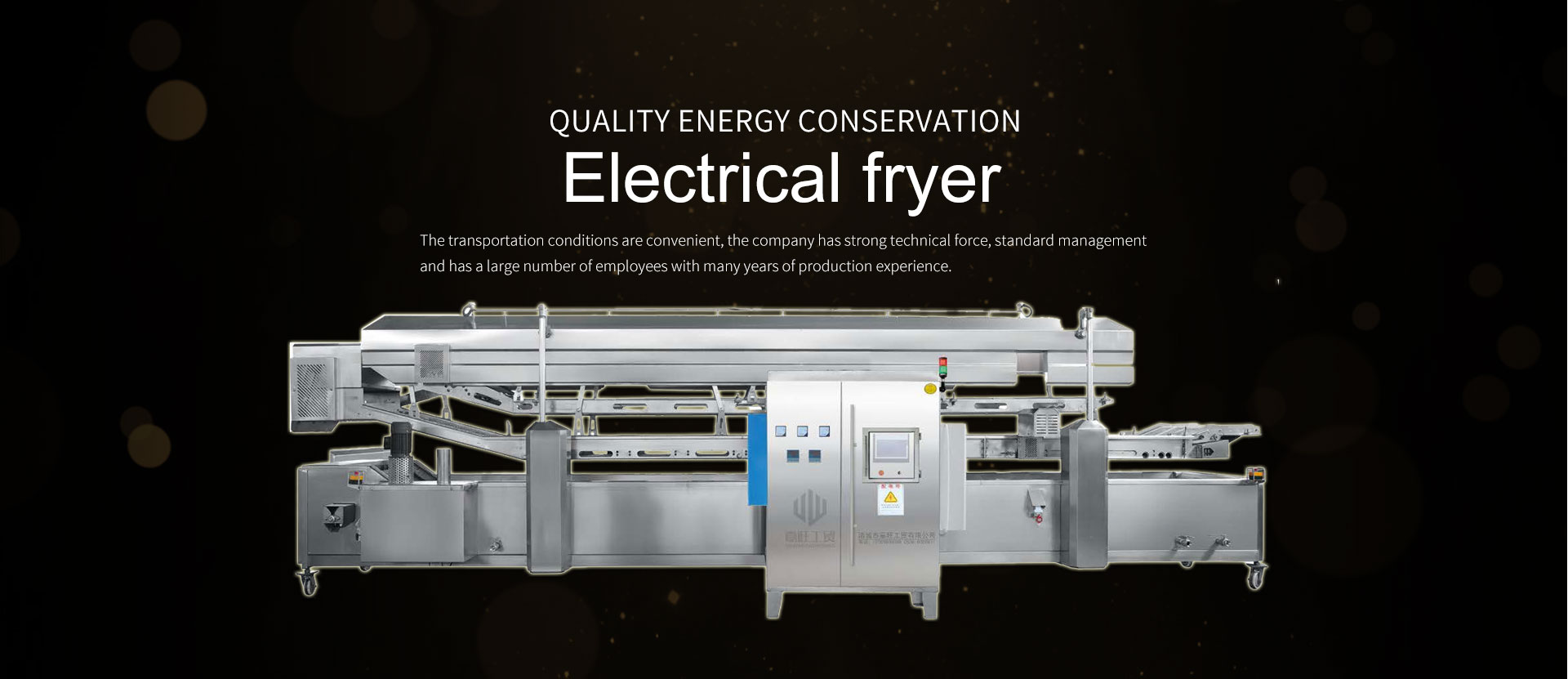
For growing food manufacturers, choosing the right frying system can directly affect output, product consistency, and operating costs. A continuous oil fryer becomes a practical solution when batch frying can no longer meet production demands or quality standards. In industrial baking and snack processing, understanding when to upgrade helps businesses improve efficiency, oil control, and overall line integration with equipment such as oil filters, tanks, and thermal processing systems.
When Is a Continuous Oil Fryer the Right Move?
A continuous oil fryer makes sense when production volume, consistency requirements, and labor efficiency start to exceed what batch frying can realistically support on a daily basis.
For most industrial food producers, the decision is not only about frying more product. It is about creating a stable, repeatable process that supports long runs.
If your team is dealing with uneven color, variable texture, or output bottlenecks, a continuous oil fryer often becomes a practical upgrade rather than a luxury investment.
What Searchers Usually Need to Know Before Choosing One
People researching a continuous oil fryer usually want to know whether it fits their production stage, product type, and cost structure before moving deeper into equipment selection.
They are typically comparing batch and continuous systems, looking for clear signs that justify a change in capital spending, plant layout, and process integration.
The most useful answer is not a generic product description. It is a decision framework based on throughput, quality control, oil management, and future expansion.
Clear Signs Batch Frying Is Becoming a Limitation
One common sign is inconsistent product quality across shifts. Manual loading, timing differences, and variable oil temperature recovery can create noticeable variation in finished products.
Another sign is labor dependence. If output relies heavily on operator judgment, production results can change too much from one team or shift to another.
Frequent stoppages, slow turnaround between batches, and limited hourly capacity also show that the current setup may be holding back overall line performance.
When these issues begin affecting customer standards, order fulfillment, or unit costs, continuous processing becomes much easier to justify.
Why Continuous Frying Improves Industrial Production
The main strength of a continuous oil fryer is stable process control. Product moves through the fryer at a controlled speed, under more uniform temperature conditions.
This helps manufacturers achieve more consistent color, moisture reduction, texture, and frying time, especially for snack foods, coated items, and baked-fried products.
Continuous systems also support better production rhythm. Instead of stopping and starting between batches, the line runs steadily, improving both throughput and scheduling efficiency.
In facilities expanding beyond frying alone, integration with oil filters, oil tanks, steaming equipment, or related thermal systems can further improve process continuity.
How to Judge Whether the Investment Will Pay Off
The right question is not simply the machine price. The better question is whether the system reduces operating inefficiencies that already cost money every day.
Start by reviewing hourly output targets, labor input, scrap rates, oil replacement frequency, and customer complaints related to frying consistency or product appearance.
If a continuous oil fryer can reduce downtime, improve yield stability, and increase sellable output, the return may come from multiple small gains working together.
For growing processors, these gains often include less manual handling, better oil control, more predictable production planning, and easier scaling for larger orders.
Oil Management and Line Support Matter More Than Many Buyers Expect
Frying performance depends on more than the fryer body itself. Oil quality, circulation, filtration, and storage all affect product quality and long-term operating cost.
That is why many industrial buyers evaluate the fryer as part of a wider system, including oil filters, oil tanks, and upstream or downstream cooking equipment.
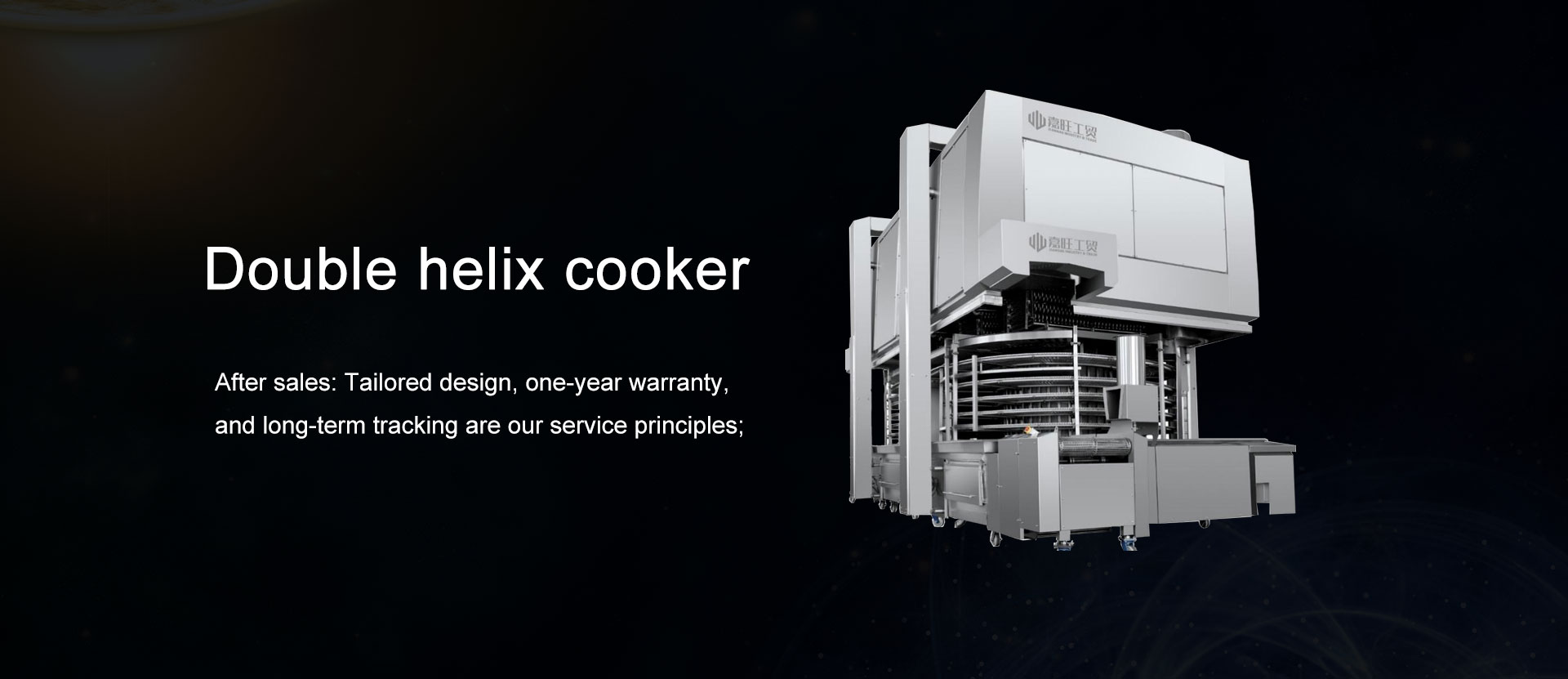
In some production environments, combining a fryer line with solutions such as a Continuous cooking machine can support broader thermal processing goals.
This is especially relevant when manufacturers want a more connected production line rather than isolated standalone equipment.
Which Businesses Benefit Most from a Continuous Oil Fryer?
A continuous oil fryer is usually most suitable for medium to large food manufacturers with repeatable products and regular demand across long production runs.
It is particularly valuable for producers of snacks, prepared foods, bakery-related fried items, or products requiring tight control over color and texture.
Companies planning export growth, private label production, or multi-shift operation often gain more value because consistency becomes commercially critical at scale.
Smaller businesses with highly variable products or short specialty runs may still prefer batch systems until their volume and standardization needs become more stable.
Questions to Ask Before Making the Upgrade
Before choosing a system, buyers should clarify product characteristics, target capacity, frying time, oil turnover expectations, cleaning requirements, and plant space limitations.
It is also worth asking how the fryer will connect with existing conveyors, filtration units, oil tanks, and other process equipment already used in the facility.
Suppliers that understand full-line coordination are often better positioned to recommend practical configurations, including options linked to a Continuous cooking machine when relevant.
A good purchase decision depends on matching the machine to real production conditions, not simply choosing the highest-capacity model on paper.
Conclusion
A continuous oil fryer makes sense when batch frying begins to limit capacity, consistency, labor efficiency, or long-term growth in industrial food production.
For information-focused buyers, the best way to evaluate the upgrade is to look at actual production pain points, oil management needs, and line integration goals.
When those factors point toward stable, high-volume, repeatable frying, a continuous oil fryer is often the more practical and profitable production solution.
Online Consultation