

Continuous Oil Fryer vs Batch Fryer: Which Delivers Better Throughput Control?
In real production planning, the question is rarely “Which fryer is better?” It is usually much narrower and more practical: which system gives you tighter throughput control without creating new bottlenecks elsewhere on the line? For project managers evaluating a continuous oil fryer against a batch fryer, that distinction matters. Throughput is not only about how much product moves per hour, but how predictably it moves, how easily operators can correct drift, and how well the fryer fits upstream and downstream equipment.
A batch fryer still makes sense in many operations. It offers flexibility for varied SKUs, recipe trials, or smaller production volumes where frequent changeovers are expected. If your plant handles short runs or specialty products, a batch setup can feel safer because the process is visible and adjustments are straightforward. You load, fry, unload, and inspect in cycles. That rhythm is simple to understand.
But throughput control in a batch environment is naturally uneven. Each cycle introduces micro-stoppages: loading delays, basket handling, oil recovery time, and operator-dependent timing. Even when average hourly output looks acceptable on paper, real output often fluctuates. That variability can ripple through proofing, coating, cooling, packaging, and labor scheduling.
Where a continuous oil fryer changes the equation
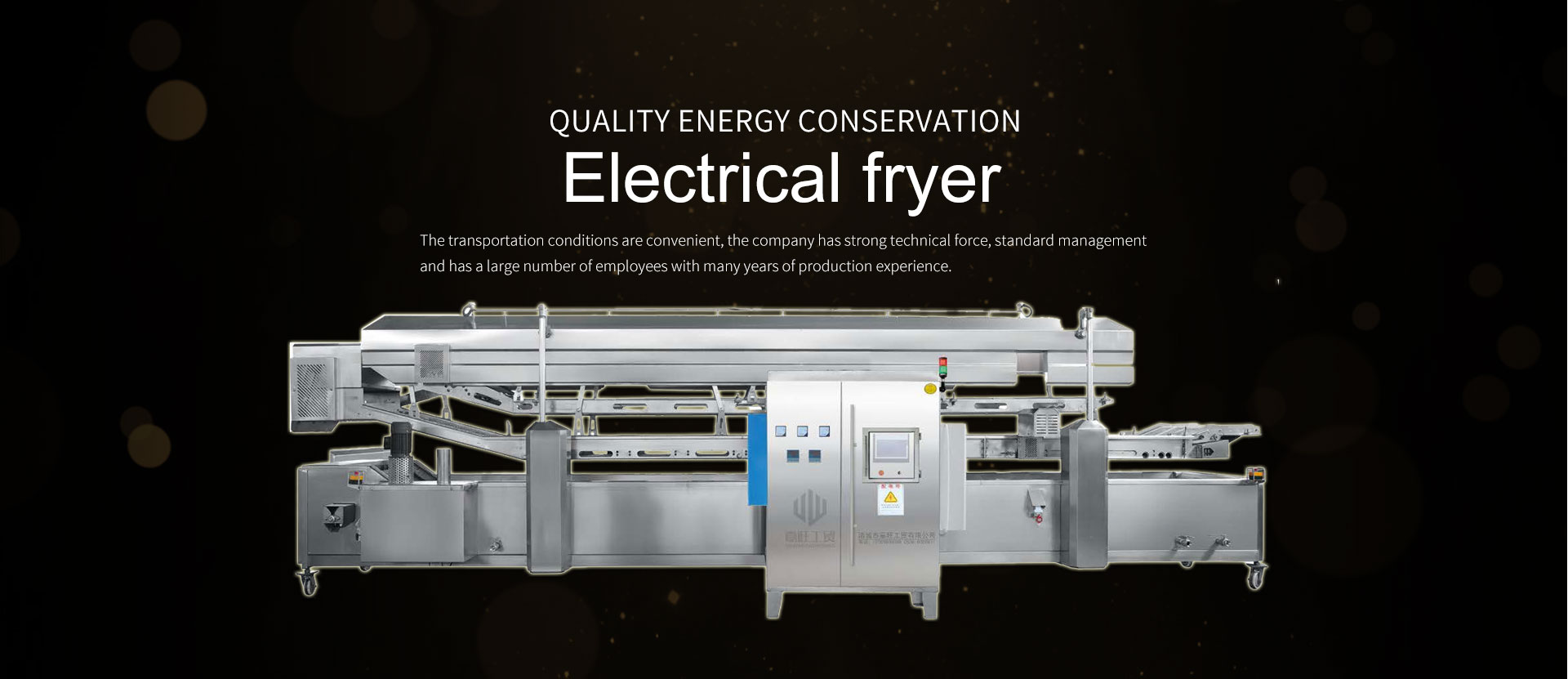
A continuous oil fryer is designed for flow rather than repetition. Product enters at a controlled feed rate, travels through a defined frying zone, and exits in a steady stream. For engineering teams, this means throughput becomes something you can tune more precisely through conveyor speed, dwell time, oil temperature stability, and feed consistency.
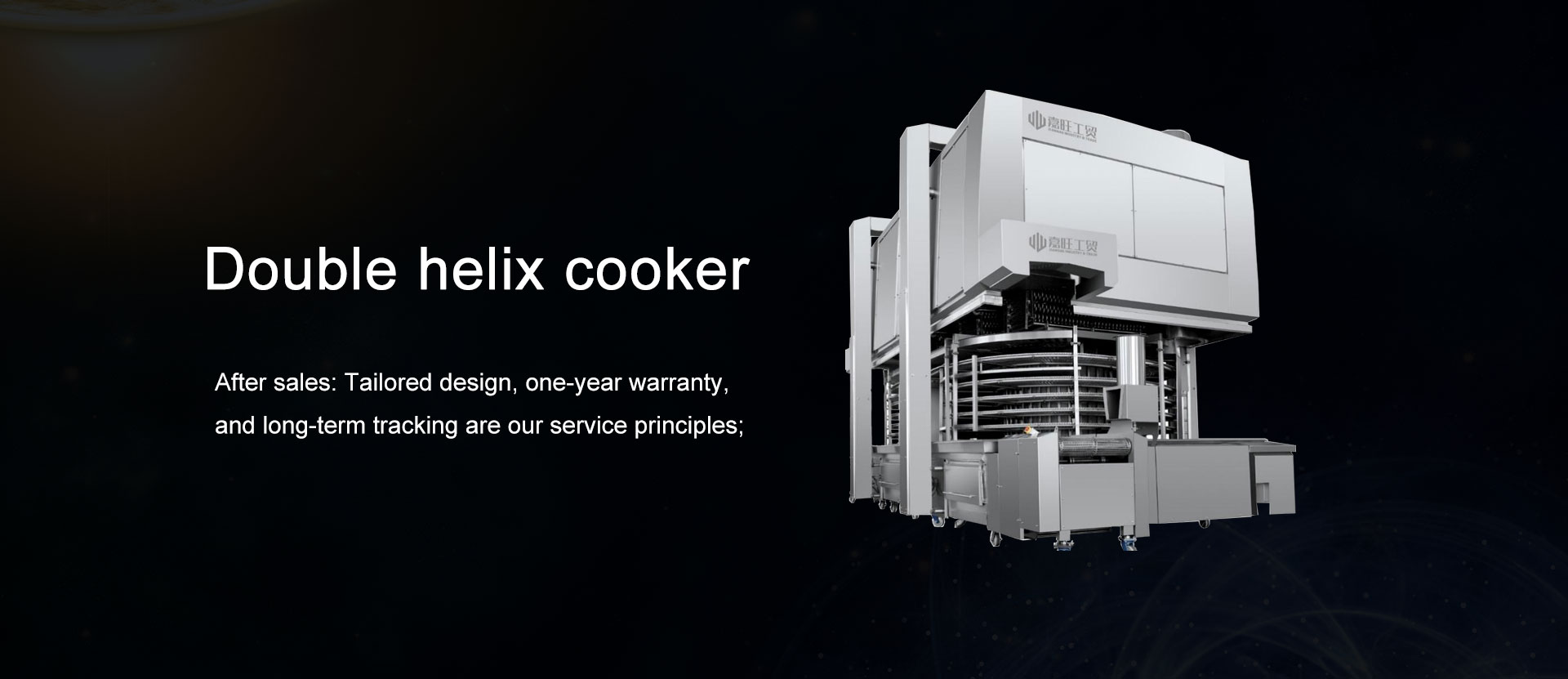
The biggest advantage is not just higher volume. It is smoother volume. When demand targets are tight, stable output is often more valuable than peak output. A continuous system reduces the stop-start pattern that makes planning difficult. It also helps align the fryer with connected equipment such as oil filters, oil tanks, steam tunnel machines, double helix cookers, or post-frying handling sections in a broader baking equipment line.
Throughput control depends on more than fryer type
Still, choosing continuous over batch is not automatic. A continuous fryer only performs as well as the line around it. If the infeed is inconsistent, if product size varies too much, or if upstream preparation is unstable, the expected control benefits shrink quickly. In coated applications, even something as basic as batter behavior can affect line stability; an uneven batter mix may lead to irregular pickup, floating behavior, or oil contamination patterns that complicate process control.
This is why project leaders should assess the fryer as part of a system, not as a standalone purchase. Ask whether the feeding method supports continuous loading. Review how crumbs, coating, or fines will be managed. Check whether your oil filtration and oil tank arrangement can maintain oil quality during long runs. A continuous fryer rewards process discipline; a batch fryer tolerates process variation a little more easily.
When batch fryers remain the better decision
If your operation prioritizes versatility over line balance, batch can still win. Plants producing multiple products with different fry times, shapes, or seasonal demand often prefer the lower commitment and simpler changeover logic of batch systems. For pilot production, local bakery expansion, or a site with limited utilities, batch frying may offer a lower-risk path.
There is also a human factor. Some teams are more comfortable managing product quality in visible batches, especially when recipes are still evolving. In those cases, control is achieved through close supervision rather than continuous automation.
How project managers should decide
For most medium- to large-scale operations with repeatable products, a continuous oil fryer delivers better throughput control because it creates a more stable production rhythm. That stability improves planning, reduces manual variation, and supports future scale-up. It is especially valuable when the fryer must integrate with other thermal or conveying equipment and when output consistency affects downstream packing efficiency.
Choose batch if your business model depends on flexibility, product diversity, or cautious capital phasing. Choose continuous if your main challenge is maintaining predictable output shift after shift.
The best decision usually comes from one final question: are you trying to fry product, or are you trying to build a controlled production system? If the second goal matters more, the continuous route often provides the stronger foundation.
Online Consultation